
Aggregates for Drainage: What you need to know
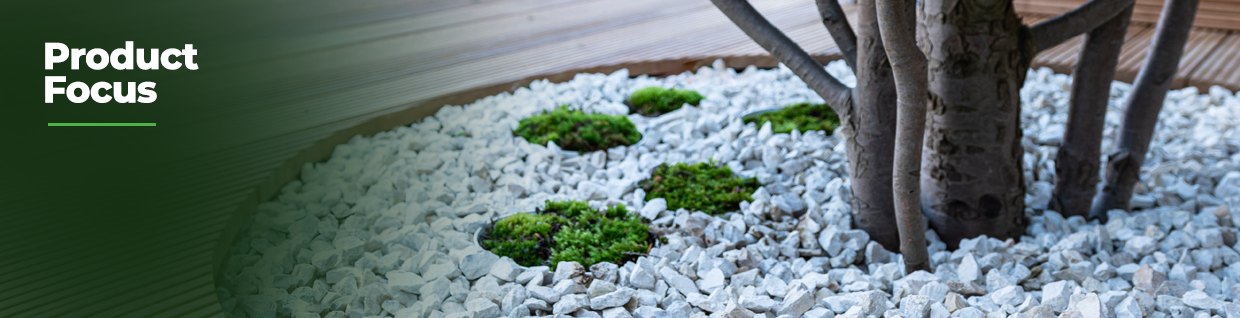
Good drainage is essential for keeping your outdoors functional, long-lasting, and free from standing water. Whether you’re installing a new driveway, improving garden drainage, or working on a construction project, choosing the right aggregate can make all the difference!
In this guide, we’ll break down what drainage aggregates are, how they work, and how to choose the best aggregate for drainage for your project.
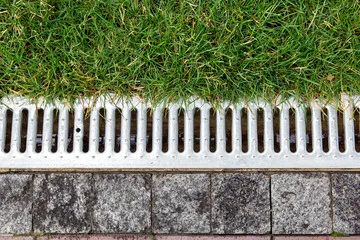
What are drainage aggregates?
Drainage aggregates are loose, granular materials designed to allow water to pass through them easily. Unlike compacted materials, these aggregates create small voids between stones, encouraging efficient water movement and reducing the risk of flooding or waterlogging.
Common uses for a drainage aggregate include:
- Garden borders and flower beds
- Driveways and pathways
- Soakaways and French drains
- Landscaping and groundwork projects
Using the right aggregate for drainage helps protect surfaces, foundations, and plants by preventing excess water from building up.
Why drainage matters in outdoor spaces
Poor drainage can lead to more than just puddles. Over time, excess water can damage paving, weaken foundations, and cause soil erosion. In gardens, it can also lead to unhealthy plants and compacted soil.
By selecting suitable drainage aggregates, you can:
- Improve water flow away from buildings
- Reduce maintenance issues
- Extend the lifespan of outdoor surfaces
- Create healthier growing conditions for plants
What is the best aggregate for drainage?
The best drainage aggregate is typically one that is angular, free-draining, and consistent in size. Angular stones lock together while still allowing water to flow through, making them ideal for long-term drainage solutions.
Popular choices include:
- Gravel – A versatile and widely used option for general drainage
- Crushed stone – Excellent for structural drainage applications
- Pea gravel – Decorative and functional, though slightly less free-draining
Ultimately, the best aggregate for drainage depends on where and how it’s being used, as well as whether aesthetics are important.
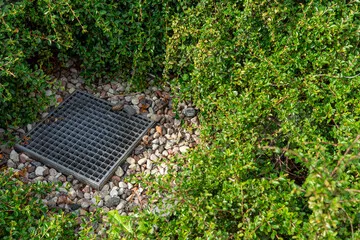
What size aggregate for drainage is best?
A common question is what size aggregate for drainage should you choose? Size plays a major role in how effectively water can pass through the material.
As a general rule:
- 10–20mm aggregates are ideal for most drainage applications
- Smaller stones may compact too tightly and restrict water flow
- Larger stones allow excellent drainage but may be less stable underfoot
For projects like French drains or soakaways, mid-sized aggregates tend to offer the best balance between stability and permeability.
Lightweight drainage aggregates explained
A lightweight drainage aggregate is often used where weight is a concern, such as green roofs, raised planters, or balcony gardens. These aggregates are designed to retain strength while reducing load.
Benefits of lightweight options include:
- Easier handling and installation
- Reduced pressure on structures
- Good water drainage combined with aeration
They’re especially useful in towns, or in elevated environments where traditional stone aggregates may be too heavy.
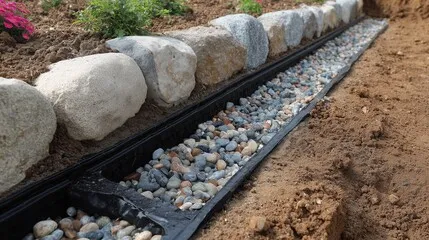
Can decorative aggregates help with garden drainage?
Many homeowners ask, can decorative aggregates help with garden drainage? The answer is yes - when chosen correctly.
Decorative aggregates such as gravel, chippings, or stones can improve garden drainage while also enhancing visual appeal. When used as a surface layer or incorporated into borders and pathways, they help water drain away from soil and reduce surface runoff.
However, it’s important to ensure decorative stones are:
- Free-draining
- Laid over a suitable sub-base
- The correct size for the intended use
This way, they provide both style and function without compromising drainage performance.
Choosing the right drainage aggregate
When selecting an aggregate for drainage, consider the following:
- Purpose – Structural drainage, garden use, or decorative finish
- Location – Ground level, raised areas, or load-bearing surfaces
- Appearance – Practical vs decorative needs
- Maintenance – Long-term durability and weed control
Different projects require different solutions, so taking the time to match the aggregate to your needs will save you problems later on.
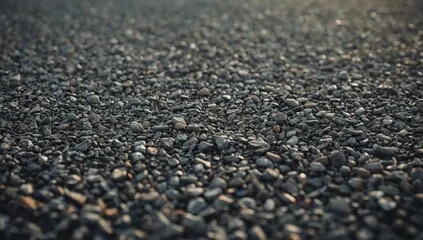
Understanding aggregates for drainage helps ensure your outdoor project stands the test of time. From choosing the right size to deciding between standard or lightweight options, the right drainage aggregate improves water flow, reduces damage, and supports healthier outdoor spaces.
If you have any more questions about aggregates for drainage, or you just need additional information about the products we sell at Howarth, please visit your local Howarth branch, or contact our customer services on 01472 907051.

Recent Posts
-

Composite decking vs wood decking: which is right for your garden?
Choosing between composite decking vs wood is one of the biggest decisions you’ll make when planning
-

How to Lay Vinyl Flooring
So, you've purchased a bunch of lovely vinyl flooring... Now what? Well, now it’s time to fit it! So

