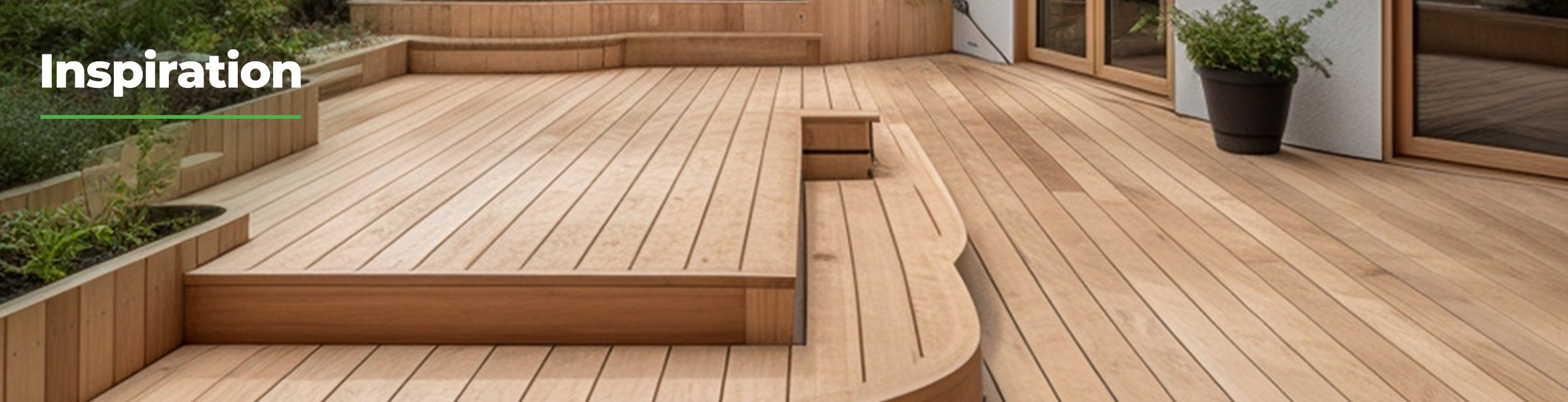
Composite decking vs wood decking: which is right for your garden?
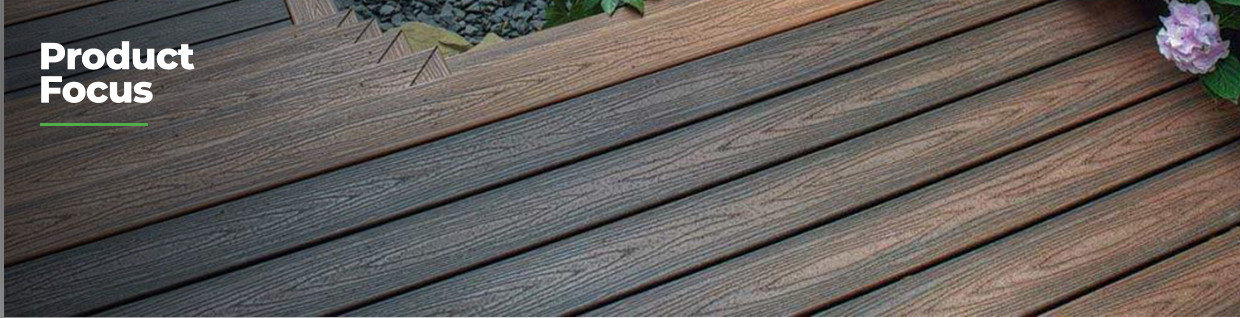
Choosing between composite decking vs wood is one of the biggest decisions you’ll make when planning a new outdoor space. Your deck isn’t just a platform - it’s where you’ll host BBQs, unwind after work, and make the most of the warmer days!
So, when it comes to composite decking vs wood decking, which truly offers the best value, durability and appearance? Let’s break it down.
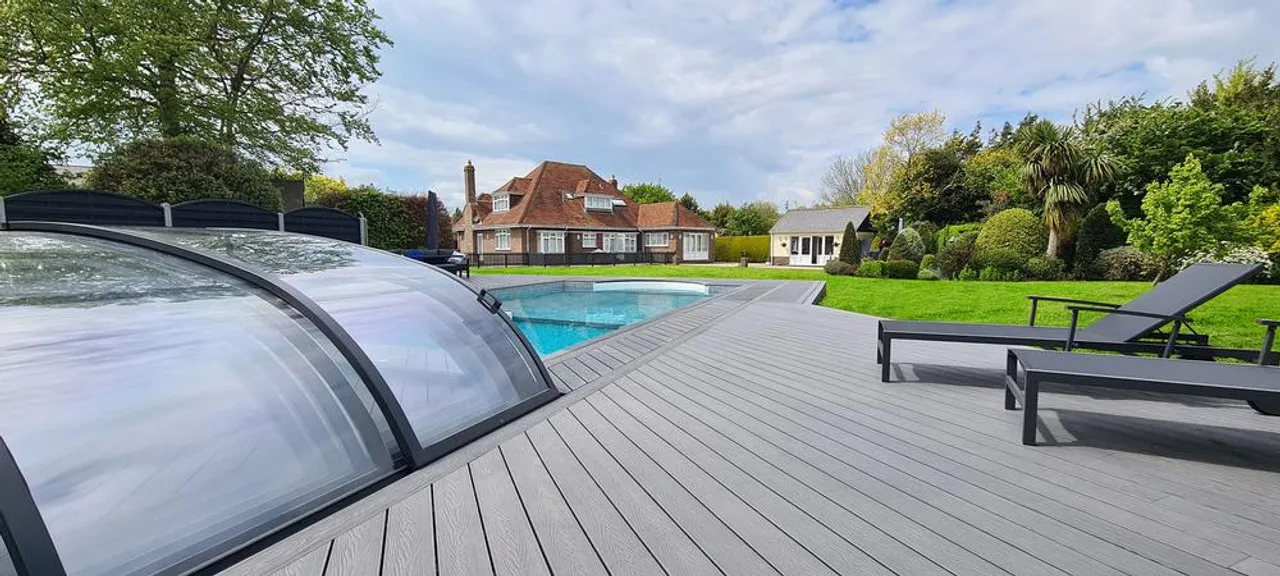
What is wood decking?
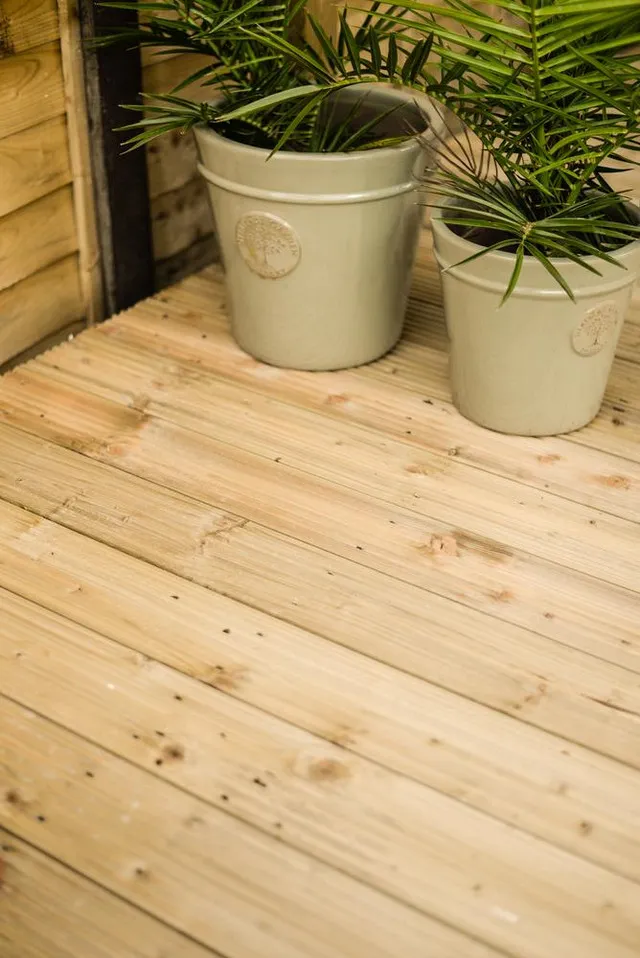
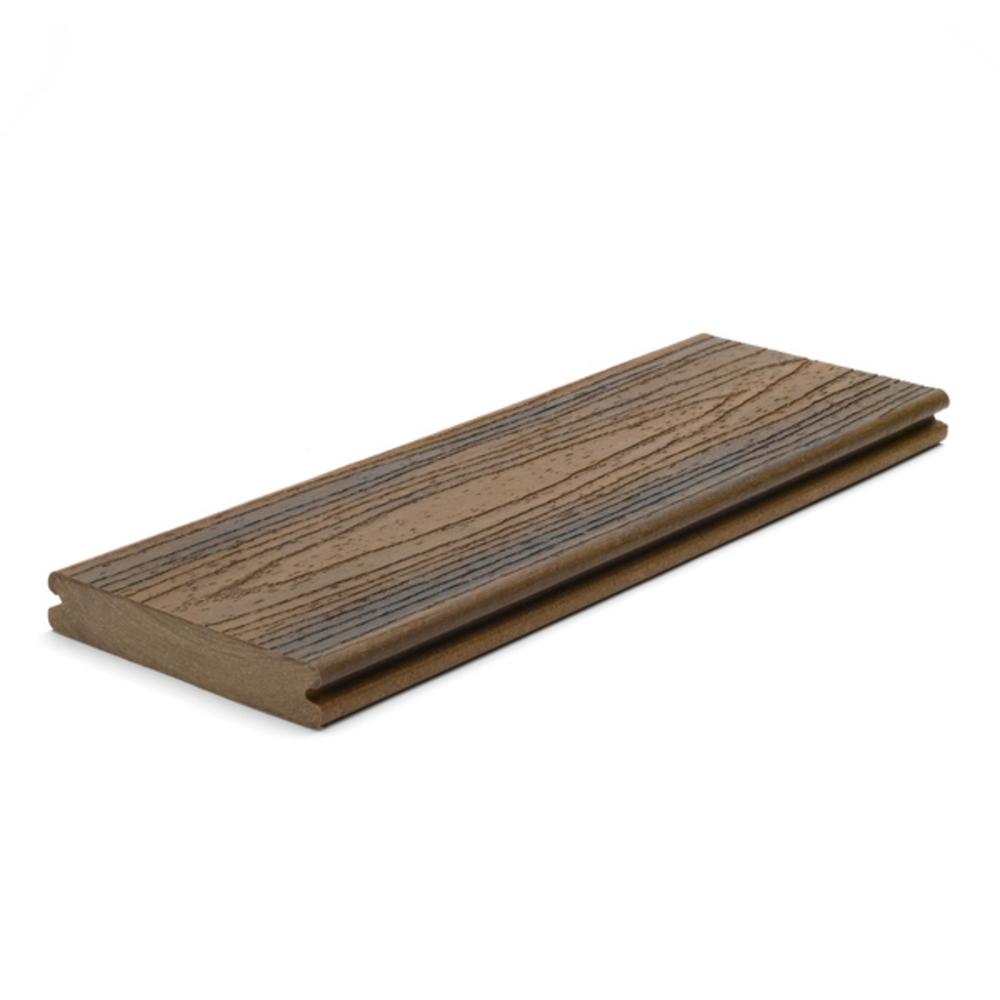
Traditional timber decking has been a garden favourite for decades. Typically made from softwoods like pine or hardwoods such as oak, wood decking has a natural, organic look that blends seamlessly with outdoor surroundings.
Pros of wood decking
- Authentic, natural appearance
- Often lower upfront cost
- Can be sanded, stained or painted
- Biodegradable and renewable (when responsibly sourced)
Cons of wood decking
- Requires regular maintenance (staining, sealing, oiling)
- Can warp, crack or splinter
- Susceptible to rot and insect damage
- May become slippery in wet conditions
When comparing a wood deck vs composite deck, maintenance is often the biggest deciding factor. Wood looks beautiful, but it demands time and care to stay that way.
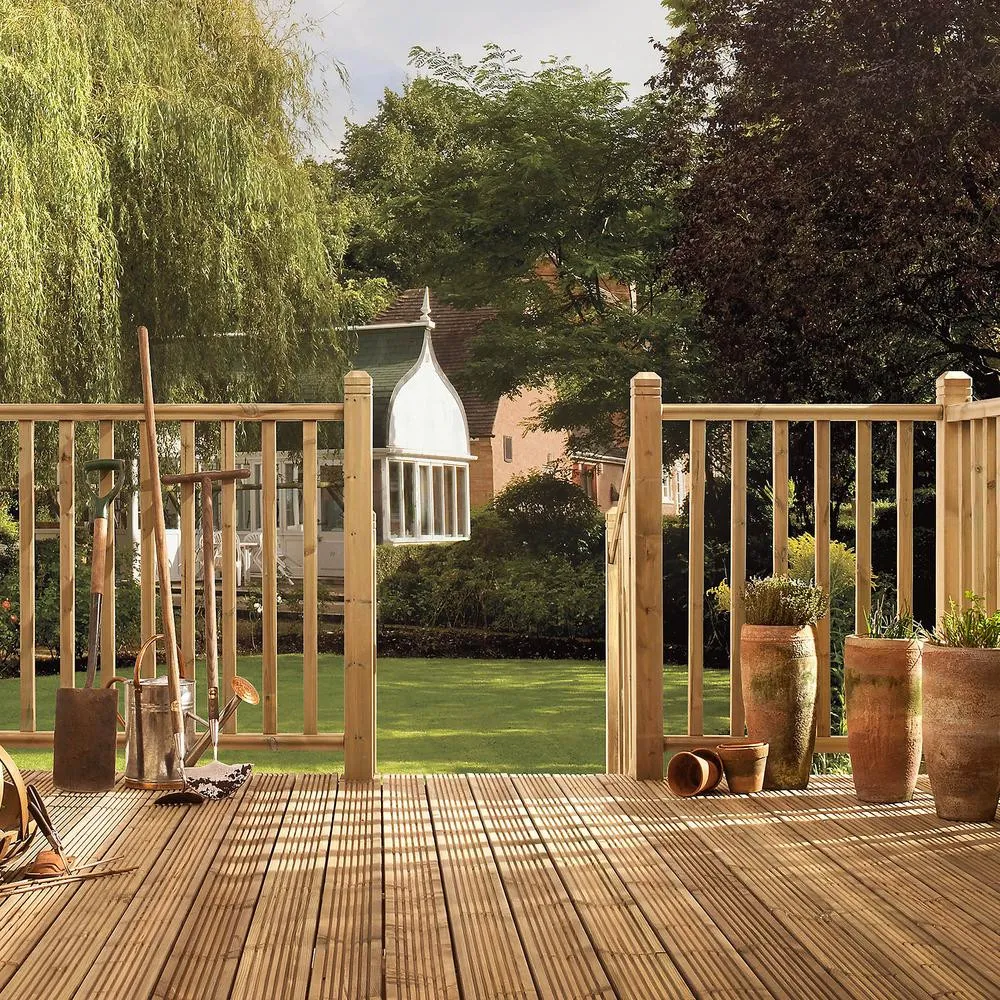
What is composite decking?
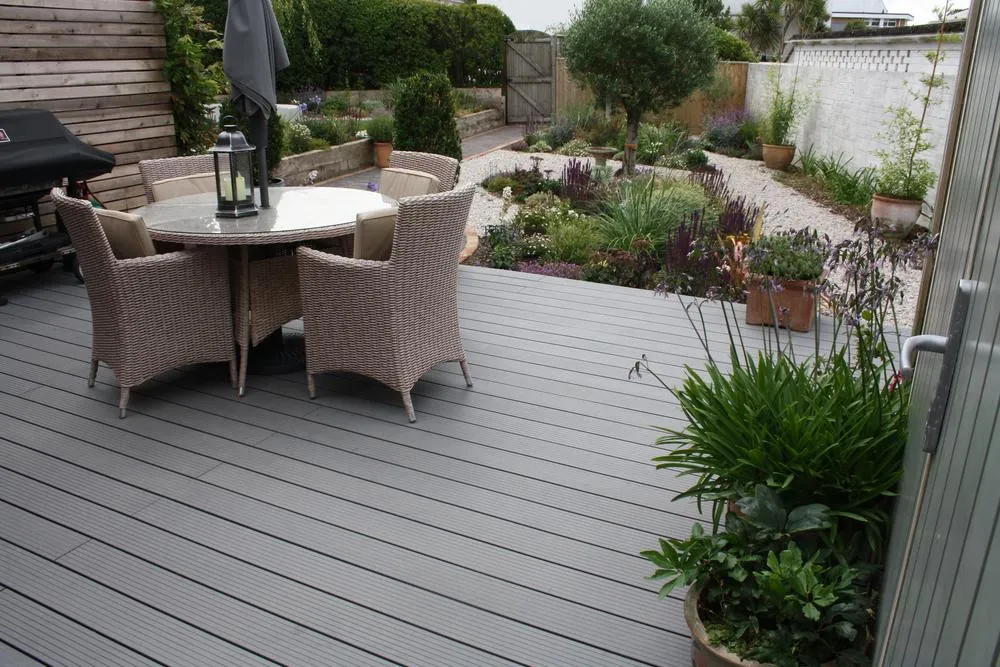
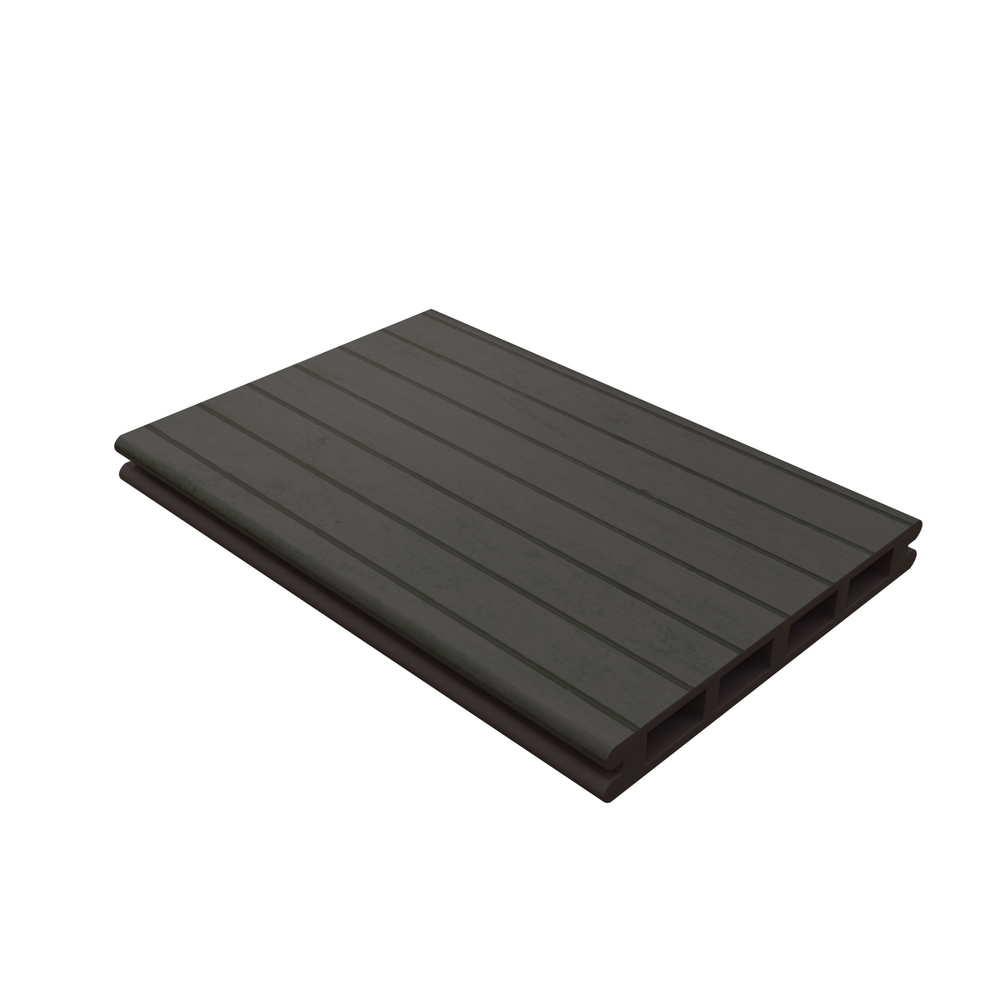
Composite decking is manufactured from a blend of recycled plastics and wood fibres. Designed to mimic the look of timber, composite decking boards are engineered for durability and low maintenance.
If you’ve been researching composite deck boards vs wood, you’ve likely seen how composite has grown in popularity due to its modern performance.
Pros of composite decking
- Low maintenance (no staining or sealing required)
- Resistant to rot, insects and fading
- Long lifespan
- Slip-resistant options available
- Consistent colour and finish
Cons of composite decking
- Higher upfront cost
- Can look less “authentic” than real wood
- May retain heat in direct sunlight
For many homeowners weighing up composite vs wood decking, people tend to choose composite decking purely because it’s easier to look after than wood.
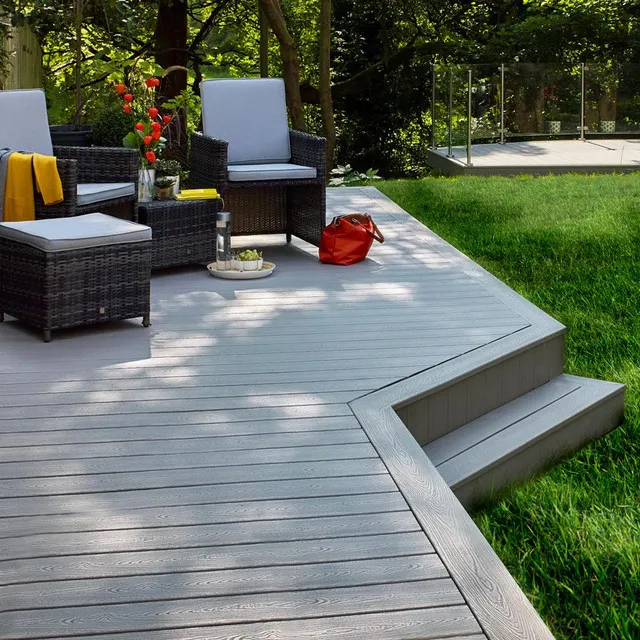
Composite decking vs wood: key comparisons
1. Maintenance
When it comes to composite vs wood deck care, composite wins for convenience.
Wood decking requires:
- Annual sealing or staining
- Regular cleaning to prevent algae build-up
- Occasional sanding
A composite deck, on the other hand, typically needs only a wash with soapy water to keep it looking fresh!
Winner: Composite
2. Lifespan
Wood decking can last 10–20 years with proper care. However, poor maintenance can significantly reduce that lifespan.
High-quality composite decking boards often come with warranties of 20–30 years, offering longer-term reassurance.
Winner: Composite (for longevity).
3. Aesthetic appeal
If your priority is a completely natural finish, wood may have the edge. No manufactured product can fully replicate the variation and texture of real timber.
However, the best composite wood decking options now feature realistic grain patterns and multi-tonal colouring, narrowing the visual gap considerably.
Winner: Personal preference
4. Cost over time
Upfront, timber is usually cheaper. But when comparing composite decking vs wood, it’s important to consider long-term costs:
- Wood: Lower initial spend, however ongoing maintenance products and labour
- Composite: Higher initial spend, however minimal maintenance costs
Over 15–20 years, composite often proves more cost-effective.
Winner: Composite (long-term value)
Accoya Timber
If you love the natural look of timber but want enhanced performance, Accoya offer a premium alternative.
Accoya is a modified wood that undergoes a specialised treatment process to improve durability, stability and resistance to rot. It delivers:
- Exceptional dimensional stability
- Reduced swelling and shrinkage
- Long lifespan (often 50+ years above ground)
- Sustainable sourcing credentials
In the debate of composite decking vs wood, Accoya bridges the gap. You get the authentic beauty of real timber with performance that rivals, and in some cases exceeds, composite.
For homeowners torn between a composite deck vs wood, Accoya can offer the best of both worlds: low maintenance without sacrificing a natural aesthetic.
Sustainability
Both materials can be environmentally responsible choices, depending on sourcing and manufacturing:
- Wood decking is renewable when FSC-certified.
- Composite decking boards often use recycled plastics and reclaimed wood fibres.
- Accoya products are sustainably sourced and modified using non-toxic processes, with impressive longevity that reduces replacement frequency.
If sustainability is high on your list, it’s worth looking closely at product certifications rather than just material type.
So, composite vs wood decking: which should you choose?
The right choice depends on your priorities:
Choose wood decking if you:
- Want a traditional, natural appearance
- Don’t mind regular maintenance
- Prefer lower upfront costs
Choose composite decking if you:
- Want minimal upkeep
- Prioritise durability and longevity
- Are happy to invest more initially
Consider Accoya if you:
- Love real wood
- Want enhanced durability
- Are looking for a premium, sustainable solution
Ultimately, the composite decking vs wood decking decision isn’t about which is universally better – it’s about what works best for your lifestyle, budget and design goals!
When comparing a wood deck vs composite deck, it’s clear both materials have evolved significantly. Composite continues to dominate for convenience and lifespan, while modern timber solutions like Accoya are redefining what wood can achieve outdoors.
Whichever you choose, investing in quality materials will ensure your outdoor space remains a place to relax, entertain and enjoy for years to come!
If you have any more questions about composite decking vs timber decking, or you just need additional information about the products we sell at Howarth, please visit your local Howarth branch, or contact our customer services on 01472 907051.
You may also be interested in...

Recent Posts
-
How to stop block paving sinking
If you’ve noticed dips, uneven surfaces, or pooling water, you’re not alone. Block paving sinking is
-

5 Decking Ideas for Small Gardens
If you’re looking for decking ideas for small gardens, there’s an array of ways to maximise your spa