How to choose the best aggregate
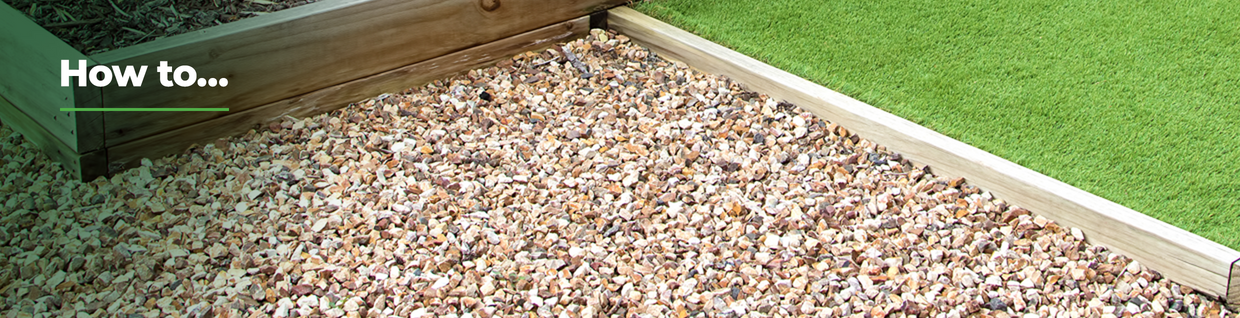
When looking to give your outdoor space a refresh, aggregates are a quick and easy way to do this. From looking for the best aggregate for driveways to those perfect for a garden path, aggregates are a long-lasting, visually appealing solution.
They are available in a multitude of different shades, shapes and textures, meaning that choosing the best aggregate for your project can make a world of a difference to the final result. In this blog, we will go through how to choose the best aggregate for your outdoor space.
What are decorative aggregates?
Decorative aggregates can come in many different forms but the main ones are gravel, chippings or natural stones, perfect for use in landscaping and garden projects. While aggregates can be used in building and construction work, decorative ones are chosen based on their visual appearance.
They can be used for:
- Driveways
- Drainage solutions
- Garden paths and walkways
- Flower beds and borders
- To reduce weed growth
- To create concrete mixes
They are such a popular choice in landscaping projects as they are a durable and cheap alternative to paving or turf. When using aggregates, be mindful that due to them being a natural material, variation in colour, texture and natural markings is to be expected. Their appearance will also change slightly when wet.
Best aggregates for concrete
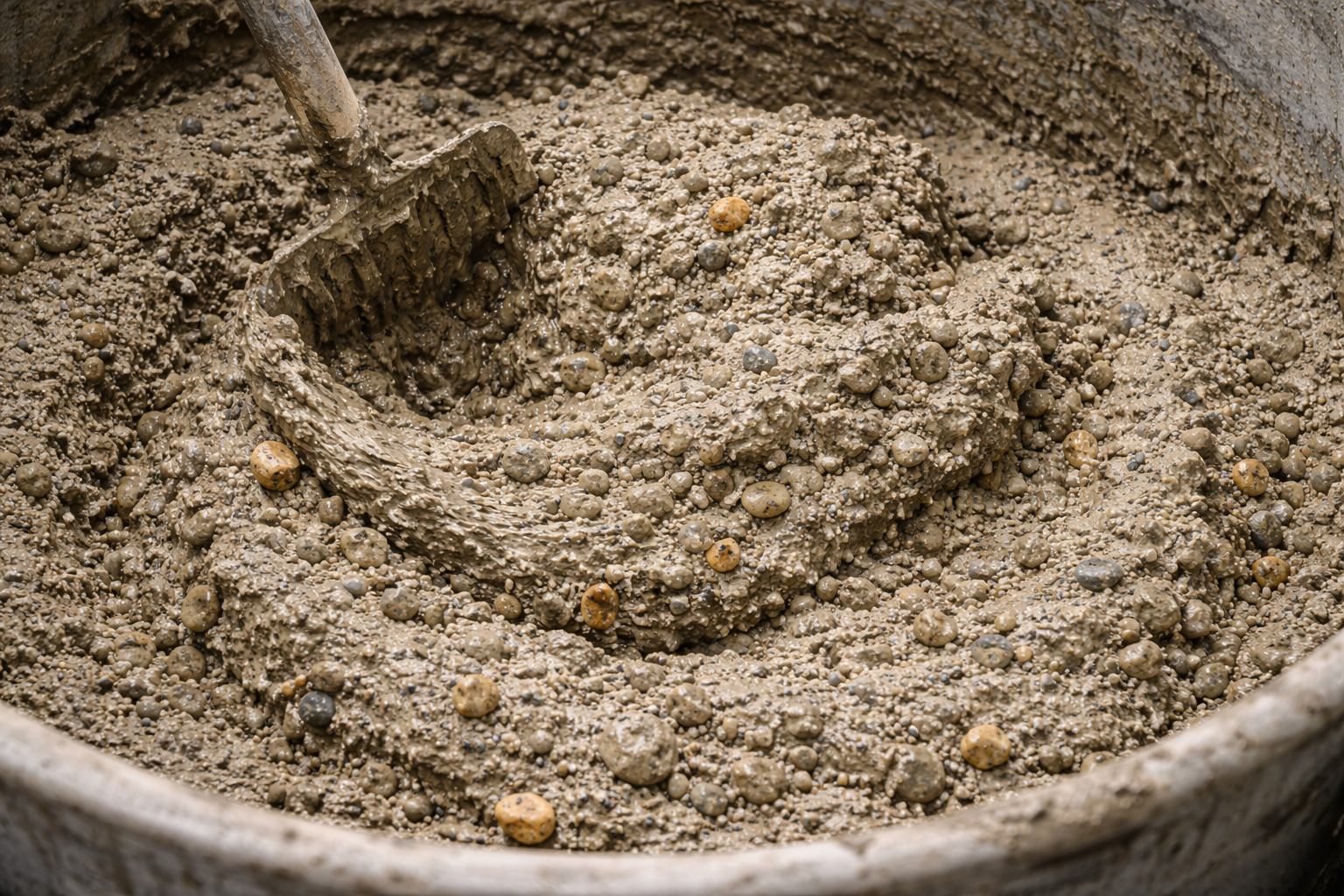
In addition to being used to make beautiful additions to your garden, aggregates can also be used in concrete mixes.
- Gravel is a durable material and adds strength, making it a mix that is easy to work with. It is typically used for foundations and driveways
- Crushed stone such as limestone makes a mix perfect for high load bearing and is often used in structural and reinforced concrete
- Ballast, a blend of gravel and sand, is perfect for those doing DIY as it is easy to apply and can also be used for shed bases and fence posts.
Choosing decorative aggregates based on project
Different areas of landscaping work require different types of aggregate for best results.
What is the best aggregate for a driveway?
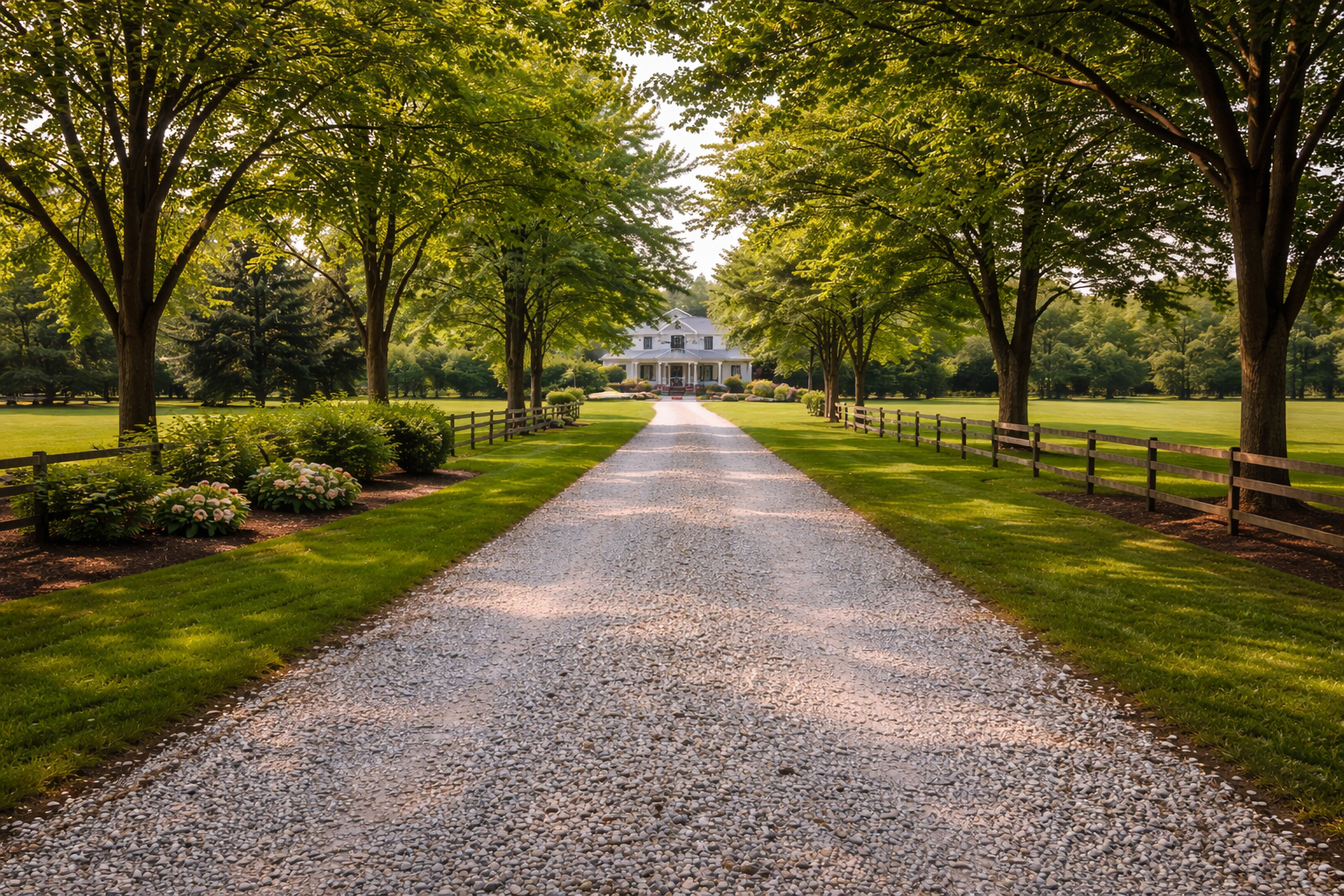
Medium sized (14-20mm) gravel options are best used for driveways as they provide stability.
Popular options:
- Golden Gravel
- Polar Ice Gravel
- Granite Chippings
Benefits:
- Your project will be long-lasting
- Size of the gravel means the likelihood of surface water is reduced
- Creates a clean finish for your driveway
What is the best aggregate for a garden path?
Smaller gravel options (10-14mm) work better for paths.
Popular options:
Benefits:
- Provides a comfortable path to walk on
- Paths look like a defined feature of your garden
- Creates contrast from the rest of your garden
What is the best aggregate for borders and flower beds?
Decorative aggregates can also be great as a simpler ground cover.
Popular options:
- Plum Slate
- Polar Ice
- Golden Gravel
Benefits:
- Moisture of the soil can be retained
- Prevents weed growth
- Adds contrast around planting areas
How to install decorative aggregates
Making sure that you properly prepare and complete your project means that you will have a durable and low maintenance addition to your garden.
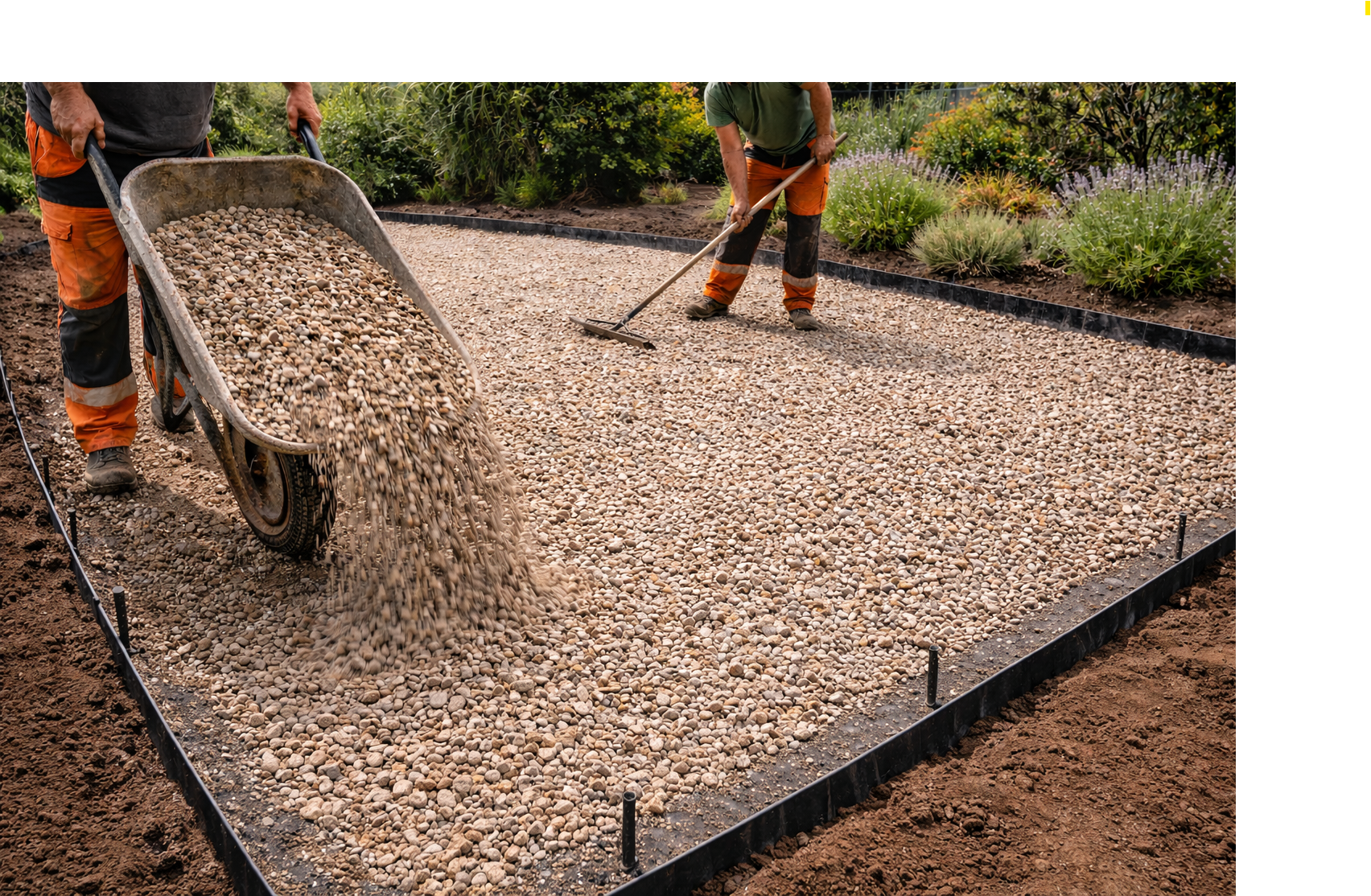
- Make sure the ground is prepared properly and the area is excavated. Around 100mm depth is recommended for paths and around 150mm for gravel driveways.
- If you are looking to reduce weed growth, make sure a geotextile membrane is installed over the excavated area. This also helps to improve drainage and reduce surface water.
- If completing a driveway, make sure to install an MOT Type-1 sub-base. This ensures that the driveway is laid upon a strong foundation and improves the durability. This is important due to the driveway needing to be able to withstand the weight of vehicles.
- Using materials such as timber sleepers or bricks as edging can help create a polished finish and prevent the aggregate spilling over into the rest of the garden.
Maintenance Tips
- Make sure the gravel is raked on a regular basis to maintain a level surface
- Remove any fallen leaves or unwanted debris with a leaf blower to ensure no aggregate is displaced
- To prevent weeds in the area, use a pre-emergent herbicide or spot treatments if needed
- If areas become a little sparce, top up with more gravel
Selecting the right decorative aggregate for your project all depends on the correct colours, type and size. Whether it’s a path, driveway or border, choosing the right product can be the difference between a long-lasting, beautiful addition to your home and a time-consuming headache.
Good preparation and installation helps to ensure that your decorative aggregates provide a beautiful, low-maintenance landscaping solution for your garden.
If you have any more questions about decorative aggregates, or you just need additional information about the products we sell at Howarth, please visit your local Howarth branch, or contact our customer services on 01472 907051.
Recent Posts
-
How to stop block paving sinking
If you’ve noticed dips, uneven surfaces, or pooling water, you’re not alone. Block paving sinking is
-

5 Decking Ideas for Small Gardens
If you’re looking for decking ideas for small gardens, there’s an array of ways to maximise your spa