
How to insulate a garage
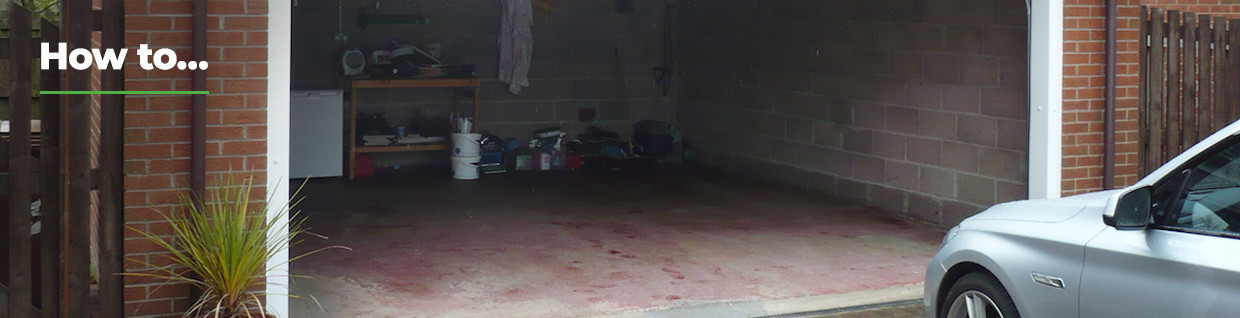
Whether you’re looking to expand the amount of living space you have, or you need a dedicated home office, insulation is key to making your garage comfortable all year round.
Many homeowners choose to improve their current property rather than move on. With increasing house prices, there’s never been a better time to start working on your own home, for example by refurbishing or converting your garage, than right now.
The first steps
Before insulating your garage, make sure it’s fully prepared. Clear the space, ensure easy access to walls, floors, ceilings and doors, and check for damp or other issues that need fixing first.
Next, check windows and doors for draughts, as poorly fitted openings can let heat escape. You may need insulated doors or double glazing, especially if the garage will be used as a living or working space. It’s also important to inspect the roof, particularly flat roofs, which are more prone to leaks. While this prep can feel time-consuming, it can save money and hassle later.
Finally, familiarise yourself with UK building regulations, as major refurbishments often require improved insulation standards. Always check national and local requirements before starting work.

How to insulate garage walls
Most UK garages have single-skin breeze block walls, which offer several insulation options. If the walls are in poor condition, they can be taken down, insulated, and rebuilt, but this is costly and disruptive, so it should only be done if absolutely necessary.
Internal wall insulation
The most tried and tested method is to construct a timber frame against the inside of the walls and install insulation slabs in between the sections of the timber frame.
External wall insulation
If your property features a detached garage, it may be wiser to opt for external wall insulation. This will involve fitting insulation boards and suitable render systems to the external walls. It may seem strange increasing the thickness of the outside of your garage, but the internal space savings could be well worth it.
How to insulate a garage roof
The best garage roof insulation depends on whether your roof is pitched or flat. Pitched roofs can be insulated in a similar way to loft insulation. For flat roofs, you can choose between a warm or cold roof.
A warm roof places insulation above the roof deck and is usually recommended, as it retains ceiling height, keeps the roof deck warm, and reduces condensation risk. A cold roof has insulation below the roof deck, leaving the space above colder. If choosing a cold roof, fix 50x50mm battens to the rafters to maintain a 50mm ventilation gap.
How to insulate a garage floor
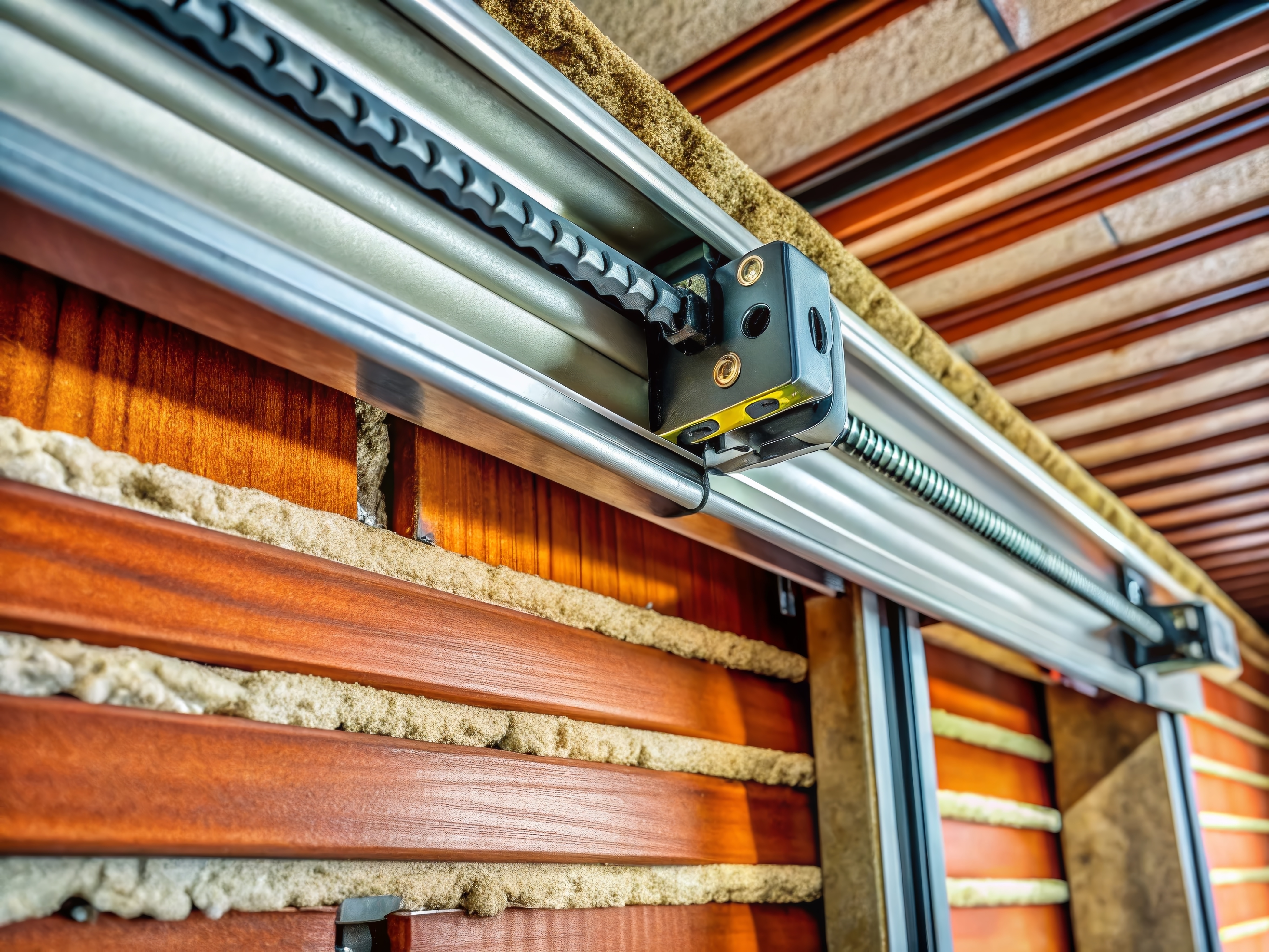
Uninsulated garage floors can become very cold, so underfloor insulation is essential if the space will be used in winter. Insulation boards are an effective option, providing strong thermal performance without taking up much space.
If you plan to keep the concrete slab, install a damp-proof membrane before insulating. You may also choose to insulate the garage door; while optional, it can significantly improve overall heat retention.
Whatever your plans are, making the right choice is vital. If you’re still unsure then get in touch with our customer service team on 01472 907051, or visit your local, friendly Howarth branch. They’ll be able to talk you through the pros and cons of each option and advise you which insulation is best for your needs.
Recent Posts
-
Different Species of Timber used for Fences
Choosing the right fencing timber is one of the most important decisions you’ll make when planning a
-

Is LVT Flooring better than Laminate Flooring?
When it comes to choosing new flooring for your home, two popular options often come up: laminate fl
