
How to lay block paving
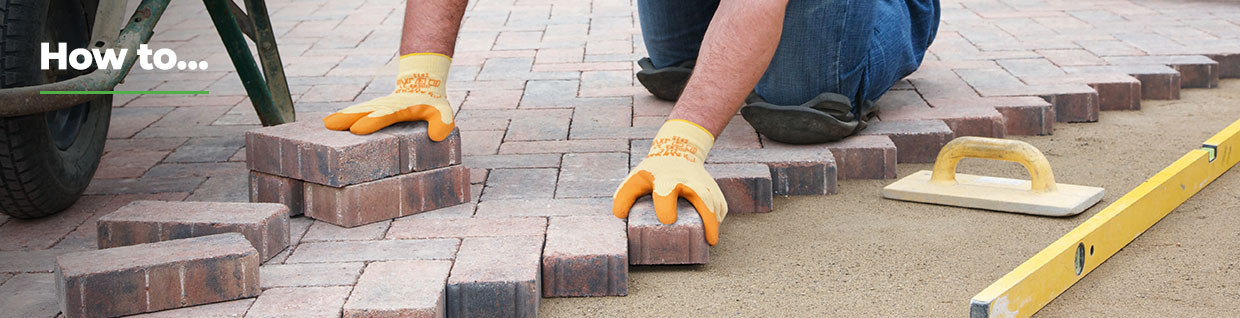
For an outside location, block paving is a fantastic choice. It has a highly fashionable appearance while also being quite useful and long-lasting. However, to reap the benefits of block paving, it must be installed correctly. So, if you're wondering how to construct a block paving walkway, patio, or driveway, this article will lead you through the simple procedure, from obtaining the essential supplies to tips and tricks to guarantee your project lasts a long time.
Getting Started
In terms of what you’ll need, there are two main things to think about – tools and materials. For the tools, you’ll need:
- A broom and rake
- String line and some pegs
- Screed rails
- A shovel or spade
- A wheelbarrow
- A mallet
- A spirit level and tape measure
Many of these tools are likely already in your garage, shed, or house. A cement mixer, a compacting tool, and either a stone saw, or a block splitter are also required. You may rent them from any reputable hire shop in your area.
As for the materials, you’ll need:
- Sub-base aggregate
- Sand
- Block paving stones
Always make sure to plan when buying your materials. Don’t start work until you have everything you need for building a new driveway.
Choosing your design patterns
Once you’ve chosen your materials, plan your block paving design. Experiment with different brick colours and try to complement your home or existing stone.
Here are some laying pattern examples offered by Marshall’s:
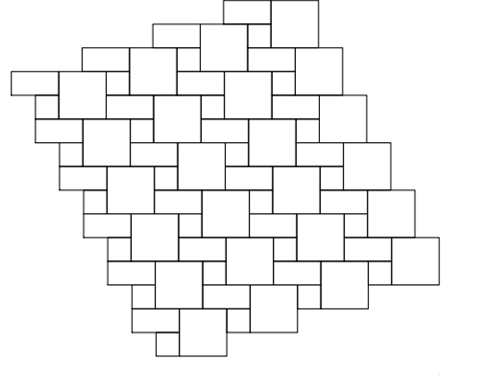
3 Size Project Pack
Applicable sizes: 300x300, 300x600, 600x600
Style: Project Pack
Use with: Natural Slate
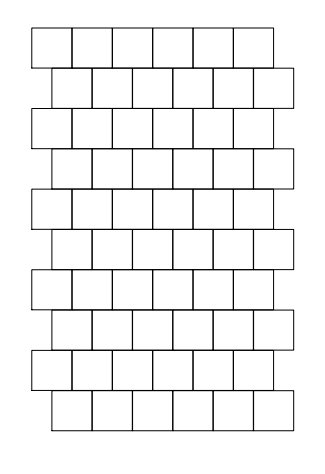
400x400
Applicable sizes: 400x400
Style: Random Pattern
Use with: Argent Coarse Paving
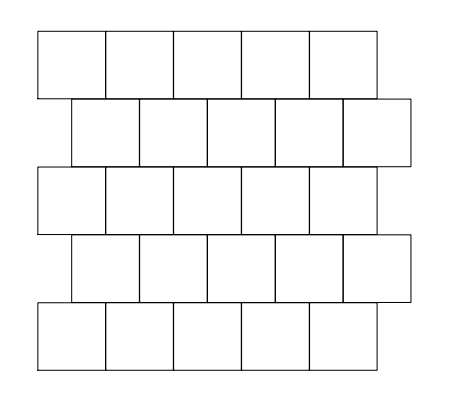
600x600
Applicable sizes: 600x600
Style: Repeatable Pattern
Use with: Argent Coarse Paving

Indian Sandstone
Applicable sizes: 285 x 285, 570 x 285,
570 x 570, 855 x 570
Style: Project Pack
Use with: Indian Sandstone

Natural Slate
Applicable Sizes: 305 x 305, 305 x 610, 610 x 610
Style: Project Pack
Use with: Natural Slate
How to lay block paving
Step 1 - Dig out the area
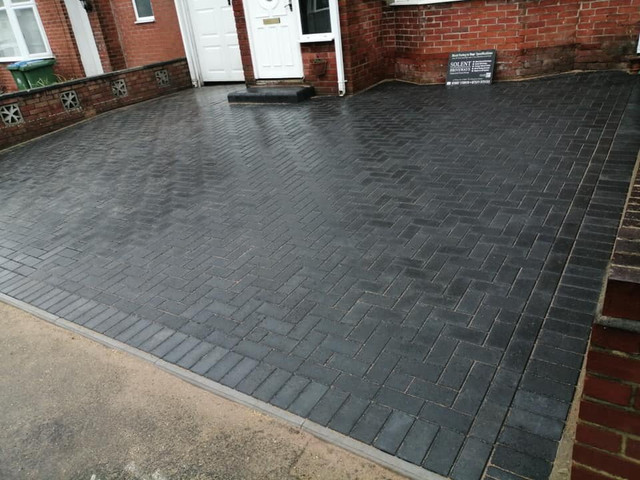
Excavate the area at least 150mm below your home’s damp-proof course or adjacent pavement, adjusting depth as needed for slopes. Use a spade or shovel, and if the ground is flat, create a gentle slope to allow surface water to drain.
Step 2 - Edge restraints
Installing edge restraints correctly is crucial and should be done before laying block paving. Use a concrete mix of 1 part cement to 6 parts ballast for 100mm-thick foundations. Position a string line at your paving height, place the edging stones 25mm below it, and lightly tap them with a mallet. Haunch the edges by adding concrete to the outside, reaching halfway up the blocks, and use a spirit level to ensure they’re even.
Step 3 - Subbase
Lay a 100mm+ subbase to support foot or vehicle traffic. Apply 75mm, compact it, then add another 75mm using MOT Type 1 hardcore (stones up to 40mm).
Step 4 - Add sand
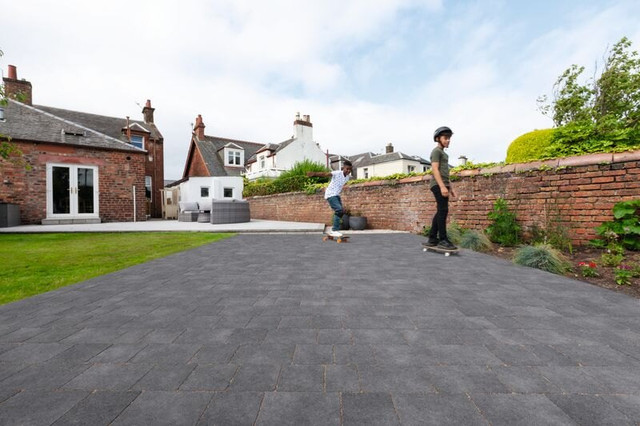
After the subbase, add a 50mm layer of damp sharp sand to bridge the gap to the paving. Shape it to match slopes and angles, testing moisture by forming a sand ball. Use screeding laths and a string line (3–5mm proud) to level the sand, then remove the laths and fill any gaps, screeding to the correct height.
Step 5 - Lay the pavers
Start laying pavers from a corner at the base of the slope, or along a straight edge or border. Place each block against the previous one, sinking it slightly into the sand. Leave blocks 10–15mm above the final level, ready for compaction once the course is complete.
Step 6 - Fill the seams
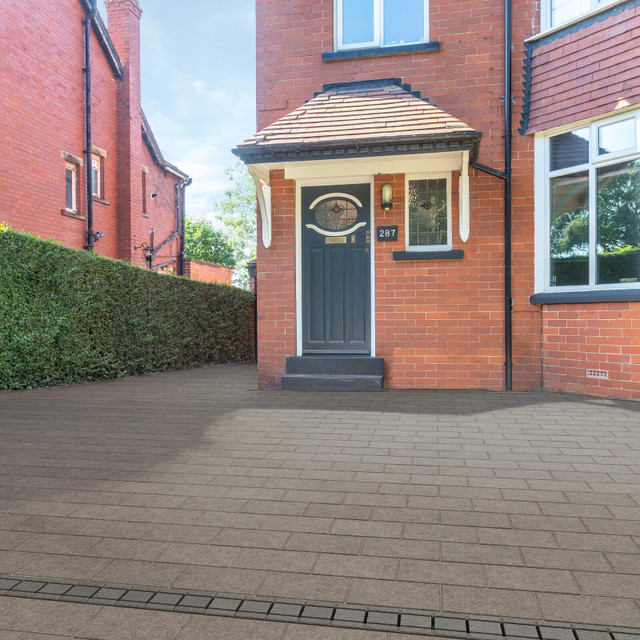
When you've finished laying your block paving, it's time to do the finishing touches. Brush the kiln-dried sand across the pavement with your broom, making sure that lots of it gets into the joints. Compact the pavement, then add more sand; and continue until all seams are filled.
How to clean block paving
What you’ll need:
- Washing-up liquid
- Warm water
- Bucket
- Hard-bristled brush
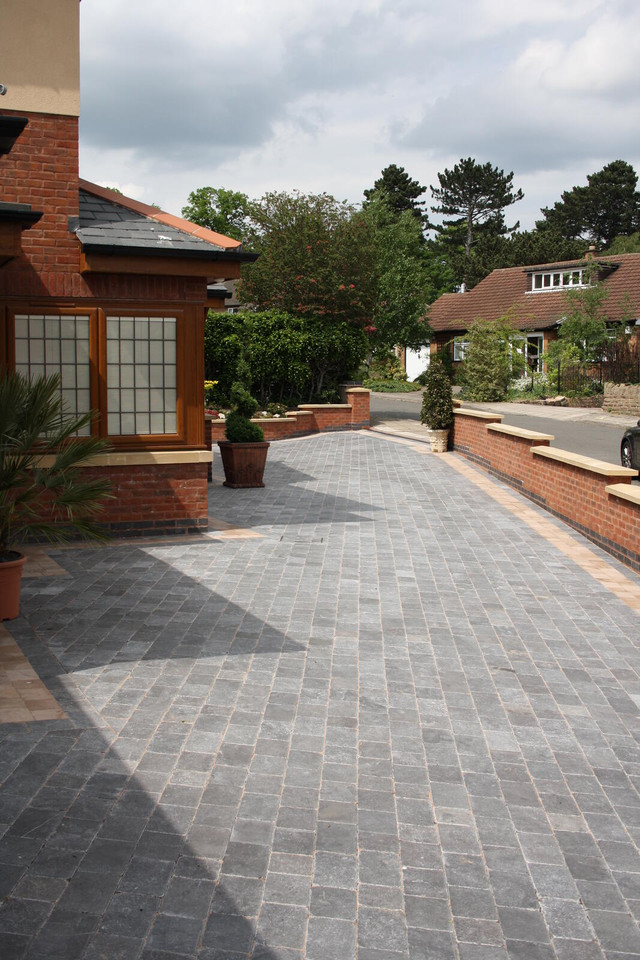
How to clean block paving with washing-up liquid:
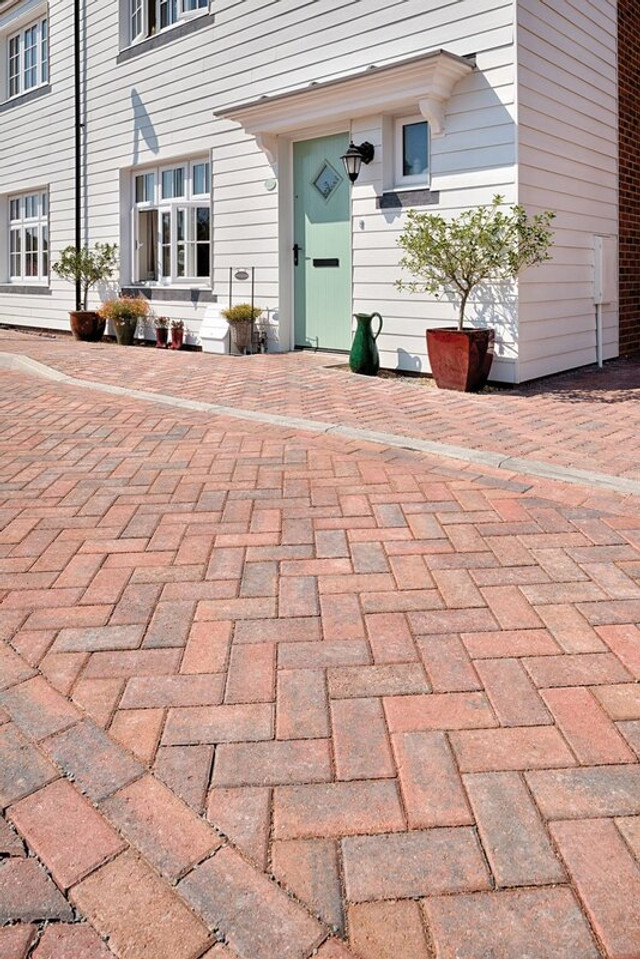
Mix a little washing-up liquid with warm water in a bucket. Working from the corners, pour and scrub in batches until the paving is clean. Drain dirty water and refill with fresh water as needed. For a deeper clean, use safe alternatives—avoid acid-based cleaners, which can damage the stones over time.
TOP TIP: Scrub diagonally to be softer on the jointing compound and to remove less kiln-dried sand during cleaning. If any sand comes free, you'll have to re-fill the spaces.
Overall, block paving can be an incredible investment for your home when installed properly. And we hope this guide has been able to help you on your journey of completing that perfect patio in your garden!
If you have any more questions about how to lay block paving, or would just like to discuss your options, you can contact our customer services on the number 01472 90705.
Recent Posts
-
Different Species of Timber used for Fences
Choosing the right fencing timber is one of the most important decisions you’ll make when planning a
-

Is LVT Flooring better than Laminate Flooring?
When it comes to choosing new flooring for your home, two popular options often come up: laminate fl
