Different Species of Timber used for Fences

Choosing the right fencing timber is one of the most important decisions you’ll make when planning a new fence. The type of wood you select affects not only how your fence looks, but also how long it lasts, how much maintenance it needs, and how well it stands up to the UK’s changing weather.
From classic softwoods to more durable hardwoods, this guide explores the most common species of fence timber used in the UK, helping you make an informed, long-lasting choice for your garden.
Why timber choice matters for fencing
Timber fencing remains one of the most popular boundary solutions thanks to its natural appearance, versatility, and cost-effectiveness. However, not all timber and fencing products are made equally.
Different species vary in strength, resistance to moisture, and suitability for treatments such as pressure treatment.
When paired with quality timber fencing supplies and correctly installed timber fence posts, the right wood species can significantly extend the life span of your fence.
Softwood species commonly used for fence timber
Softwoods are the most widely used option for fencing in the UK. They’re affordable, readily available, and respond well to pressure treatment, making them ideal for outdoor use.
Pine
Pine is one of the most popular choices for fence timber and is commonly used for fence panels and posts. Naturally pale in colour, it takes preservatives well and is often used in pressure treated fence panels to improve resistance against rot, fungi, and insects.
Pressure treated wood fence panels made from pine offer a good balance between durability and value, making them suitable for most residential gardens.
Spruce
Spruce is another frequently used softwood in timber fencing. Lightweight and easy to work with, it’s commonly found in decorative panels and lighter fence designs. While spruce isn’t naturally durable, treatment is essential.
When used in a pressure treated fence panel, spruce can perform well in sheltered environments and is often chosen for its clean, uniform appearance.
Fir
Fir, particularly Douglas fir, is stronger than many other softwoods and has a more pronounced grain. It’s often used where a sturdier timber fence is required, especially for rails and structural components.
Fir benefits greatly from pressure treatment and is sometimes used alongside pressure treated fence posts to create a more robust fencing system.
Hardwood options for timber fencing
Hardwoods are less commonly used for standard garden fencing due to cost, but they offer superior strength and natural durability.
Oak
Oak is one of the most durable timber species available and has been used for fencing for centuries. Its high tannin content provides natural resistance to rot and insect damage, often reducing the need for chemical treatment.
Oak timber fencing is typically used for rural, agricultural, or heritage-style fences rather than standard panel fencing. While oak doesn’t usually feature in pressure treated fence panels, it’s valued for longevity and character.
Chestnut
Sweet chestnut is another naturally durable hardwood often used for traditional fencing styles such as post-and-rail or cleft fencing. Its resistance to moisture makes it suitable for exposed locations.
Chestnut is a popular choice where sustainability and natural performance are prioritised!
What does pressure treated timber mean for fencing?
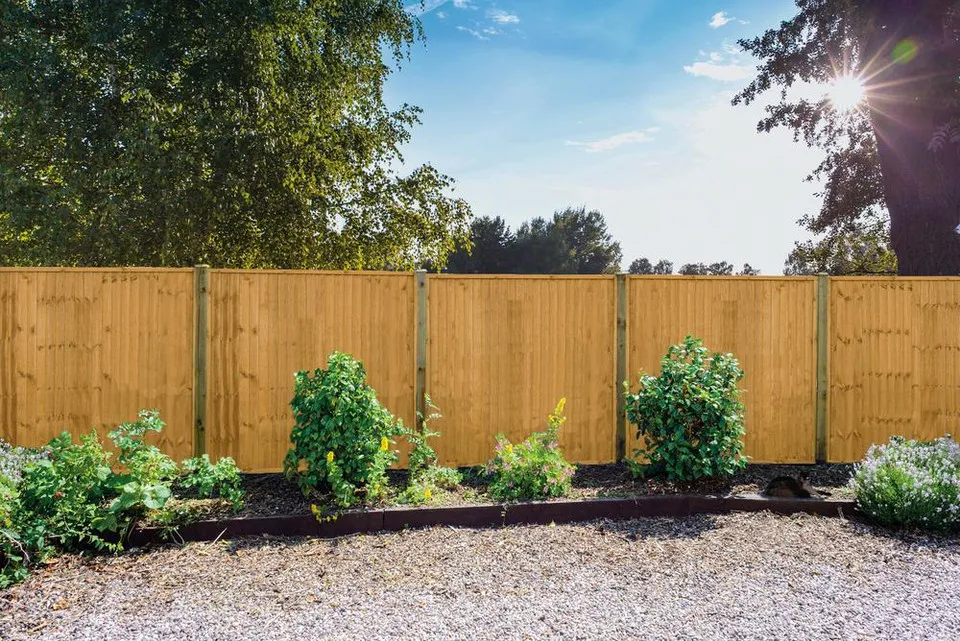
Most modern timber fencing relies on pressure treatment to ensure long-term performance. This process forces preservative deep into the wood fibres, protecting against rot, fungal decay, and insect attack.
Pressure treated fence panels and pressure treated fence posts are designed to withstand constant exposure to moisture and ground contact. This makes them ideal for UK gardens, where rainfall and fluctuating temperatures can quickly degrade untreated wood.
Choosing the right timber fence posts
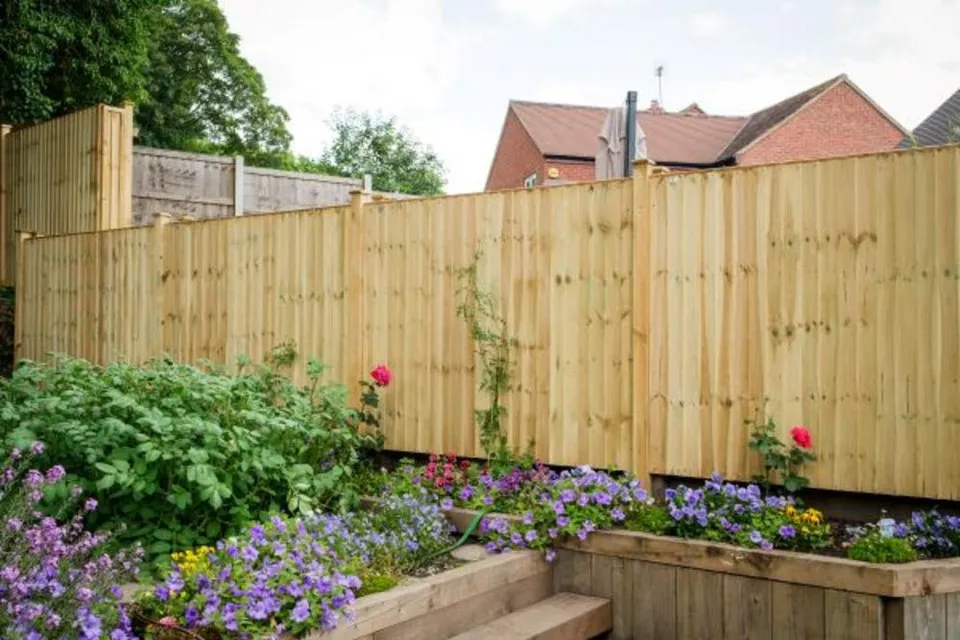
Fence posts are the backbone of any fencing system. Even the best panels will fail prematurely if the posts aren’t strong enough or suitably treated.
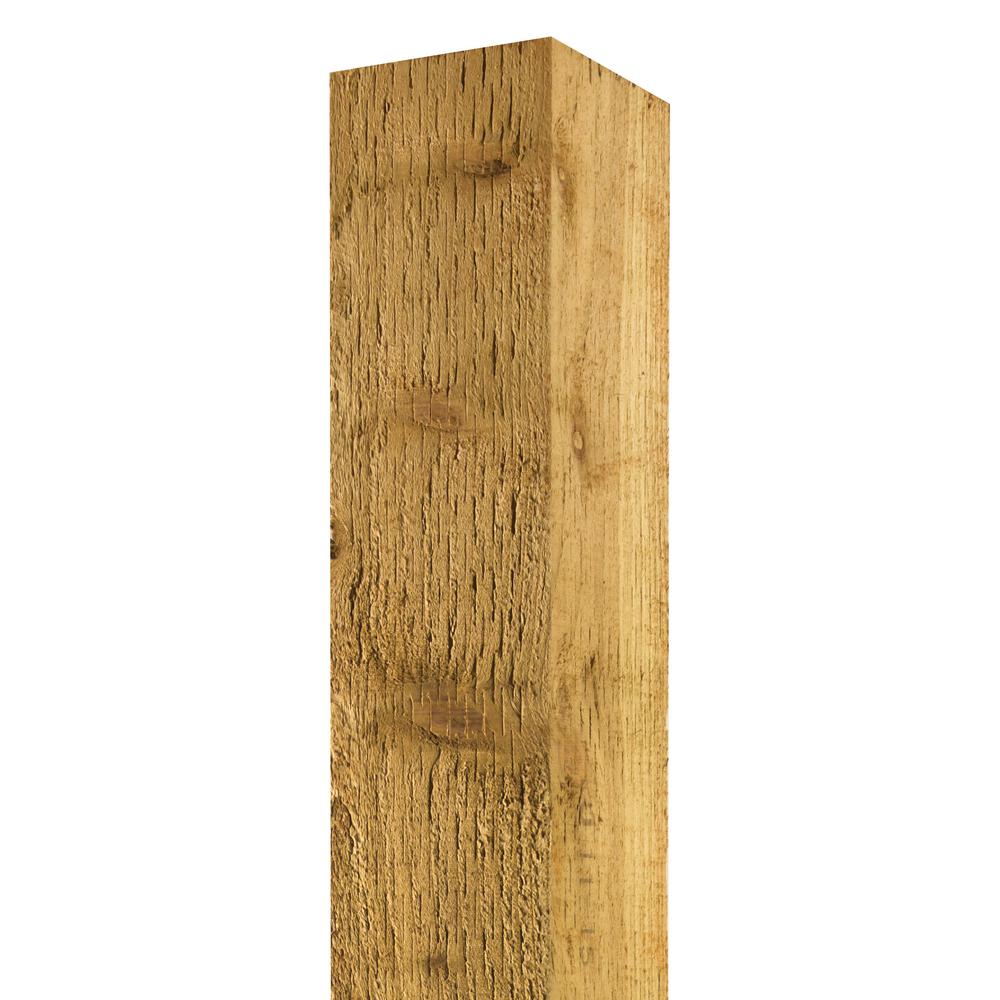
Timber fence posts are typically made from pressure treated softwood and are designed for direct ground contact. It's also important to check that fence posts are UC4 (Use Class 4), which is crucial for ensuring they are suitable for direct ground contact and protected against rot for 15+ years
For best results, posts should be adequately sized, correctly installed, and paired with compatible panels and fixings.
In areas with high wind exposure or heavy soil, opting for higher-grade pressure treated fence posts can significantly improve fence stability and lifespan.
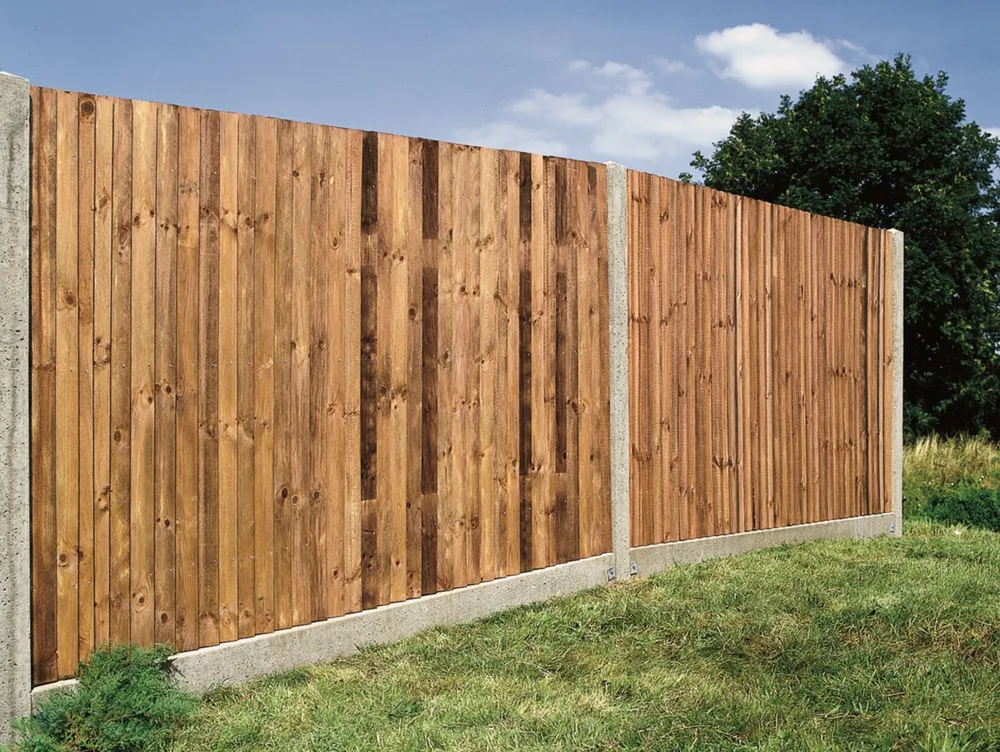
You can also use concrete fence posts for your garden. Because they do not require treatment, they're a very durable and low-maintenance option.
Matching timber species to fence style
Different fence styles benefit from different timber species:
- Closeboard fencing often uses pressure treated softwood for strength and privacy
- Decorative panels may use spruce or pine for a smoother finish
- Post-and-rail fencing works well with fir, oak, or chestnut
- Boundary fencing typically relies on treated softwood panels and posts for cost efficiency
Choosing the right fence timber ensures your fence performs well while complimenting your outdoor space!
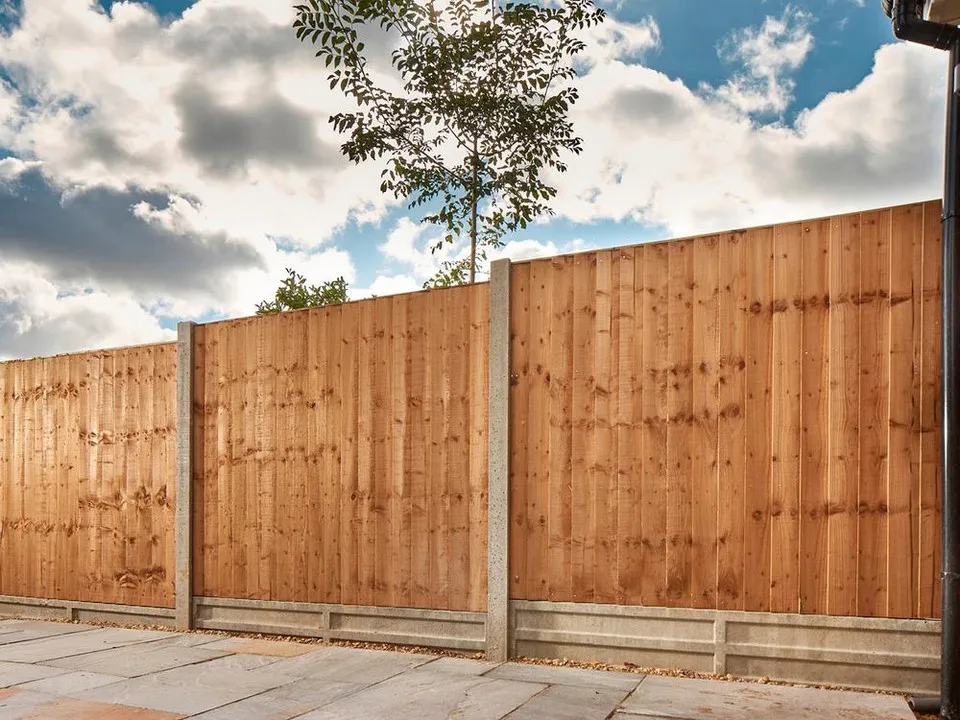
Understanding the different species of timber used for fencing makes it easier to select materials that suit your garden, budget, and maintenance expectations.
By combining the right timber fencing supplies with proper installation and care, a timber fence can remain a strong, attractive feature of your garden for many years to come.
If you have any more questions about different species of timber for fencing, or you just need additional information about the products we sell at Howarth, please visit your local Howarth branch, or contact our customer services on 01472 907051.
You may also be interested in...



Recent Posts
-

5 Decking Ideas for Small Gardens
If you’re looking for decking ideas for small gardens, there’s an array of ways to maximise your spa
-

How to choose the best aggregate
When looking to give your outdoor space a refresh, aggregates are a quick and easy way to do this. F