
What is EPDM Rubber Roofing?
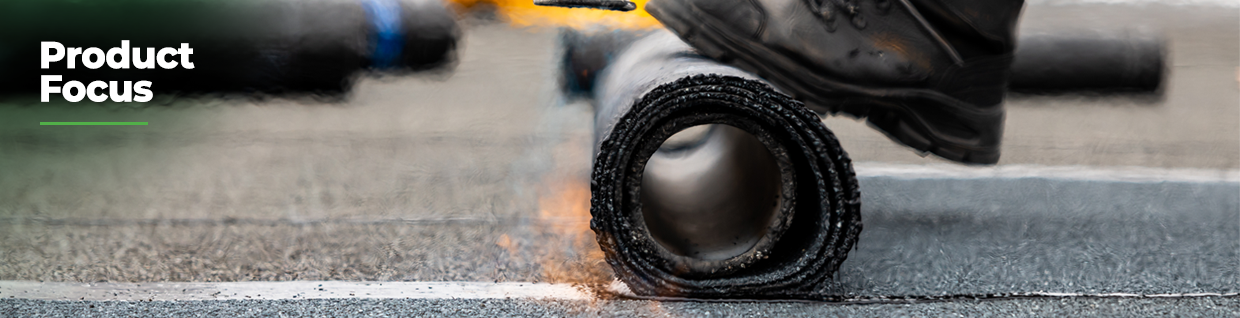
When it comes to selecting the right material for your roof, rubber roofing stands out as a popular choice, especially for flat roofs. But what exactly is EPDM roofing, and why is it so highly recommended?
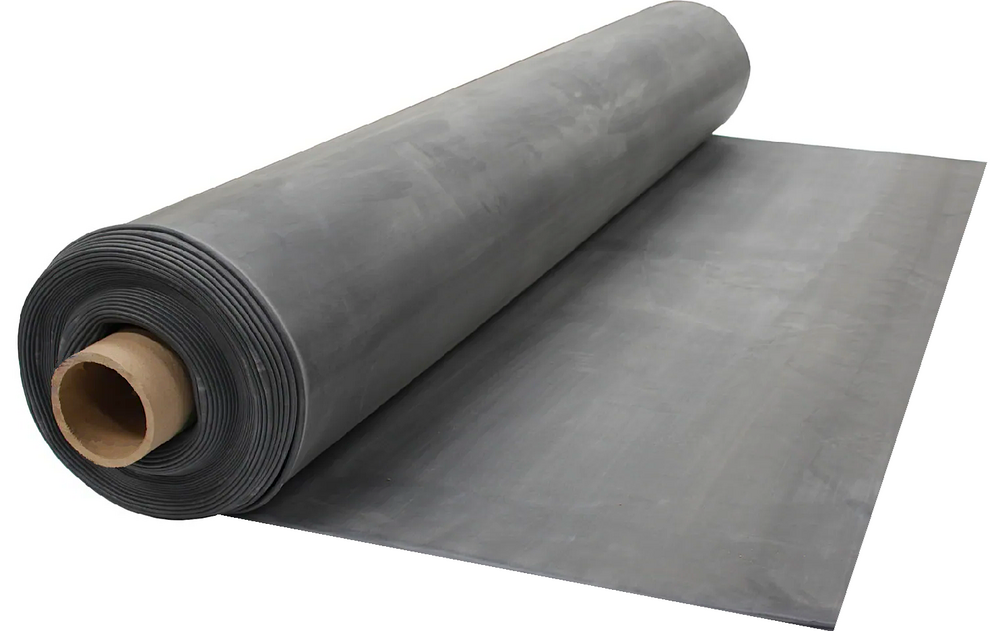
EPDM rubber roofing is a type of roofing material made from a synthetic rubber called Ethylene Propylene Diene Monomer. It is widely known for its durability, flexibility, and resistance to weathering, making it an excellent choice for both residential and commercial buildings.
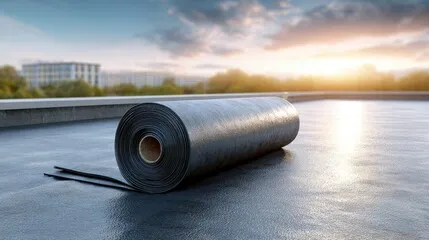
Key features of EPDM rubber roofing
- Durability: EPDM rubber roofs are known for their longevity and can withstand extreme weather conditions.
- Flexibility: The material is highly flexible, allowing it to adapt to varying temperatures and structural movements.
- Waterproofing: EPDM provides excellent waterproofing, making it ideal for flat roofs where water drainage might be a concern.
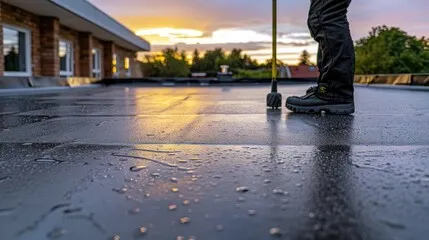
Advantages of rubber roofing for flat roofs
When considering rubber roofing for flat roofs, one of the major benefits is its ease of installation and maintenance. Whether you're a DIY enthusiast or a professional roofer, EPDM rubber roofing kits make the installation process straightforward.
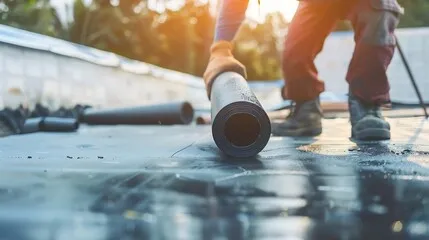
How do you install a rubber roof?
- Prepare the surface: Ensure the roof surface is clean and free of debris.
- Apply adhesive: Use a specialised adhesive to secure the EPDM membrane.
- Lay the membrane: Roll out the EPDM rubber sheet and position it carefully.
- Seal the edges: Use a sealant to secure the edges and prevent leaks.
With a rubber roof kit, installation is simplified, providing all the necessary components and instructions to guide you through the process.
Longevity and maintenance
A common question is, how long do rubber roofs last? On average, an EPDM rubber roof can last between 20 to 30 years with proper maintenance. To ensure longevity, regular inspections and cleaning are recommended. This helps to identify any potential issues early and maintain the integrity of the roofing system.
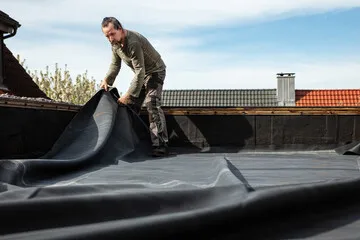
How long should a rubber roof last?
With advancements in technology and materials, many rubber EPDM roofing systems are designed to last even longer, sometimes exceeding 30 years. This makes them an economical and sustainable choice for long-term roofing solutions.
Conclusion
Choosing EPDM rubber roofing offers numerous benefits, from its durability and flexibility to its cost-effectiveness and ease of installation. Whether you're tackling a DIY project or working on a commercial installation, rubber roofing for flat roofs provides a reliable and efficient solution.
If you have any more questions about rubber roofing, or you require any additional information about the products we sell at Howarth, please visit your local Howarth branch, or contact our customer services on 01472 907051.


Recent Posts
-
Child-friendly garden ideas on a budget
Creating a garden that’s safe, fun, and engaging for children doesn’t have to cost a fortune. With a
-
How to stop block paving sinking
If you’ve noticed dips, uneven surfaces, or pooling water, you’re not alone. Block paving sinking is