null

Sustainability

Since 1840, Howarth Timber has been building Britain. Now we're helping build a greener one, with 100% legally sourced FSC and PEFC certified timber, solar powered branches, and a fleet moving to electric. We want to help our customers make strides in your own sustainability journeys, from government support schemes to products that will improve energy efficiency and lower energy bills.

Our Environmental Commitments

Across our branches and operations, we've made meaningful strides in reducing our environmental impact. Our buildings now run partly on solar power — generating 75MWh of electricity and saving 13,000kg of CO₂e in the past year alone.

Company vehicles are switching to EV and hybrid, our yards are trialling electric sideloaders to replace diesel-powered equipment, and we've introduced electric forklifts, biomass boilers and dust extraction across our sites.

Every lighting system has been upgraded to LED, and a bespoke energy management system now tracks utility usage across the whole Group so we can set meaningful targets and hit them. A dedicated Sustainability Manager leads this work, supported by a new waste strategy that accounts for what we produce and drives it down. We're also calculating our scope 3 emissions (the indirect carbon in our supply chain) so we can engage our suppliers and reduce our full footprint, not just the parts we directly control.

And to help our customers make more informed, low-carbon choices, we're developing Environmental Product Declarations (EPDs) for our products.


Responsible Timber Sourcing

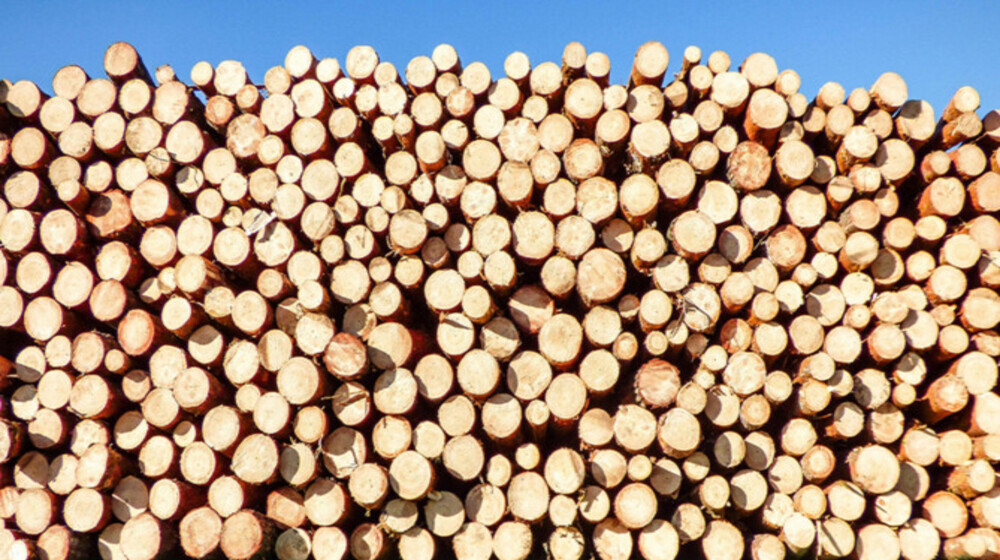
Howarth Timber is committed to responsible timber sourcing and purchasing; every piece of timber we sell is traceable from forest to branch. Our Chain of Custody certification means your projects meet planning requirements and your clients can trust what goes into their buildings. Howarth Timber ensures compliance with the Forest Stewardship Council and the Programme for the Endorsement of Forest Certification.

What is FSC Timber?

FSC timber is wood that has been certified by the Forest Stewardship Council. View all of Howarth's FSC certified timber.

What is PEFC Timber?

PEFC timber has been certified by the Programme for the Endorsement of Forest Certification. PEFC is a leading global alliance of national forest certification systems. View all of Howarth's PEFC timber.

Our Chain of Custody Certification

Howarth Timber purchases all timber from legal and sustainable sources, and unreservedly condemns illegal logging practices. Chain of Custody (CoC) procedures ensure all raw materials meet the Government Timber Procurement Policy and former C.P.E.T. (Central Point of Expertise in Timber) policy.

Energy Efficient Products for Homes and Developments

Homeowners are looking for ways to reduce household bills, and improving energy efficiency and heating homes in more environmentally friendly ways are good for the bank account as well as the planet. With legislation such as the Future Homes Standards influencing house building in 2026 and 2027, Howarth has a wide range of product to help meet these standards, from air source heat pumps to improved insulation. Explore some of the ways to make your home more energy efficient and live a more sustainable lifestyle.
Air Source Heat Pumps

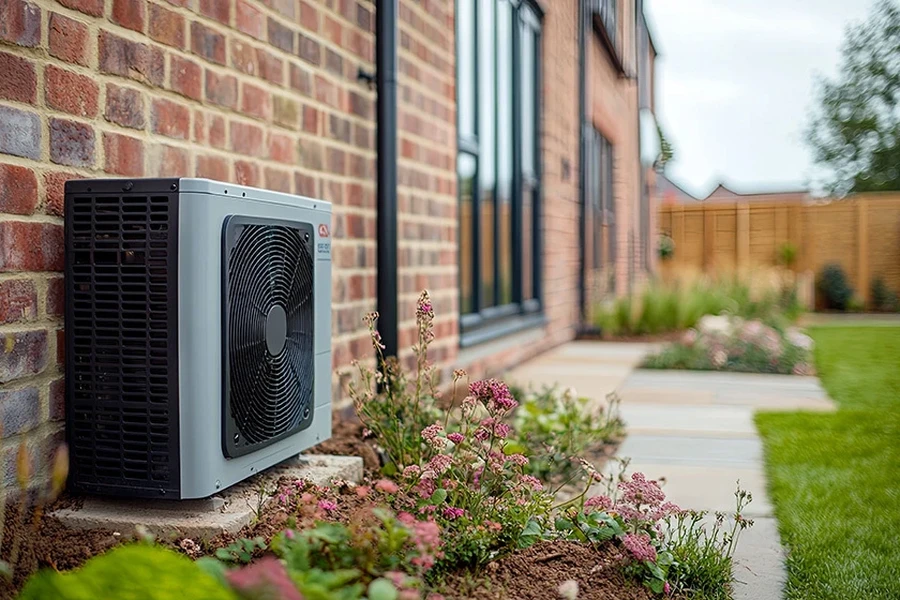
Heat pumps can reduce energy bills considerably, and work with radiators, underfloor heating and hot water tanks. Up to 75% of the energy required by the heating system is taken from the environment.
SHOP HEAT PUMPS HOW THEY WORK

Solar PV & Solar Thermal

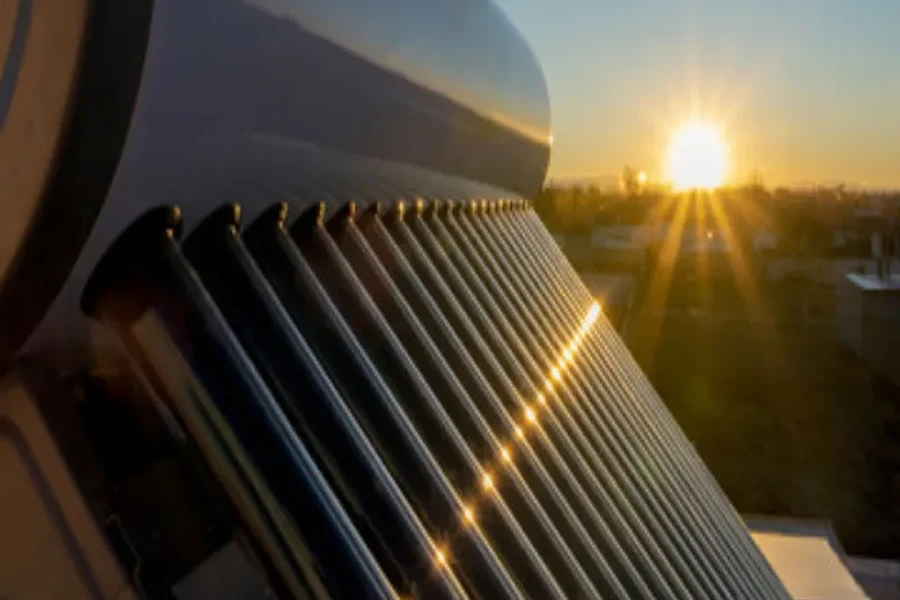
Solar power is a great way to harness the sun's energy to generate electricity, and it can have a significant impact on lowering your carbon footprint and reducing the cost of energy bills for new builds and retrofits.
PV VS THERMAL GUIDE

Underfloor Heating

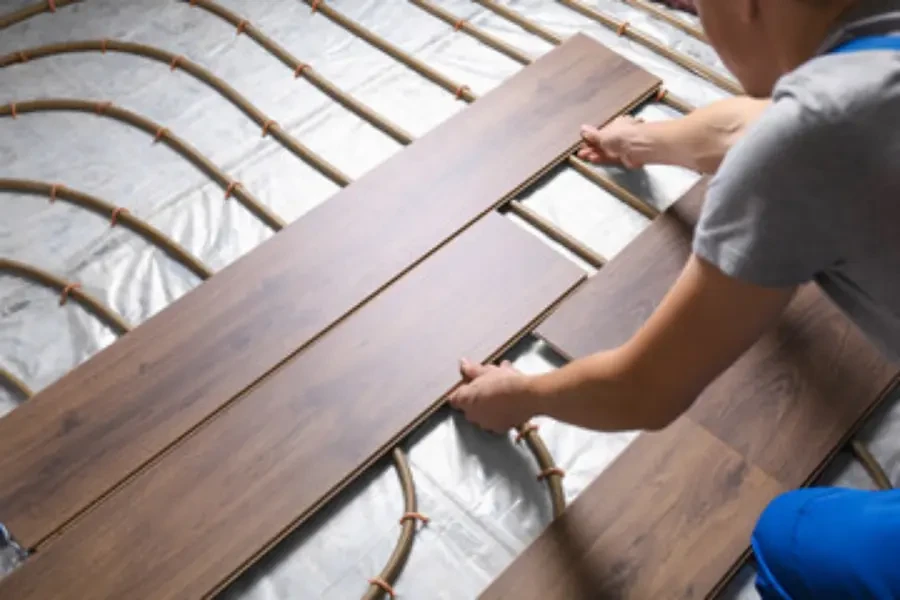
Underfloor heating can cut energy use in a typical UK home by up to 35%. Choose from electric or warm water underfloor heating systems, and pair with heat pumps for maximum efficiency.
UFH Guide

Insulation

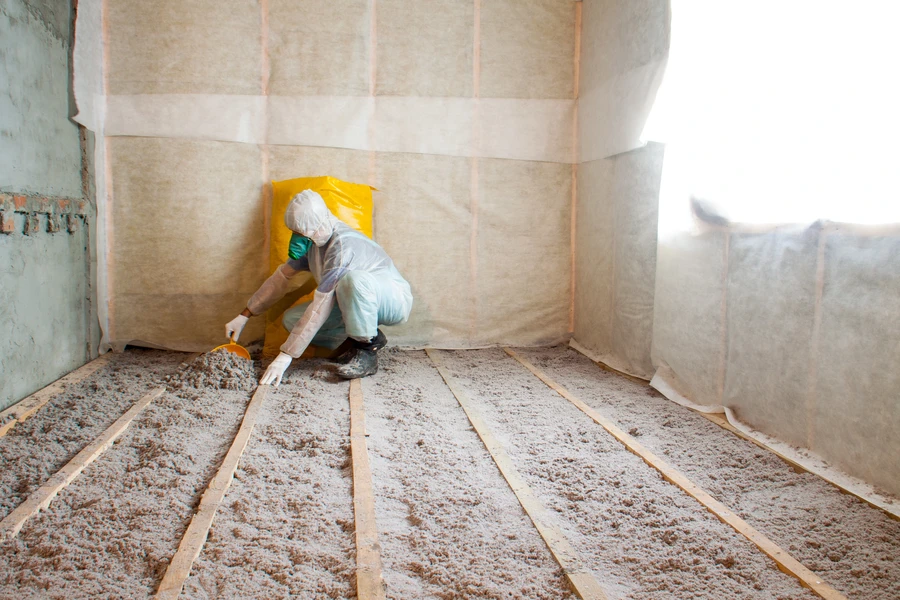
A well insulated home can have a big impact on energy efficiency. Loft insulation, cavity insulation, PIR board and foil options are all available to help cut heat loss year round.

Shop Insulation Energy Efficiency Guide

Government Grants & Schemes

The Government's Help to Heat Scheme is aimed at boosting energy efficiency for hundreds of thousands of homes through the Boiler Upgrade Scheme, the Warm Homes: Local Grant, Warm Homes: Social Housing Fund, Energy Company Obligation and Great British Insulation Scheme.

These schemes are funded by installers, local authorities and energy companies.

Whether you're building a new home, building a development or simply trying to save money on your energy bills, there is almost always a sustainable option available which can improve your energy efficiency, your carbon footprint and the money in your pocket.

Frequently Asked Questions

How do air source heat pumps work?
They work by capturing heat from outside air (even in cold weather) and moving it indoors through radiators, underfloor heating or hot water tanks. We describe it as working like a refrigerator in reverse.
Can I use an air source heat pump in an older property?
Yes, air source heat pumps can be installed in older properties, though the efficiency gains are greatest in well-insulated homes. We'd always recommend pairing a heat pump installation with an assessment of your insulation levels: loft insulation, cavity wall insulation, and draught-proofing will all improve performance significantly. Howarth stocks a full range of insulation products to help you get the most from your heating system.
What does PV stand for in solar?
PV stands for photovoltaic. Solar PV systems use panels made from semiconductor materials to turn sunlight into electricity through a process called the photovolaitic effect.
How do solar panels work?
When the PV panels are hit by sunlight, they create direct current (DC) electricity which is then converted into alternating current (AC) by an inverter, creating a renewable source of energy for the home.
What's the difference between solar PV and solar thermal?
Solar PV (photovoltaic) panels convert sunlight into electricity that can power your home or be exported to the grid. Solar thermal systems use sunlight to heat water directly, typically for use in your hot water tank. PV is the more versatile option as the electricity it generates can be used for anything, whereas solar thermal is specifically for hot water. Both can significantly reduce energy bills and your carbon footprint.
Who is eligible for Help to Heat and Warm Homes grants?
There are a number of government Help to Heat schemes available through installers, local authorities, energy companies and other bodies. Find out more here: https://www.gov.uk/government/collections/find-energy-grants-for-you-home-help-to-heat.
Will underfloor heating work with my existing boiler?
Warm water underfloor heating can be connected to most modern boilers, as well as heat pumps, and it's particularly efficient when paired with a heat pump because UFH operates at lower water temperatures than radiators. Electric underfloor heating is a self-contained system that doesn't require a boiler at all, making it a popular choice for extensions, bathrooms, and single rooms. Speak to your local Howarth Timber branch for advice on the right system for your project.
What is PEFC timber?
PEFC stands for the Programme for the Endorsement of Forest Certification, and is a global alliance of national forest certification systems. For timber to be assigned as PEFC timber, it must be certified.
What is FSC timber?
FSC stands for Forest Stewardship Council, and FSC timber is wood that has been certified by it.
What is Chain of Custody certification?
Chain of Custody (CoC) certification tracks timber from the forest through every stage of the supply chain - processing, manufacturing, and distribution - right through to the final product. It gives buyers confidence that the timber they're purchasing genuinely originates from a certified, responsibly managed source and hasn't been mixed with uncertified or illegally logged material along the way. All timber sold by Howarth Timber meets Chain of Custody requirements under both FSC and PEFC standards.
Is all timber sold by Howarth Timber sustainably sourced?
Yes. Howarth Timber is committed to purchasing all timber from legal and sustainable sources, and we unreservedly condemn illegal logging practices. Every piece of timber we sell is traceable from forest to branch through our FSC and PEFC Chain of Custody certification.
What is an Environmental Product Declaration (EPD)?
An EPD is a standardised document that provides transparent, independently verified data about the environmental impact of a product across its full life cycle, from raw material extraction through to end of life. EPDs are increasingly required by architects, specifiers, and contractors working on green-rated buildings. Howarth Timber is currently developing EPDs for our product range so our customers have the data they need to make informed, low-carbon choices.
What is scope 3 emissions reporting?
Scope 3 emissions are the indirect carbon emissions that occur in a company's supply chain. For example, the emissions produced when our timber suppliers harvest and process materials before they reach us. Unlike scope 1 (direct emissions from our own operations) and scope 2 (emissions from the energy we buy), scope 3 covers the wider upstream and downstream impact of our business. We are currently calculating our scope 3 emissions so we can work with our supply chain to reduce our full carbon footprint, not just the parts we directly control.