
Howarth Timber is committed to ensuring sustainability is at the heart of everything we do. We've detailed Howarth Timber’s commitment to responsible timber sourcing and progress with implementing more sustainable practices. We also explore the ways we can help our customers to make strides in your own sustainability journeys, from government support schemes to products that will improve energy efficiency and lower energy bills.
Howarth's Environmental Responsibility
Sustainability is more than just a buzzword. It's crucial that the construction industry resists carbon emissions and makes a meaningful influence on climate change, and Howarth Timber is proud of the many ways in the company has made progress:
Responsible Timber Sourcing
Howarth Timber is committed to responsible timber sourcing and purchasing. The company has a responsibility to the environment, customers, suppliers and staff to base its commercial activities on well-managed and sustainable forests.
Howarth Timber purchases all timber from legal and sustainable sources, and unreservedly condemns illegal logging practices. Chain of Custody (CoC) procedures ensure all raw materials meet the Government Timber Procurement Policy and former C.P.E.T. (Central Point of Expertise in Timber) policy.
As part of this system, Howarth Timber ensures compliance with the Forest Stewardship Council and the Programme for the Endorsement of Forest Certification. All of Howarth's timber comes from sustainable, well managed resources.
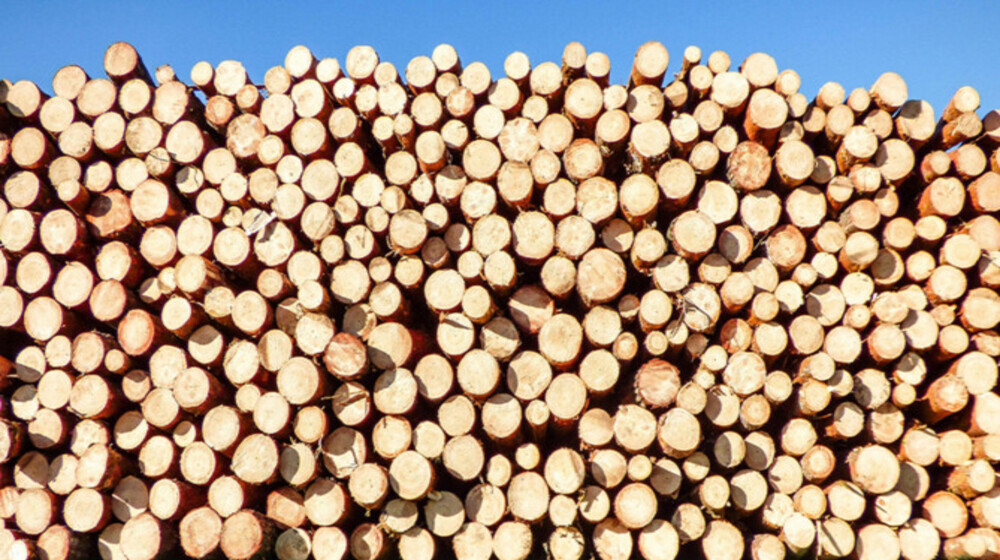
What is FSC Timber?
FSC timber is wood that has been certified by the Forest Stewardship Council. View all of Howarth's FSC certified timber.
What is PEFC Timber?
PEFC timber has been certified by the Programme for the Endorsement of Forest Certification. PEFC is a leading global alliance of national forest certification systems. View all of Howarth's PEFC timber.
Sustainable Products and Services at Howarth Timber
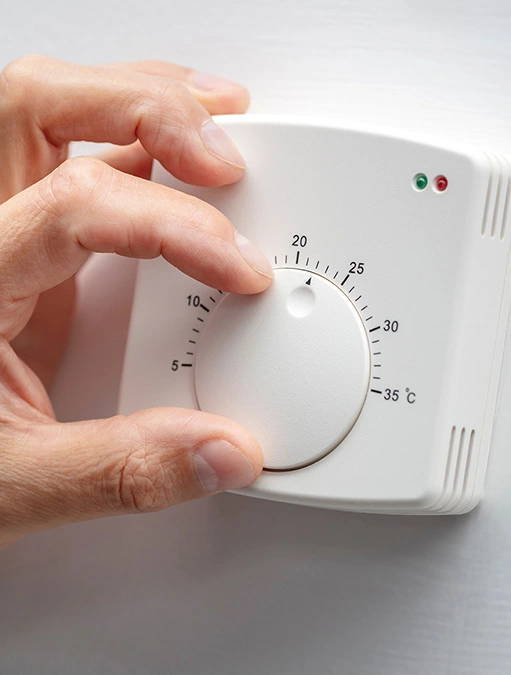
Homeowners are looking for ways to reduce household bills, and improving energy efficiency and heating homes in more environmentally friendly ways are good for the bank account as well as the planet.
With legislation such as the Future Homes Standards influencing house building in 2026 and 2027, Howarth has a wide range of product to help meet these standards, from air source heat pumps to improved insulation. Explore some of the ways to make your home more energy efficient and live a more sustainable lifestyle.
Help to Heat Scheme
The Government's Help to Heat Scheme is aimed at boosting energy efficiency for hundreds of thousands of homes through the Boiler Upgrade Scheme, the Warm Homes: Local Grant, Warm Homes: Social Housing Fund, Energy Company Obligation and Great British Insulation Scheme.
These schemes are funded by installers, local authorities and energy companies.
Whether you're building a new home, building a development or simply trying to save money on your energy bills, there is almost always a sustainable option available which can improve your energy efficiency, your carbon footprint and the money in your pocket.
Heat Pumps
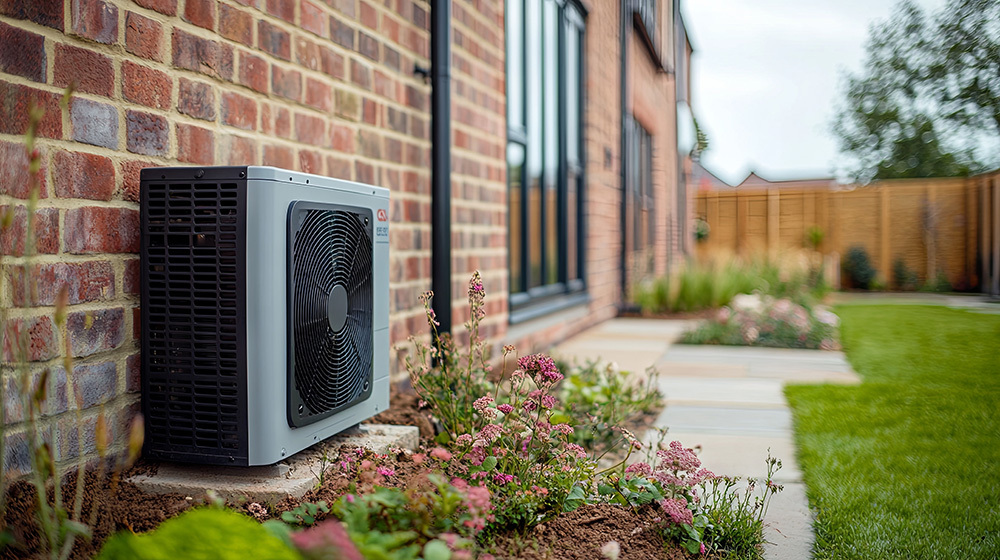
Heat pumps are a popular and environmentally friendly way to heat the home. The pumps take heat from outside air and move it indoors through radiators, underfloor heating or hot water tanks.
Up to 75% of the energy required by the heating system is taken from the environment, leaving just electricity to power the heat pump compressor.
Heat pumps can reduce energy bills considerably, and work with radiators, underfloor heating and hot water tanks.
Wonder how air source heat pumps cool a home, how efficient are they, and how are they installed? We've explored the pros and cons, including financial benefits, so you can make an informed decision as to whether or not an air source heat pump is right for you.
Solar Heating & Solar PV
Solar power is a great way to harness the sun's energy to generate electricity, and it can have a significant impact on lowering your carbon footprint and reducing the cost of energy bills.
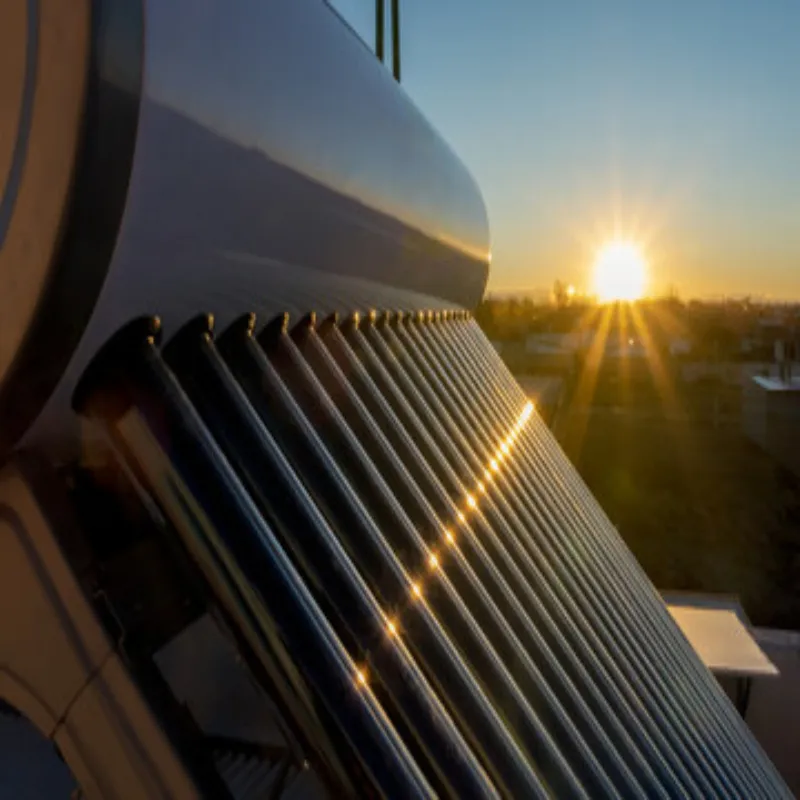
Solar PV panels and solar thermal systems create energy in different ways, so the best choice depends on circumstances.
Solar water heating systems rely on collectors, which are mounted on your roof. These absorb solar energy and use it to heat water that is stored in a hot water cylinder. As a backup, a boiler or immersion heater can be used to heat the water to the desired temperature.
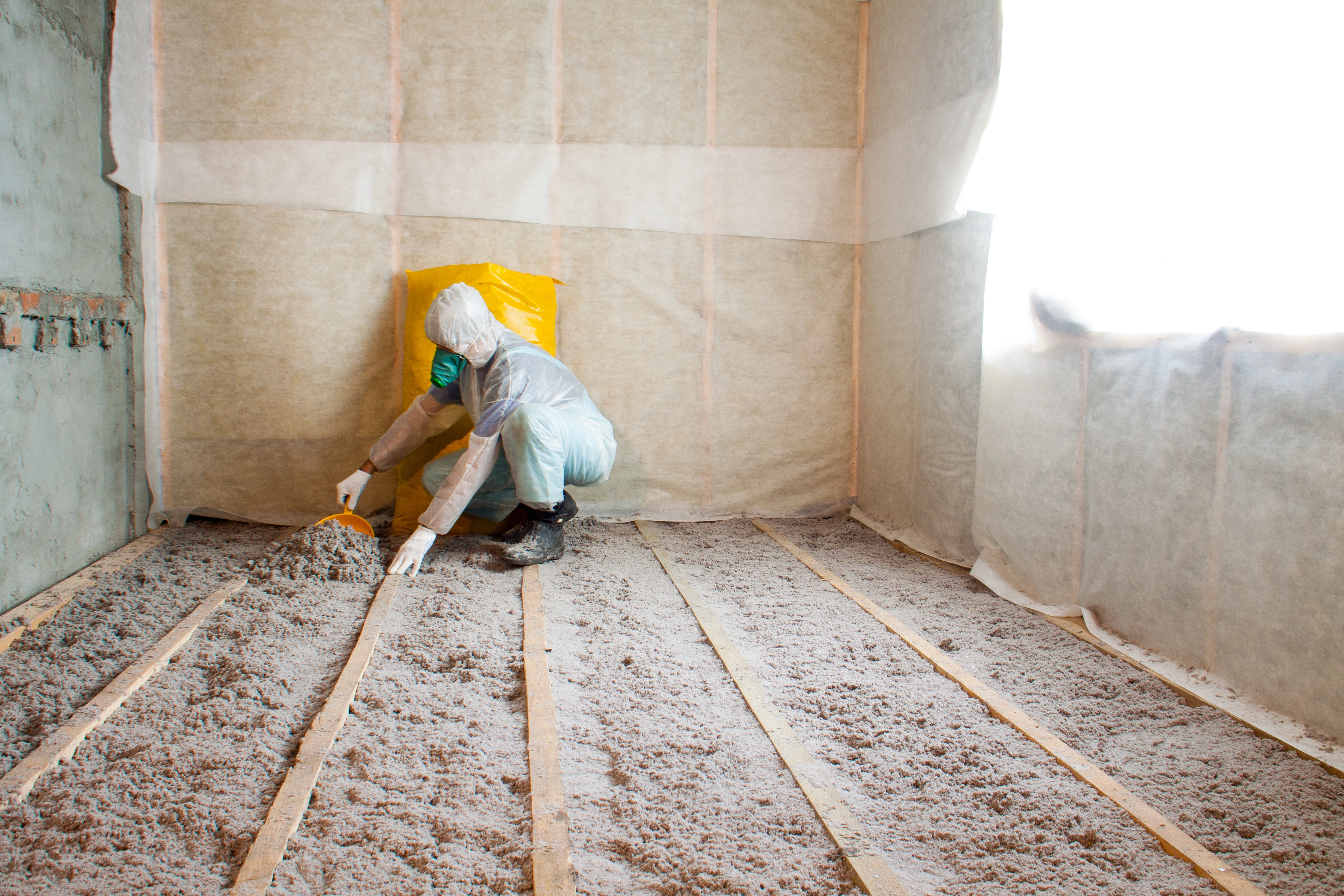
Insulation
A well insulated home can have a big impact on energy efficiency. Loft insulation is one of the most effective methods, and cavity insulation is important for homes built in the last 70-80 years. Draught proofing windows and doors can also make a home more energy efficient.
Howarth Timber is committed to keeping customers up to date with the latest energy saving insulation materials for new and existing homes.
Explore how insulation could improve your home's energy efficency and save on energy bills.
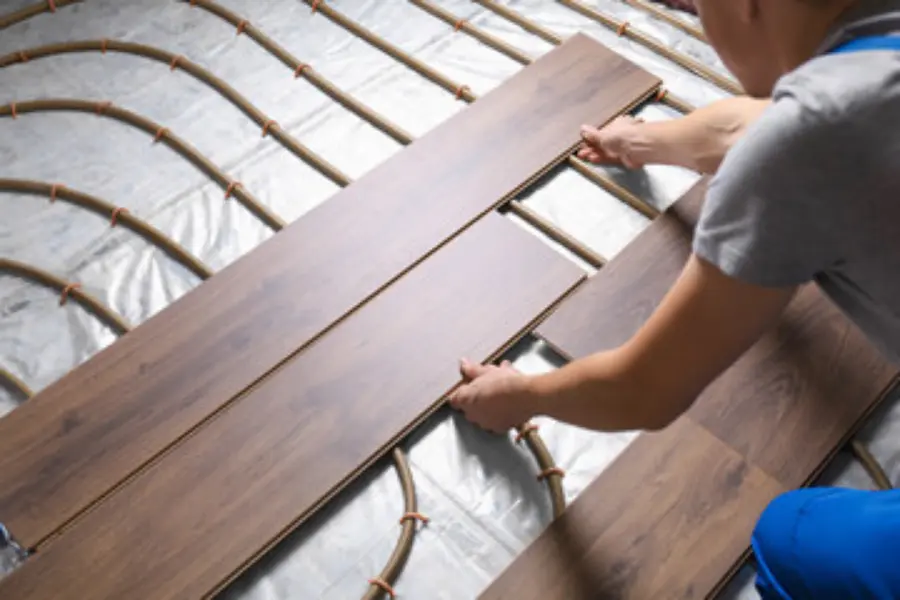
Underfloor Heating
Underfloor heating has become popular because of its energy efficiency; it can cut energy use in a typical UK home by up to 35% due to its lower operating temperature and efficient heat distribution.
Whether you choose to go with electric or warm water underfloor heating, they can both help to reduce energy bills.
Our Underfloor Heating Guide explores how it works, explains why it's energy efficient, and answers commons questions about where and how it can be installed.