
The Ultimate Guide to Sheet Materials
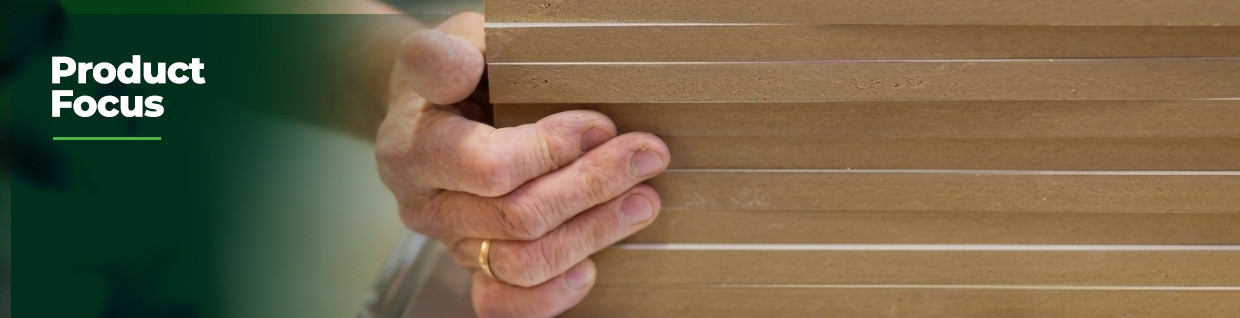
When it comes to building materials, sheet materials are a staple on site. From flooring to roofing and structural use, choosing the right sheet material isn’t just about price, it’s about performance and durability, and making sure your project is perfect first time.
In this ultimate guide, we will tell you all about some of the most common sheet materials: chipboard, MDF, OSB and plywood.

What are sheet materials?
Sheet materials are boards that are engineered from wood fibres, particles or veneers. They’re manufactured in a variety of standard sizes, making them easier to transport and use than solid timber.
Common uses include:
- Flooring
- Roofing
- Furniture and cabinetry
- Interior fit-outs
The standard size for sheet materials is 8x4 (2440mm x 1220mm), making them easy to use in most builds.
Common thicknesses include:
- 9mm
- 12mm
- 18mm
- 22mm
Always make sure to choose the correct thickness and size to match the requirements of the job.
Chipboard
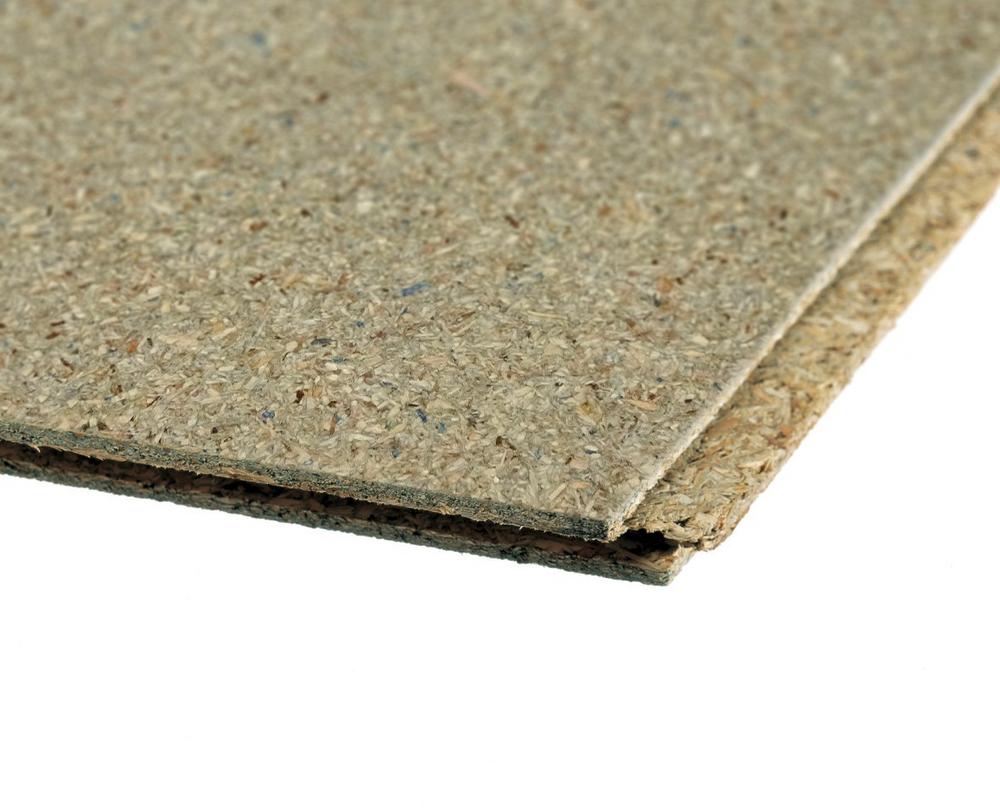
Chipboard is made from a blend of wood particles that are bonded with resin and then pressed into sheets. It is one of the most cost-effective sheet materials available.
Best for:
- Flooring (particularly tongue & groove boards)
- Projects on a strict budget
- Hidden or non-structural uses
Why choose it:
- Affordable and readily available
- Lightweight and easy to use
Keep in mind:
- Not suitable for use in wet conditions unless a moisture-resistant grade is used
- Not as strong as OSB or plywood
MDF
MDF is made when fine wood fibres are compressed into dense, smooth boards. It is often used in internal joinery when a clean finish is required.

Best for:
- Cabinetry and furniture
- Skirting, architraves and mouldings
- Surfaces that will be painted
Why choose it:
- Has a smooth finish so ideal for painting
- Easy to cut and machine with clean edges
Keep in mind:
- Heavier than chipboard
- Standard MDF isn’t moisture resistant so make sure to choose a moisture resistant kind if needed
OSB
OSB is made from compressed wood strands that are laid in specific directions in order to maximise the board’s strength.
Best for:
- Roofing decks
- Wall sheathing
- Structural flooring
Why choose it:
- Strong and reliable, good at load bearing
- Is more cost effective then plywood when being used in structural work
Keep in mind:
- Has a rough finish, not suitable for use in decorative projects
Plywood
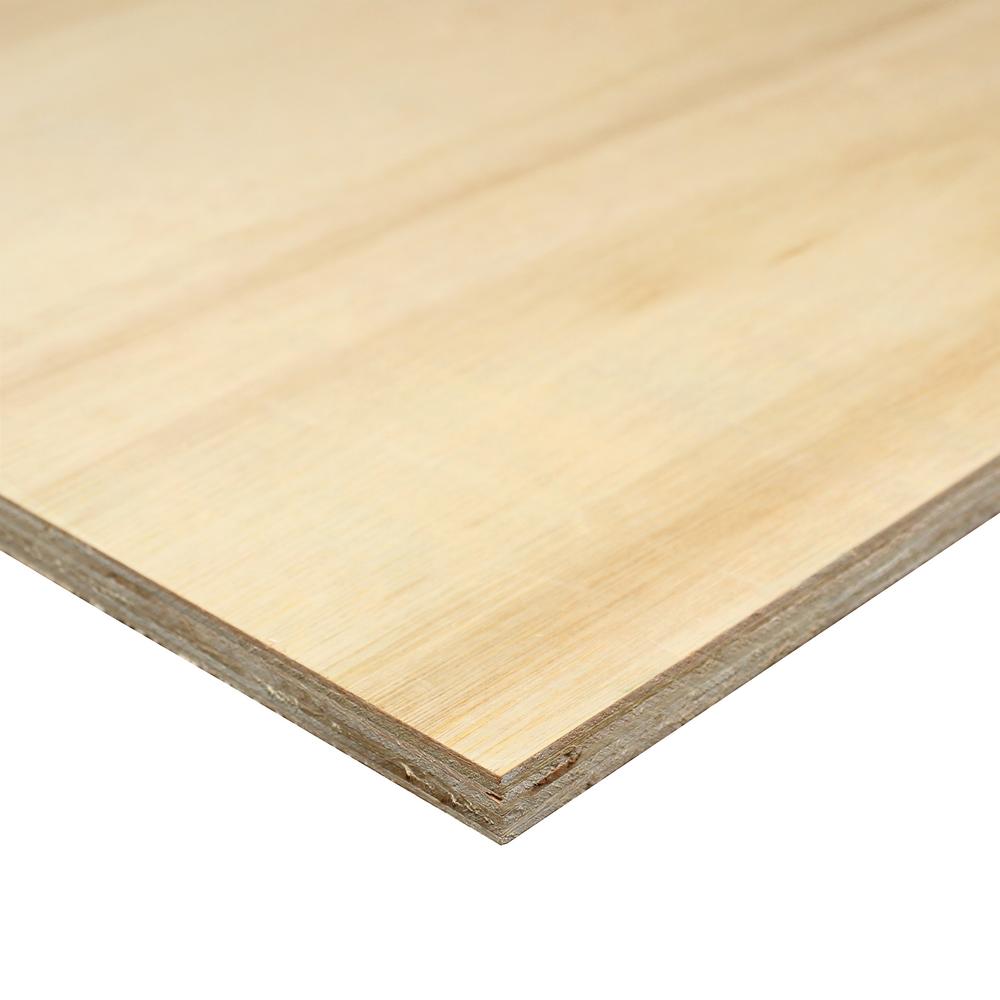
Plywood is made from bonding layers of timber veneer together, with the grain running in alternating directions. This provides the boards with strength and stability.

Best for:
- Structural applications
- Flooring and roofing
- Joinery and furniture that requires extra strength
Why choose it:
- Is strong and stable as well as less prone to warping
- Available in a range of grades, including exterior and marine
Keep in mind:
- It is more expensive than chipboard and OSB
- The quality differs depending on grade, always check what you need
Working with sheet materials best practice:
- Use sharp blades in order to avoid wood tear-out
- Make sure sheets are properly supported when cutting
- Seal edges if needed, especially with MDF and chipboard
- Make sure boards are stored flat and dry so damage is prevented
Overall, there’s not just one sheet material that comes out on top. Chipboard, MDF, OSB and plywood all have their uses, making it important to choose the right one for your job. A lot of sheet materials are also now made with recycled wood and responsibly sourced timber, so to make sure you’re meeting sustainability standards, use FSC or PEFC certified products.
If you have any more questions about sheet materials, or you just need additional information about the products we sell at Howarth, please visit your local Howarth branch, or contact us today on our customer services on 01472 907051.

Recent Posts
-
What is roof flashing?
Roof flashing is a thin, weather-resistant material installed at roof junctions and other vulnerable
-
How to fix a leaking roof from the inside
It's usually alarming when you see a leak pouring through your roof, but don't worry! Fortunately, y