
A Buying Guide to Cladding
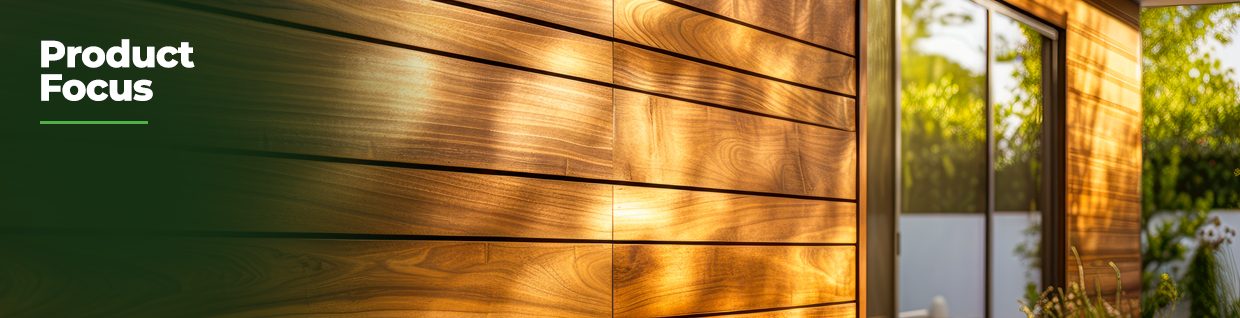
If you're considering cladding for your next project, this comprehensive Buying Guide is essential. Whether you're renovating a property, upgrading your exterior, or researching the best cladding for house projects, understanding the different options available can help you make the right decision.
In this guide, we'll explore everything from wooden to cedar to composite, as well as PVC and fibre cement products. You'll learn what cladding is, the benefits of different materials, installation considerations, and how to choose the best one for your property!
What is cladding?
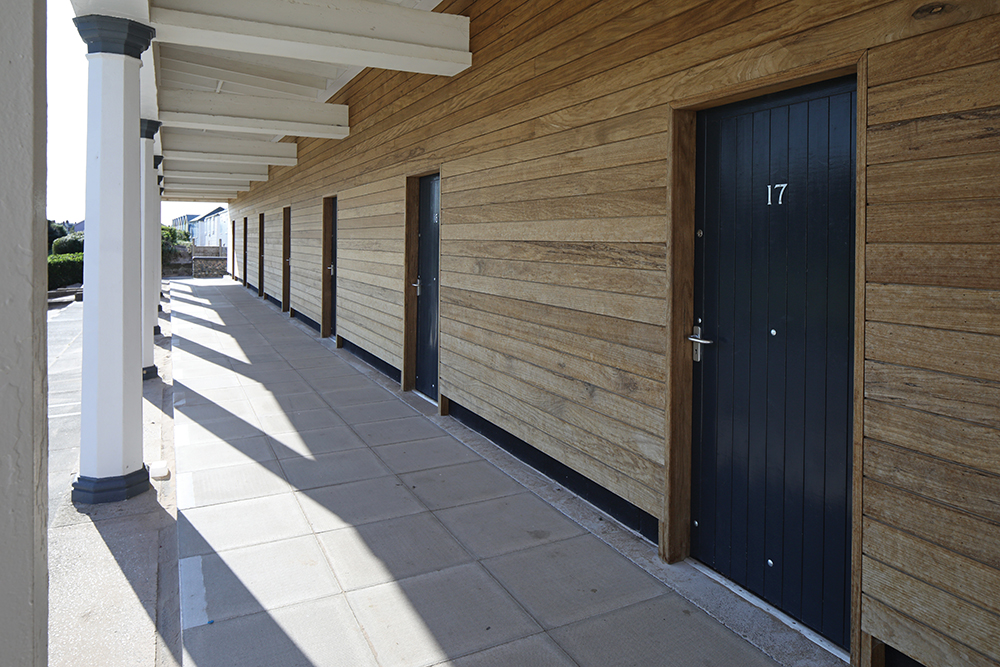
Simply put, cladding is a protective layer fixed to the exterior of a building to improve appearance, weather resistance, and insulation performance.
Building cladding can be manufactured from a wide range of materials, including timber, composite, stone, fibre cement, and PVC. As well as enhancing a property's visual appeal, it also helps protect external walls from rain, wind, and temperature fluctuations.
Today, wood cladding remains one of the most popular choices for both traditional and modern designs due to its natural appearance, versatility, and sustainability.
How to choose the right cladding material
Choosing the best material depends on several factors, including budget, maintenance requirements, appearance, and durability.
Consider:
- The style of your property
- Exposure to weather conditions
- Maintenance expectations
- Installation complexity
- Long-term costs
- Sustainability credentials
For many homeowners, wooden cladding offers the perfect balance between aesthetics and performance, while composite products provide a lower-maintenance alternative.
What are the main types of cladding?
There are numerous types available, each offering unique benefits. Whether you're looking for external wood solutions or modern composite systems, understanding the differences will help you select the right product.
Wood Cladding
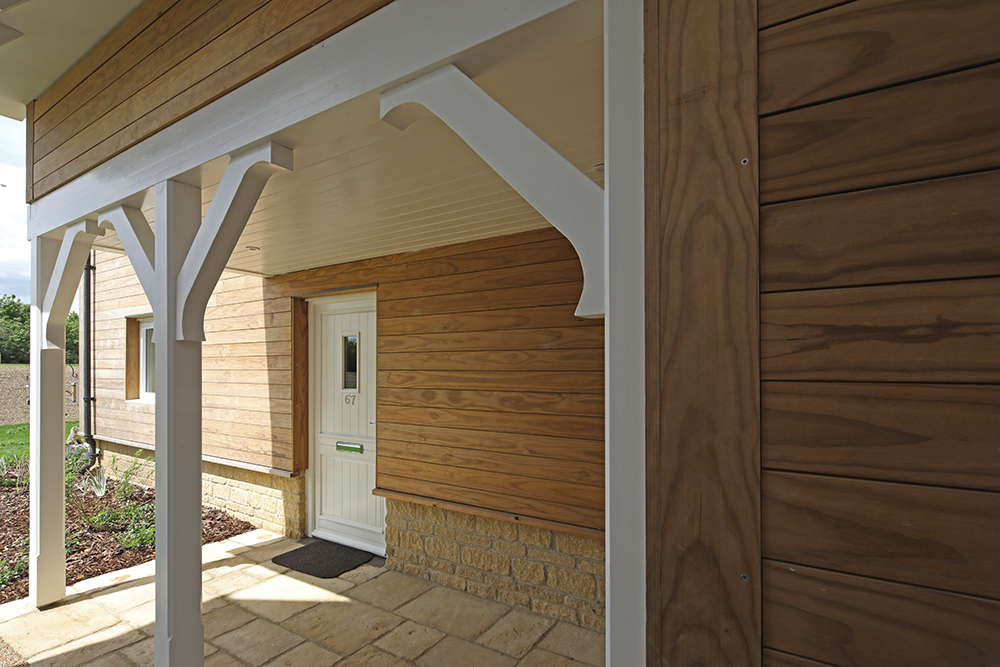
Natural, attractive and environmentally friendly, timber cladding remains one of the most sought-after options for residential and commercial projects. Available in a range of species including cedar, larch and treated softwood, wooden can be painted, stained or left to weather naturally.
Benefits include:
- Natural appearance
- Renewable material
- Excellent design flexibility
- Suitable for traditional and modern homes
One of the most popular forms of external cladding wood is cedar, thanks to its natural resistance to rot and insect attack.
Composite Cladding
Cladding composite products combine recycled wood fibres and plastics to create a durable, low-maintenance alternative to timber.
Benefits include:
- Excellent weather resistance
- Minimal maintenance
- Long lifespan
- Resistant to warping and rot
However, composite products can be more expensive initially and may not offer the same authentic appearance as natural wood cladding.
External cladding
The majority of cladding projects involve external applications. Exterior cladding protects the structure from weather damage while improving thermal efficiency and kerb appeal.
Traditional wood remains a popular choice, but homeowners are increasingly considering composite and fibre cement products due to their low-maintenance properties.
Whether you're renovating a period property or creating a contemporary extension, cladding outdoor applications can dramatically transform the appearance of your home.
Modern cladding trends
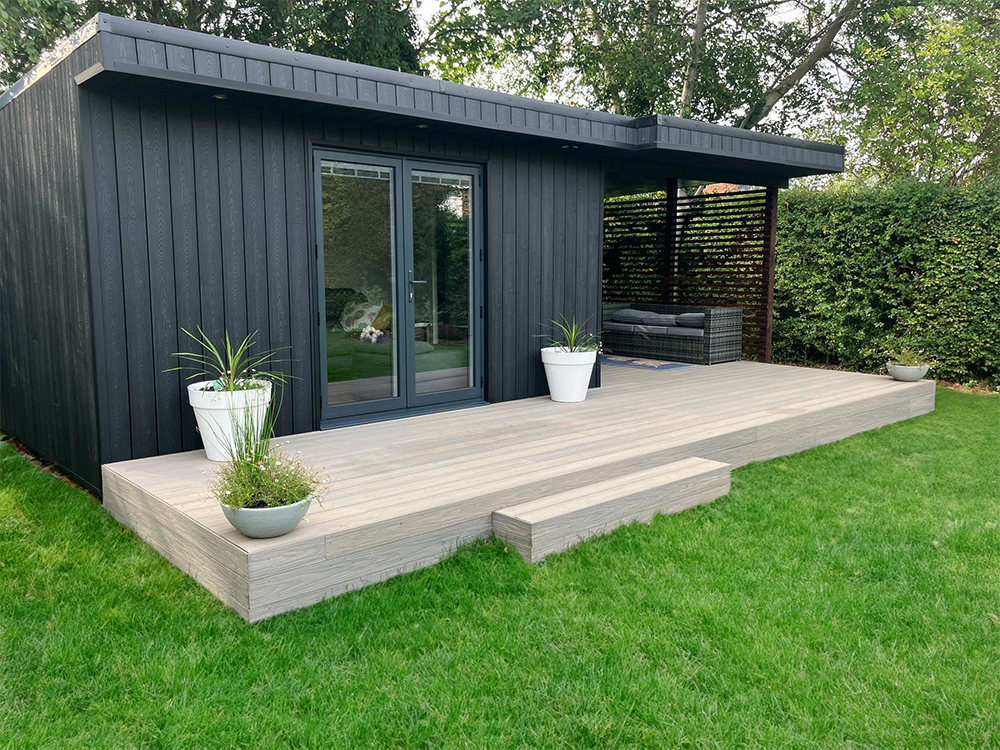
Modern designs increasingly favour clean lines, sustainable materials and contemporary finishes.
Popular trends include:
- Vertical wood
- Black-stained timber
- Composite board systems
- Mixed-material façades
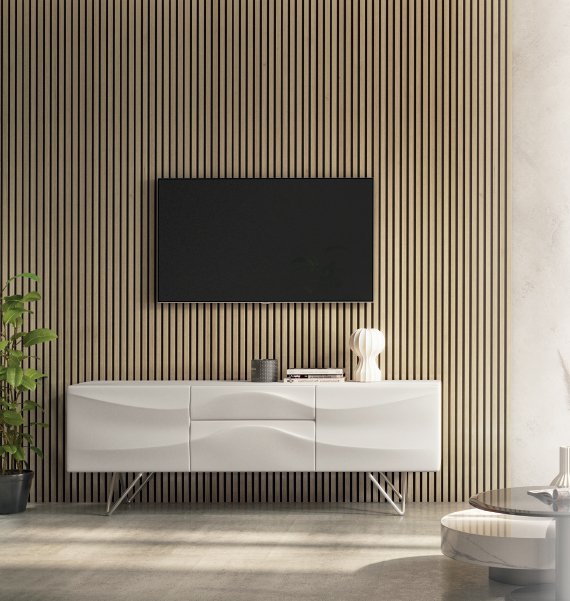
- Slatted timber feature walls
These styles can create striking visual effects while maintaining the practical benefits associated with high-quality building cladding.
How to fit cladding
If you're researching how to fit cladding, the process will vary depending on the chosen material and system (but the process makes it very easy to install!)
Before installation, ensure you have:
- Plywood sheathing
- Breather membrane or house wrap
- Insulation boards
- Cladding boards
- Fixings and trims
- Tape measure
- Circular saw
- Spirit level
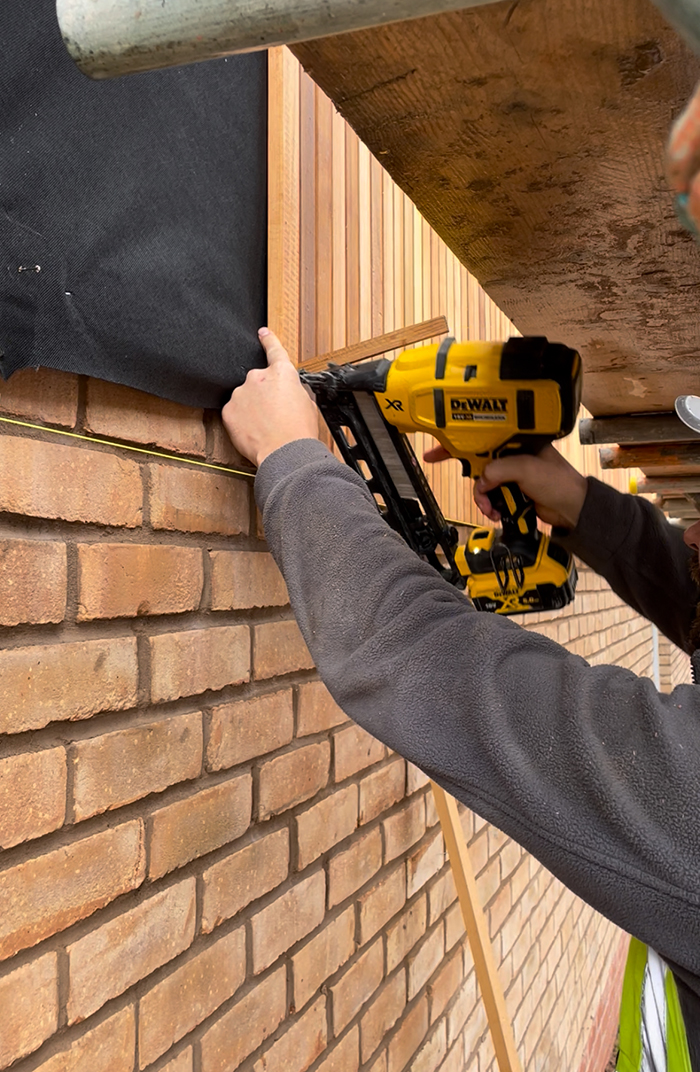
- Drill or nail gun
How to install cladding
- Measure the wall area accurately.
- Install plywood sheathing where required.
- Apply a weather-resistant breather membrane.
- Fix battens to create a ventilated cavity.
- Install insulation if required.
- Begin fixing the cladding from the bottom of the wall.
- Ensure each board is level before securing.
- Fit trims, corner profiles and finishing details.
- Apply a suitable finish to any exposed wood cladding.
Following manufacturer guidance is essential when learning how to install cladding, as fixing methods vary between timber, PVC and composite products.
We’re here to help
If you have any more questions about cladding or you just need additional information about the products we sell at Howarth, please visit your local Howarth branch, or contact us today on our customer services on 01472 907051.
Recent Posts
-
What is roof flashing?
Roof flashing is a thin, weather-resistant material installed at roof junctions and other vulnerable
-
How to fix a leaking roof from the inside
It's usually alarming when you see a leak pouring through your roof, but don't worry! Fortunately, y