
How to compost at home
Whether you’re looking to get more into gardening, or trying to live a more sustainable lifestyle, you’ve probably wondered how to compost at home. This comprehensive home composting guide will talk you through what is safe to compost, how to choose the right compost bin and some top tips to start you off on your at home composting journey.
What is home composting?
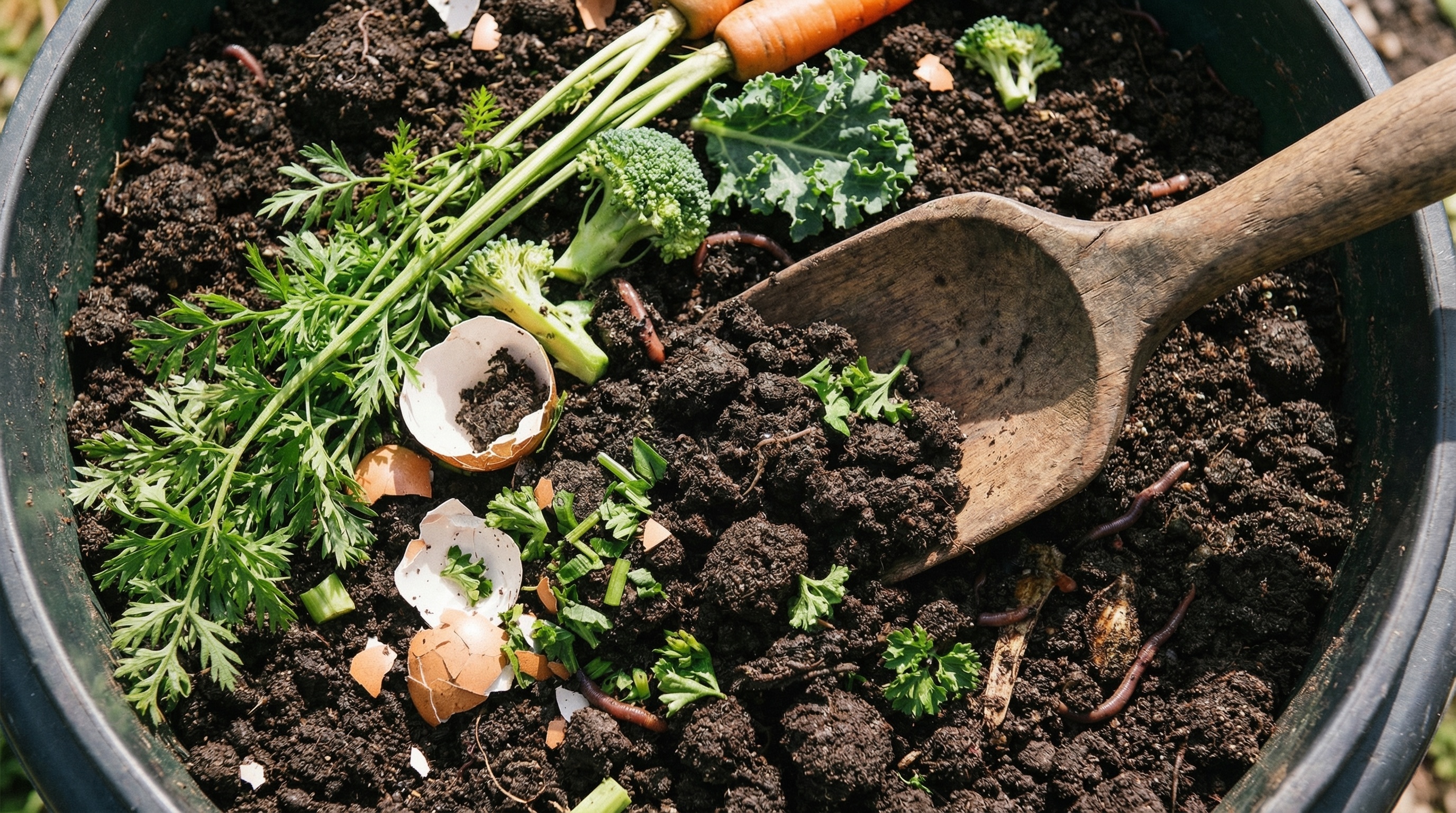
Home composting is a way of turning your organic waste such as fruit and vegetable peel and scraps, grass cuttings and other garden waste into compost full of nutrients. This can then be used to improve the soil quality in your garden and support the growth of your plants.
It’s a simple, fun and affordable way to turn your waste into something useful and most importantly, sustainable. You also don’t need a huge garden to get started, composting can be done in any garden, no matter the size.
Why should you start composting at home?
There are so many positives to home composting:
- The amount of your waste that ends up in landfill is reduced
- Nutrient rich compost is created for you to re-use in your garden
- It’s a natural way to improve the quality of your soil
- The need for chemical fertilisers in your garden is reduced
- You’re creating a more sustainable lifestyle for you and your family
What can you compost?
One of the main reasons people shy away from home composting is because they simply don’t know where to start with what they can and can’t compost. There are a few different types of materials that you can compost which we will explain for you here.
Green Compost Materials
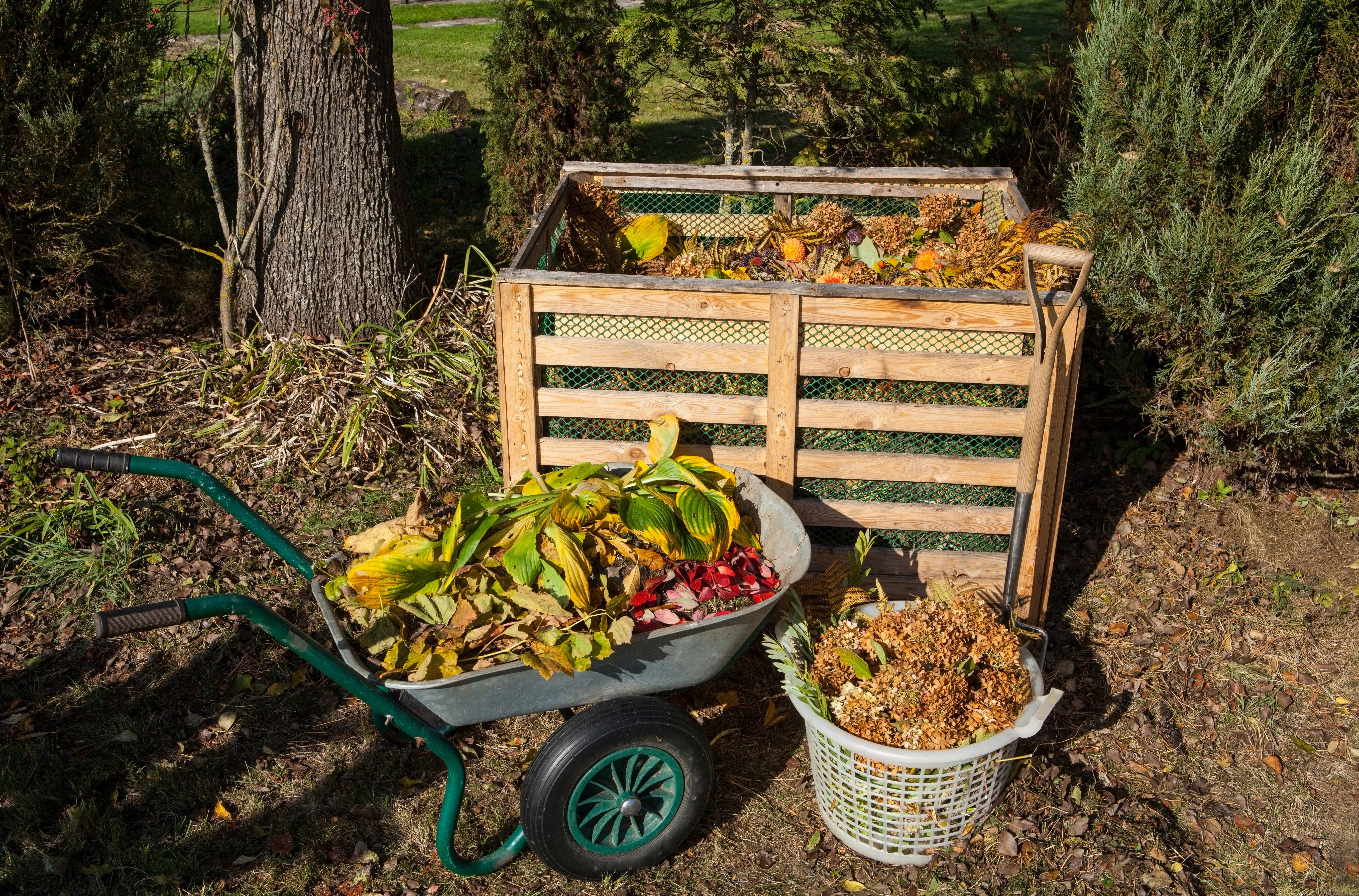
Green compost materials refer to products that will provide nitrogen and help speed up decomposition within your compost.
Examples include:
- Fruit and vegetable peelings and scraps
- Tea bags
- Coffee grounds
- Fresh grass cuttings
- Plant clippings
- Garden weeds (before they seed)
Brown Compost Materials
Brown compost materials refer to products that will provide carbon and improve the airflow within the compost.
Examples include:
- Cardboard
- Paper
- Dry leaves
- Straw
- Small twigs
- Wood shavings
For the best results, you should aim to have a balance of both green and brown compost materials.
What should you not compost?
You should avoid adding the following to your compost as these products can attract pests, create unpleasant smells and negatively affect the quality of the compost.
- Meat and fish
- Dairy products
- Cooked food
- Oils and fats
- Pet waste
- Diseased plants
- Plastic and other non-biodegradable materials
How to choose the right compost bin
The right compost bin for you and your garden really depends on the size of your garden and how much waste you produce and will be turning into compost.
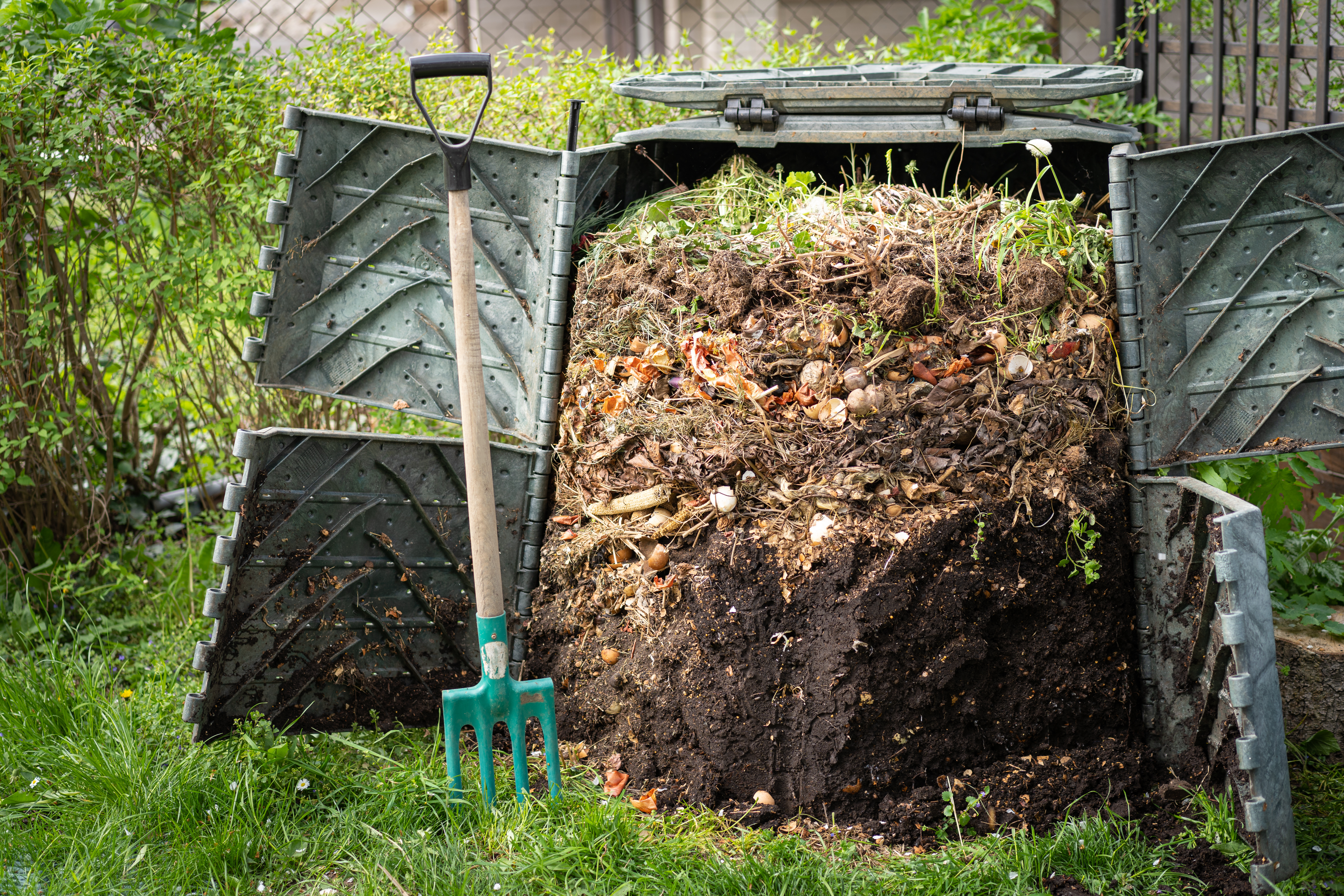
Traditional garden compost bins: are a popular choice as they are affordable, easy to use and suitable for use in most gardens.
Compost tumblers: are enclosed units that help you to produce compost quickly and break materials down faster.
Wooden compost bins: perfect for larger compost bins, they offer great airflow and a more natural, aesthetically pleasing appearance.
Worm compost bins: perfect for those with less space to work with, they turn kitchen waste into nutrient rich compost efficiently.
How to compost at home: Step-by-step guide
Step 1: Position your compost bin
- Make sure you place your chosen compost bin in an area with well-drained soil and that receives partial sunlight throughout the day.
Step 2: Start with a base layer
- Add some coarse materials, like small twigs or branches to ensure there is adequate airflow and drainage.
Step 3: Add green and brown compost materials
- Alternating layers of kitchen waste and dry materials helps to maintain a healthy, balanced compost.
Step 4: Keep the compost moist
- Compost should always feel damp but not drenched or waterlogged. You can add small amounts of water if you feel that the compost is drying out.
Step 5: Turn the compost regularly
- Make sure you give the compost a mix every few weeks to introduce oxygen and speed up the decomposition process.
Common Composting Problems
Compost is too wet: You can fix this by mixing in some more brown compost materials which will help to improve the airflow.
Compost is not breaking down: Make sure there is enough moisture and a balanced mix of green and brown compost materials.
Pests are visiting the compost bin: Make sure you aren’t adding any of the items from the list of materials to avoid adding to compost.
When is compost ready to use?
Compost is ready to use when:
- It becomes dark brown in colour
- It has a crumbly texture
- The smell is rich and earthy
- There is no visible food waste remaining
Depending on weather conditions and how well it is maintained compost usually takes 6-12 months to be ready to use.
Learning how to create your own compost at home is a great way to use your waste and improve your garden. With the right compost you will soon have a flourishing garden full of healthy plants, while also improving the sustainability of your home and helping the environment.
If you have any more questions about how to compost at home, or you just need additional information about the products we sell at Howarth, please visit your local Howarth branch, or contact us today at our customer services on 01472 907051.
Recent Posts
-
What is roof flashing?
Roof flashing is a thin, weather-resistant material installed at roof junctions and other vulnerable
-
How to fix a leaking roof from the inside
It's usually alarming when you see a leak pouring through your roof, but don't worry! Fortunately, y