
Choosing the Right Timber for Garden Fencing

Choosing the right fencing timber is one of the most important decisions you’ll make when planning a new fence. The type of wood you select affects not only how your fence looks, but also how long it lasts, how much maintenance it needs, and how well it stands up to the UK’s changing weather.
From classic softwoods to more durable hardwoods, this guide explores the most common species of fence timber used in the UK, helping you make an informed, long-lasting choice for your garden.
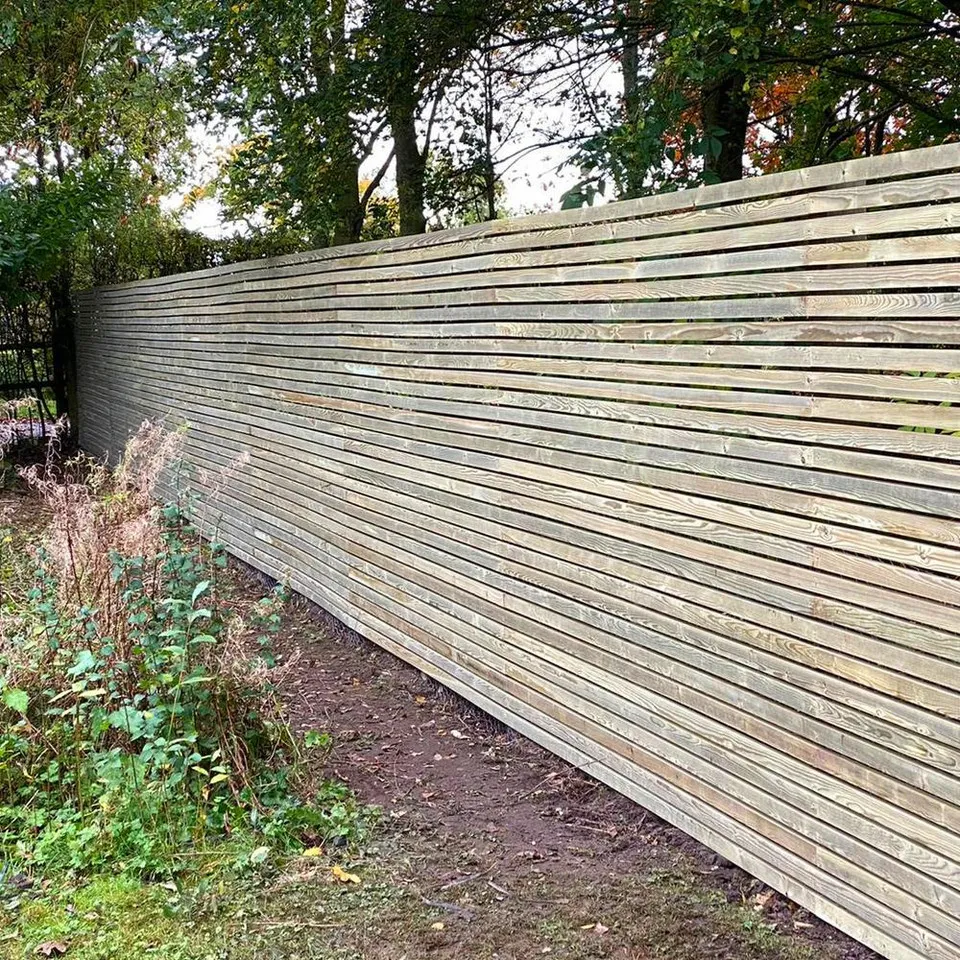
Which Timber Should I Choose for Garden Fencing?
There isn't a single best timber for every fencing project. The right choice depends on your budget, desired appearance, fence style, and expected lifespan.
|
Timber Species |
Typical Fencing Use |
Natural Durability |
Treatment Requirement |
Appearance |
Relative Cost |
|
Pine (Redwood) |
Fence panels, closeboard fencing, rails |
Low to moderate |
Usually pressure treated |
Traditional appearance |
£ |
|
Spruce |
Fence panels, palings, decorative fencing |
Low |
Usually pressure treated |
Light, uniform finish |
£ |
|
Douglas Fir |
Rails, framing, post-and-rail fencing |
Moderate |
Depends on application |
Strong grain pattern |
££ |
|
Larch* |
Slatted and decorative fencing |
Moderate to good |
Often used untreated or surface-finished |
Golden tones weathering to silver |
££ |
|
Western Red Cedar* |
Contemporary slatted fencing |
Good |
Naturally durable |
Rich reddish-brown weathering to silver-grey |
£££ |
|
Sweet Chestnut |
Post-and-rail and traditional fencing |
High |
Often used untreated |
Rustic appearance |
££-£££ |
|
Oak |
Heritage, bespoke and rural fencing |
High |
Often used untreated |
Characterful grain and natural appearance |
£££ |
*Availability varies by supplier and product range.
For most residential fencing projects, pressure-treated softwood remains the most practical and cost-effective choice. Naturally durable hardwoods and specialist softwoods may be worth considering for premium or decorative applications.
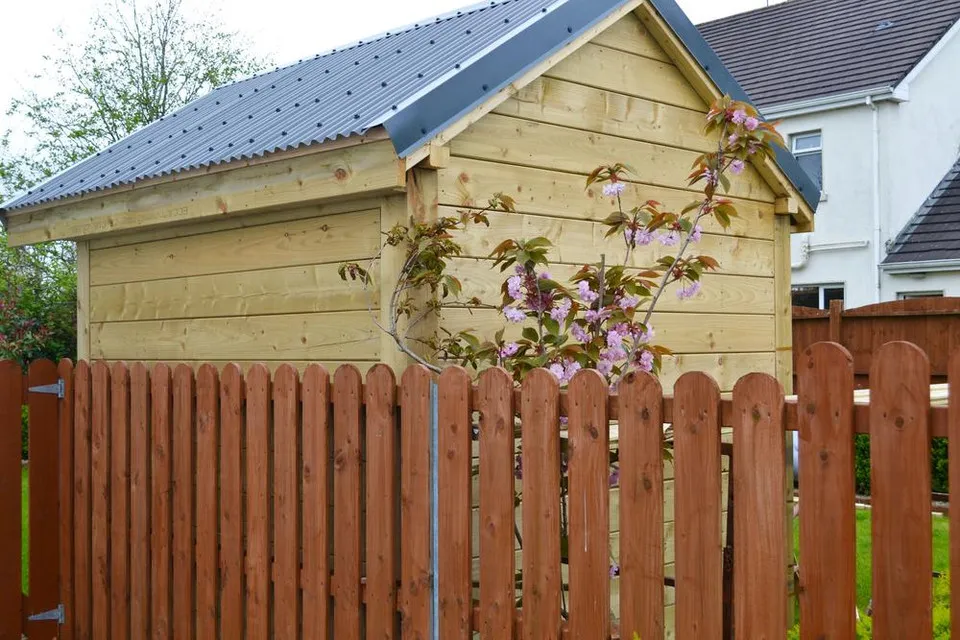
Softwood or Hardwood: Which Is Better for Fencing?
Neither softwood nor hardwood is universally "better" for fencing.
Softwoods are the most widely used fencing timbers in the UK because they're affordable, readily available, easy to work with, and respond well to pressure treatment. Properly treated softwood fencing can provide many years of service while remaining cost-effective.
Hardwoods typically offer greater natural durability and strength, often requiring less preservative treatment. However, they generally come with a higher purchase cost and are less commonly used for standard garden fencing.
For most garden fences, pressure-treated softwood provides the best balance of cost, performance, and longevity. Hardwoods tend to be preferred for premium, rural, agricultural, or heritage-style fencing projects.
Pine (Redwood) for Fencing
Pine, often sold as redwood, is one of the most commonly used timbers for fencing in the UK. It is widely used for fence panels, feather-edge boards, rails, and fence posts.
One of pine's biggest advantages is its ability to absorb preservative treatments effectively. This makes pressure-treated pine particularly suitable for outdoor applications where protection against rot, fungal decay, and insect attack is required.
Benefits of pine fencing include:
- Affordable and widely available
- Takes pressure treatment extremely well
- Easy to cut, install, and repair
- Can be painted, stained, or finished to suit different garden styles
Because of its versatility and value, pressure-treated pine remains one of the most popular choices for domestic garden fencing.
Spruce for Fencing
Spruce is another commonly used fencing softwood. Lightweight and relatively easy to work with, it is frequently used in fence panels, palings, and decorative fencing products.
Although spruce has limited natural durability, pressure treatment significantly improves its performance outdoors. Its consistent pale colour and fine grain can also make it attractive for painted or stained fencing systems.
Spruce is often chosen where affordability is a key consideration and where fencing components are properly treated and maintained.
Douglas Fir for Fencing
Douglas Fir is stronger and denser than many commonly used fencing softwoods, making it well suited to structural fencing applications.
It is often used for:
- Fence rails
- Framing components
- Post-and-rail fencing
- Agricultural and rural fencing
Its pronounced grain pattern gives it a distinctive appearance, while its strength makes it useful in applications where rigidity and durability are important.
Larch for Fencing
Where available, larch is valued for its combination of durability and appearance.
Larch contains natural resins that help improve its resistance to moisture when compared with many other softwoods. It is often used for contemporary fencing designs, including slatted screens and feature fencing.
Over time, untreated larch typically weathers from a warm golden colour to a silver-grey patina, making it popular for naturalistic garden designs.
Western Red Cedar for Fencing
Western Red Cedar is a premium fencing timber often specified for contemporary garden designs.
It offers several benefits:
- Naturally durable
- Dimensionally stable
- Lightweight yet strong
- Attractive natural colouring
- Low maintenance requirements
Cedar is particularly popular for horizontal slatted fencing and modern architectural landscaping schemes. Its higher cost means it is generally chosen for premium fencing projects rather than standard boundary fencing.
Oak and Sweet Chestnut Fencing
Oak Fencing
Oak is one of the most durable timbers used in fencing and has a long history of use in rural and agricultural settings.
Its high tannin content contributes to natural durability, while its strength makes it well suited to bespoke fencing projects, estate boundaries, and heritage properties.
Sweet Chestnut Fencing
Sweet chestnut is widely valued for its natural resistance to decay and moisture.
Common applications include:
- Post-and-rail fencing
- Cleft chestnut fencing
- Agricultural boundaries
- Traditional rural fencing
Its rustic appearance and natural durability make it a popular alternative to treated softwood in certain applications.
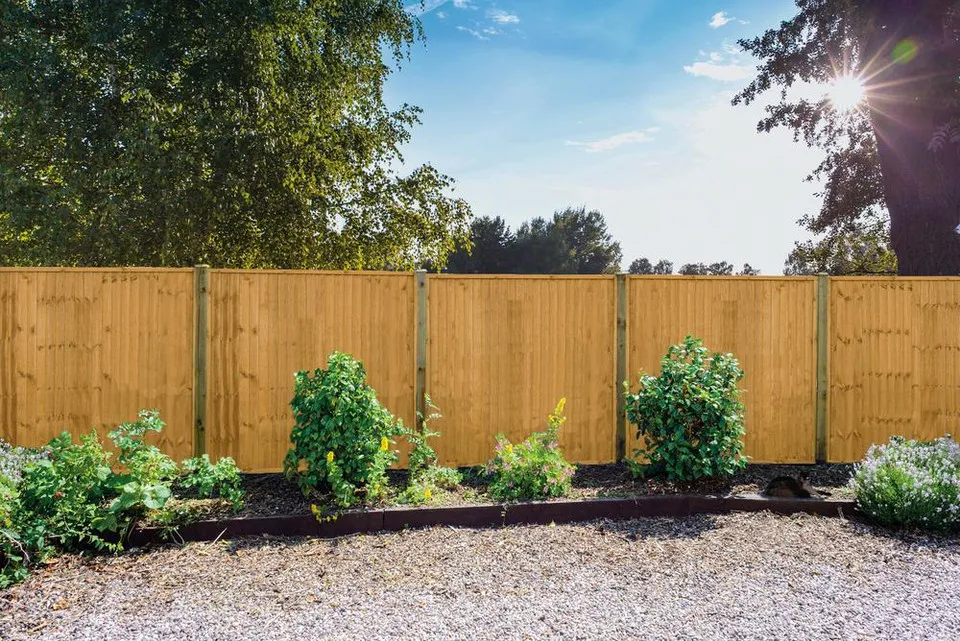
Does Fencing Timber Need to Be Pressure Treated?
In most cases, yes.
Pressure treatment forces preservative deep into the timber to help protect against rot, fungal decay, and insect attack. However, not all pressure-treated timber is designed for the same conditions.
Understanding UC3 and UC4 Timber
| Application | Recommended Treatment Class |
|---|---|
| Fence panels | UC3 |
| Fence rails | UC3 |
| Feather-edge boards | UC3 |
| Above-ground fencing components | UC3 |
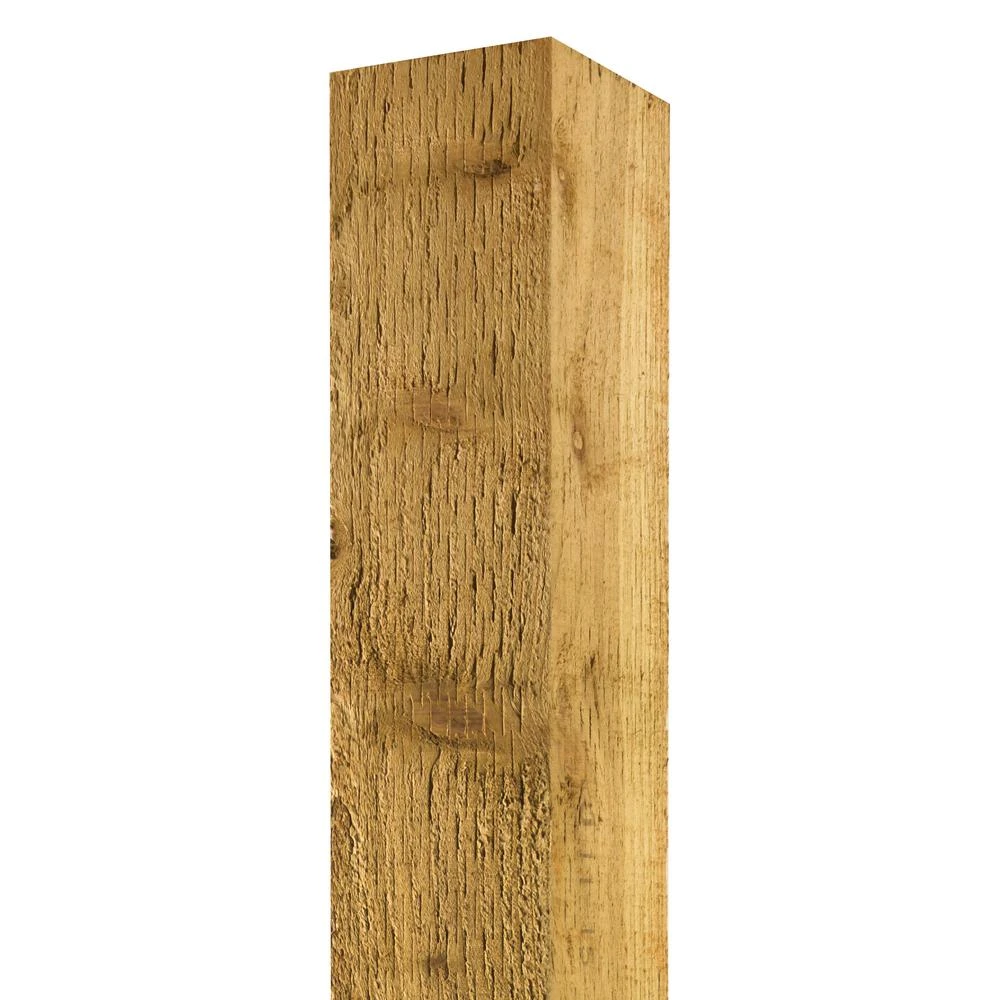
| Timber fence posts in direct ground contact | UC4 |
UC3 timber is designed for above-ground outdoor use and is suitable for most fence panels, rails, and boards.
UC4 timber is designed for direct ground contact and provides a higher level of protection against moisture and decay.
Importantly, pressure treated does not automatically mean suitable for ground contact. Fence posts installed into soil should typically be specified as UC4 treated timber to maximise service life.
For fence post projects, browse our range of UC4 treated fence posts.
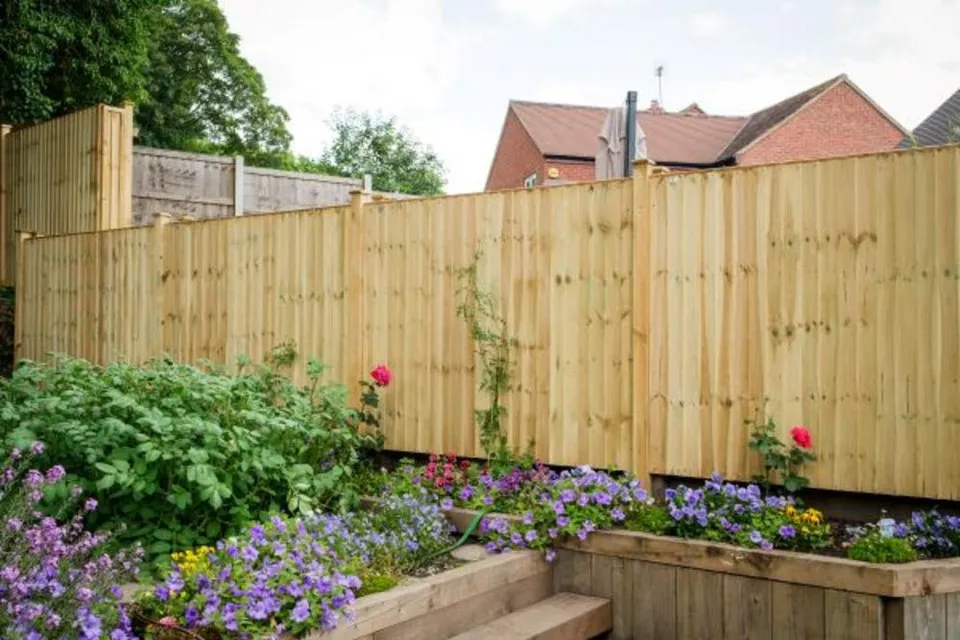
What Timber Should I Use for Fence Posts?
When choosing timber fence posts, the most important consideration is whether the post is suitable for ground contact.
For timber fence posts installed directly into the ground, look for:
- UC4 pressure treatment
- Suitable section size for the fence height
- Quality structural-grade timber
- Correct installation and drainage practices
While many fence components use UC3-treated timber, in-ground timber posts should typically be UC4 treated to provide the additional protection required below ground level.
For more detailed guidance on post sizes, installation methods, and choosing between timber and concrete posts, visit our Fence Posts category.
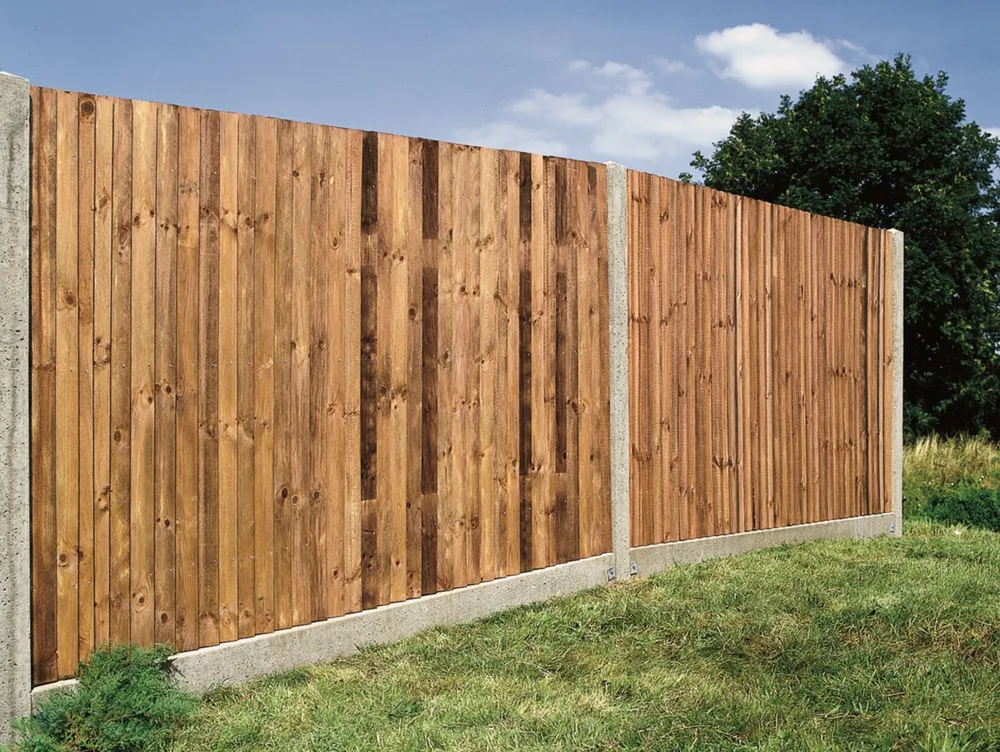
Matching timber species to fence style
| Fence Style | Timber to Consider | Why |
|---|---|---|
| Closeboard / Feather Edge | Pressure-treated softwood (pine/redwood) |
Strong, economical and widely available |
| Fence Panels | Pressure-treated pine or spruce |
Cost-effective and suitable for most gardens |
|
Contemporary Slatted Fencing |
Cedar, larch or premium softwood |
Clean appearance and modern aesthetics |
|
Douglas Fir |
Sweet chestnut or oak |
Strength and durability |
|
Picket / Palisade |
Pressure-treated softwood |
Easy to install and maintain |
|
Rural / Heritage Fencing |
Oak or sweet chestnut |
Traditional appearance and natural durability |
How Long Does Timber Fencing Last?
There is no single lifespan that applies to every timber fence.
As a general guide, timber fencing can last anywhere from 10 to 25 years or more depending on:
- Timber species
- Treatment class
- Ground contact exposure
- Drainage conditions
- Installation quality
- Maintenance regime
- Local weather conditions
- Whether cut ends have been properly treated
Pressure-treated fencing products typically last significantly longer than untreated timber, while naturally durable species such as oak and sweet chestnut can provide an extended service life when correctly installed.
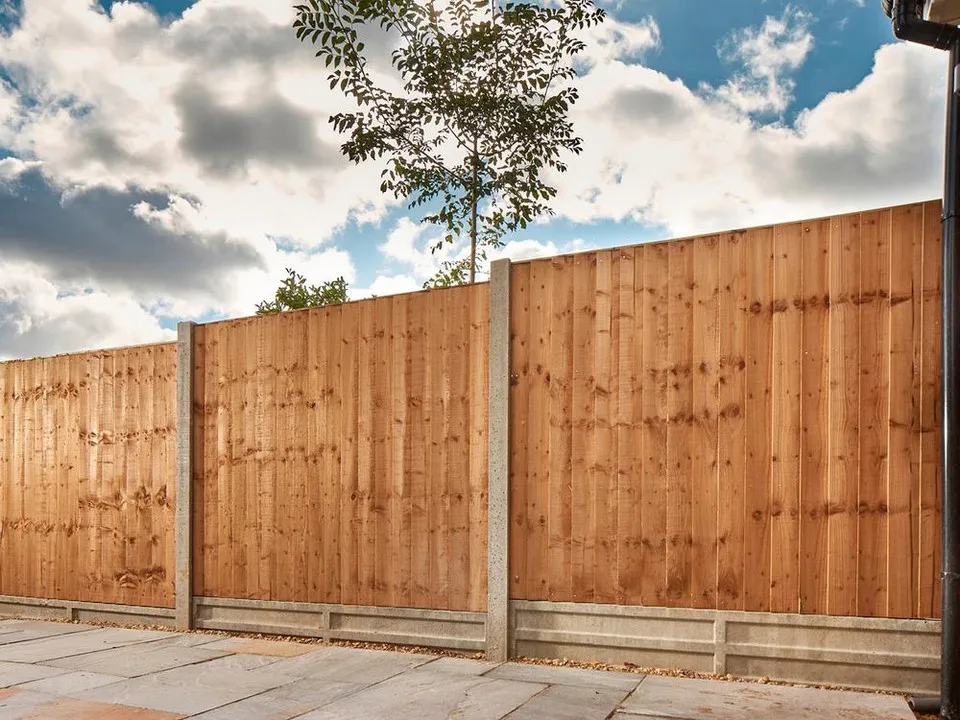
Find the Right Timber for Your Fencing Project
Choosing the right timber is only one part of planning a successful fencing project. The style of fence you build will also determine the posts, rails, boards, gravel boards, fixings, and accessories required to complete the installation.
At Howarth Timber, you'll find everything from fence panels and feather-edge boards to fence posts, rails and palings, gravel boards, and fencing fixings for a wide range of garden fencing applications.
If you're unsure which timber species, treatment class, or fencing products are best suited to your project, speak to the team at your local Howarth Timber branch for expert advice!
You may also be interested in...



Recent Posts
-

Choosing the Right Timber for Garden Fencing
Choosing the right fencing timber is one of the most important decisions you’ll make when planning a
-
How to prepare fencing for bad weather
As landscaping season comes to an end and colder, wetter weather sets in, it’s important to make sur
