
A Complete Guide to Wall Rendering

Rendering your walls is one of the most effective ways to protect your home, improve insulation, and give it a fresh, modern look. Whether you’re a DIY enthusiast or planning to hire a professional, understanding the process is key. This complete guide will walk you through everything from how to render a wall to choosing the right materials and estimating costs.

What is wall rendering?
Wall rendering involves applying a protective layer of material, such as cement, lime, or polymer-based render over brick, block, or concrete walls. This layer:
- Shields your walls from weather damage
- Improves insulation
- Enhances the overall appearance of your property
There are several types of renders to consider:
- Cement render – Cement is strong and durable, perfect for most exterior walls
- Lime render – Breathable, ideal for older homes prone to damp
- Acrylic render – Flexible and quick-drying, great for decorative finishes
- Polymer render – Durable and resistant to cracking
- Silicone rendering – Silicone is highly water-repellent, perfect for rainy climates
How much does it cost to render a house?
Before starting, it’s important to plan your budget. How much to render a house depends on wall size, type of render, and whether you hire professionals. On average:
- DIY rendering a single wall: £200-£500
- Professional rendering for an entire house: £4,000-£10,000
Knowing how much it costs to render a house helps you weigh DIY versus hiring experts.
Tools and materials you’ll need
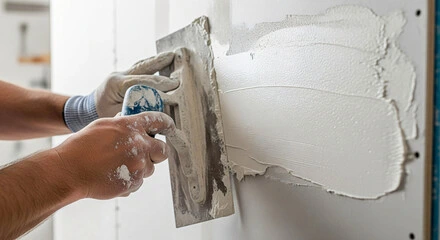
To achieve a smooth, lasting finish, you’ll need:
- Trowels and hawk
- Mixing bucket and drill mixer
- Float for smoothing
- Render mix (cement, lime, polymer, or acrylic)
- Protective gloves and goggles
- Water and brush
A step-by-step on how to render a wall
1. Prepare the surface
Clean the wall thoroughly, removing dust, dirt, and loose mortar. Repair cracks and slightly dampen brick walls to improve render adhesion.
2. Mix the render
Correct mixing is crucial. If you’re unsure how to mix render, follow the manufacturer’s instructions. Aim for a thick, peanut butter-like consistency:
- Cement render: 1:4 cement-to-sand ratio
- Lime render: Lime, sand, and water to a smooth paste
- Polymer or acrylic render: Mix with water or bonding agent as instructed
3. Apply the base coat
Spread the render evenly with a trowel, about 10mm thick. Scratch the surface lightly to help the second coat stick.
4. Apply the finish coat
Once the base is set, add the finish coat. Smooth it with a float or trowel. Choose texture according to your wall type:
- Garden walls: Rustic or rough finish
- Home facades: Polished or acrylic finish
5. Curing and maintenance
Keep the wall damp for a few days to prevent cracks. Inspect periodically and repair minor cracks to extend the render’s lifespan.
Rendering specific walls
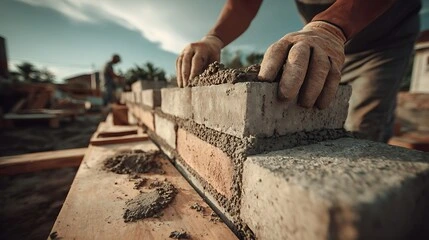
- How to render a brick wall: Clean thoroughly, remove loose mortar, and consider a bonding agent
- How to render a garden wall: Use water-resistant renders like silicone rendering or polymer render
- DIY tips: Always wear gloves and eye protection and use scaffolding safely for high walls!
Choosing between DIY and professional rendering
While DIY rendering can save money, achieving a flawless finish takes skill. Hiring a professional ensures longevity and high-quality results, which may justify the higher cost.
Knowing how to render a wall gives you the flexibility to transform your property with the right materials and techniques. From lime render to cement render, acrylic render, or polymer render, each option offers unique benefits. Whether tackling a garden wall or your entire home, a well-rendered wall enhances both aesthetics and durability.
If you have any more questions about rendering a wall, or you just need additional information about the products we sell at Howarth, please visit your local Howarth branch, or contact our customer services on 01472 907051.


Recent Posts
-
How to prepare fencing for bad weather
As landscaping season comes to an end and colder, wetter weather sets in, it’s important to make sur
-
UK Door Sizes
In the UK, there are various typical door sizes, and knowing measurements can be difficult and confu