
How to lay sleepers for garden edging
Adding sleeper garden edging is one of the easiest ways to create structure, define borders, and enhance the appearance of your garden or outdoor space. Whether you're separating flower beds from lawns, creating pathways, or designing a patio with a sleeper edge, timber sleepers offer a durable and attractive solution.
In this guide, we'll explain how to lay sleepers for garden edging, including the tools you'll need, preparation tips, and installation steps to help you achieve professional-looking results.
Adobe Stock
Why choose sleepers for garden edging?
Using sleepers for garden edging is a popular landscaping choice because sleepers are strong, versatile, and visually appealing. Available in a variety of finishes and sizes, they can complement both traditional and contemporary garden designs.
Some key benefits of garden edging sleepers include:
- Creating clear boundaries between lawns, beds, and pathways
- Helping to retain soil and mulch
- Improving drainage and reducing erosion
- Providing a neat, organised appearance
- Offering a long-lasting landscaping solution
Many homeowners like to choose railway sleepers garden edging for their character and robust structure, making them ideal for larger landscaping projects. You can also choose between a range of different sleepers materials, such as softwood sleepers and wooden sleepers.
Tools and materials you'll need
Before learning how to lay sleepers for garden edging, gather the following:
- Timber sleepers
- Tape measure
- Wooden stakes and string line
- Spirit level
- Spade or trenching shovel
- Drill and suitable screws or timber fixings
- Rubber mallet
- Gravel or compacted hardcore (optional)
- Weed membrane (optional)
Adobe Stock
Step 1: Plan your sleeper edging layout
Start by deciding where your sleeper edging will be installed. Mark the edge using string lines, spray paint, or a garden hose to envision the finished design.
Consider whether you're creating:
- A border around flower beds
- A pathway edge
- Raised planting areas
- A patio with sleeper edge
- Lawn separation
Careful planning ensures your sleepers fit neatly within your garden design.
Step 2: Measure and prepare the area
Measure the length of the area where the sleepers for garden edge will be installed. This will help determine how many sleepers you need and whether any cuts are required.
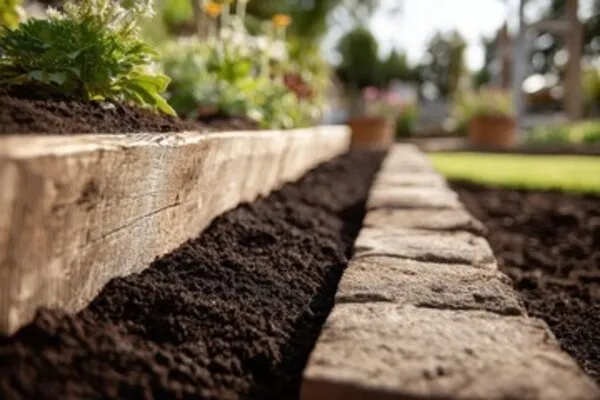
Next, remove any grass, weeds, stones, or debris from the installation area. For best results, dig a shallow trench approximately half the depth of the sleeper.
The trench should be level to ensure your sleeper garden edging sits evenly once installed.
Step 3: Create a stable foundation
For long-lasting results, it's important to create a firm base for your garden edging sleepers.
Depending on the project, you can:
- Compact the soil at the bottom of the trench
- Add a layer of gravel for improved drainage
- Install compacted hardcore for additional stability
This foundation helps prevent movement over time, particularly in areas with heavy rainfall or softer ground conditions.
Step 4: Position the sleepers
Place the sleepers into the trench and check they are level using a spirit level to ensure it is even.
When laying railway sleepers garden edging, ensure each sleeper sits flush against the next to create a seamless border. If necessary, adjust the trench depth until the sleepers are level throughout.
For curved designs, shorter sleeper sections may be required to follow the shape of the border more closely.
Step 5: Secure the sleepers
Once you're happy with the positioning, secure the sleepers to prevent movement.
Common fixing methods include:
- Timber screws joining adjacent sleepers
- Timber stakes driven into the ground behind the sleepers
- Metal rods or rebar fixed through pre-drilled holes
The appropriate fixing method will depend on the height and purpose of the sleeper edging.
Step 6: Backfill and finish
After securing the sleepers, backfill any gaps around them with soil, gravel, or decorative aggregates. If you're installing sleepers for garden edging around flower beds, you can also add mulch to create a neat and finished appearance.
Finally, check all sleepers are secure and make any necessary adjustments.
Adobe Stock
Ideas for using sleeper garden edging
There are many creative ways to incorporate sleeper garden edging into your outdoor space:
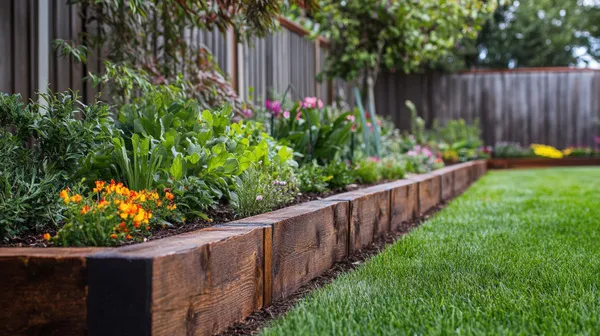
Define flower beds
Create clear borders around planting areas to keep beds tidy and organised.
Edge a patio
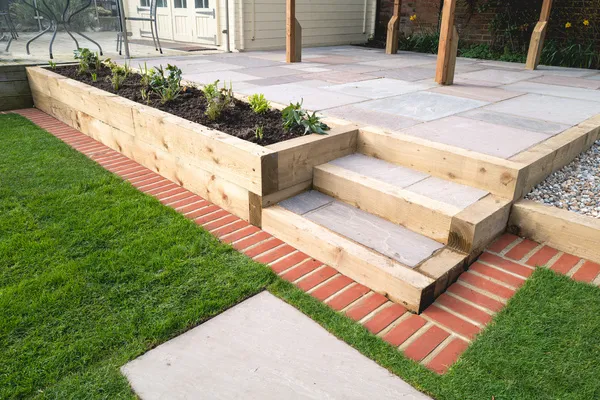
A patio with sleeper edge can create a stylish transition between paving and surrounding landscaping, while also helping to contain gravel or decorative stone.
Separate lawn and borders
Using sleepers for garden edge installation can reduce lawn encroachment into flower beds and simplify maintenance.
Build raised features
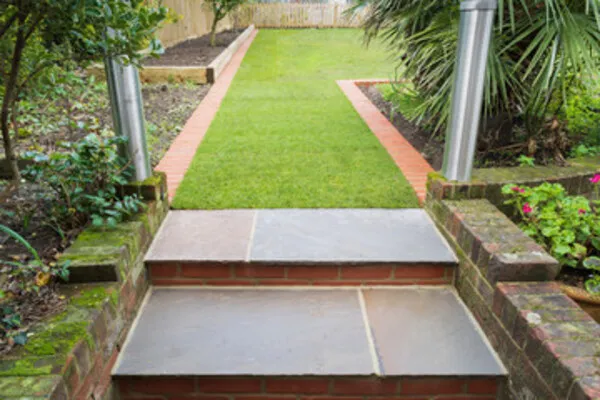
Stacked garden edging sleepers can be used to create raised garden beds, retaining walls, or terraced garden areas.
Adobe Stock
Maintaining your sleeper edging
To keep your railway sleepers garden edging looking its best:
- Inspect fixings annually
- Remove weeds growing around the edging
- Clean away moss and debris
- Apply a suitable wood treatment if recommended by the manufacturer
- Replace damaged sleepers as needed
With proper care, timber sleeper edging can provide years of reliable performance!
Learning how to lay sleepers for garden edging is a straightforward project that can transform the look and functionality of your garden. Whether you're installing simple borders, decorative sleeper garden edging, or creating a stunning patio with a sleeper edge, sleepers offer a practical and attractive landscaping solution.
If you have any more questions about how to lay sleepers for garden edging, or you just need additional information about the products we sell at Howarth, please visit your local Howarth branch, or contact us today on our customer services on 01472 907051.
Recent Posts
-
What is roof flashing?
Roof flashing is a thin, weather-resistant material installed at roof junctions and other vulnerable
-
How to fix a leaking roof from the inside
It's usually alarming when you see a leak pouring through your roof, but don't worry! Fortunately, y