
How to use bark chippings in your garden
Whether you’re looking to refresh flower beds, create tidy pathways, or reduce the time spent weeding, bark chippings is one of the most versatile additions you can make to your outdoor space. Affordable, practical, and visually appealing, it’s a popular choice for gardeners wanting to improve both the appearance and maintenance of their garden.
In this guide, we’ll cover the benefits, where to use it, and how to lay bark mulch properly for long-lasting results.
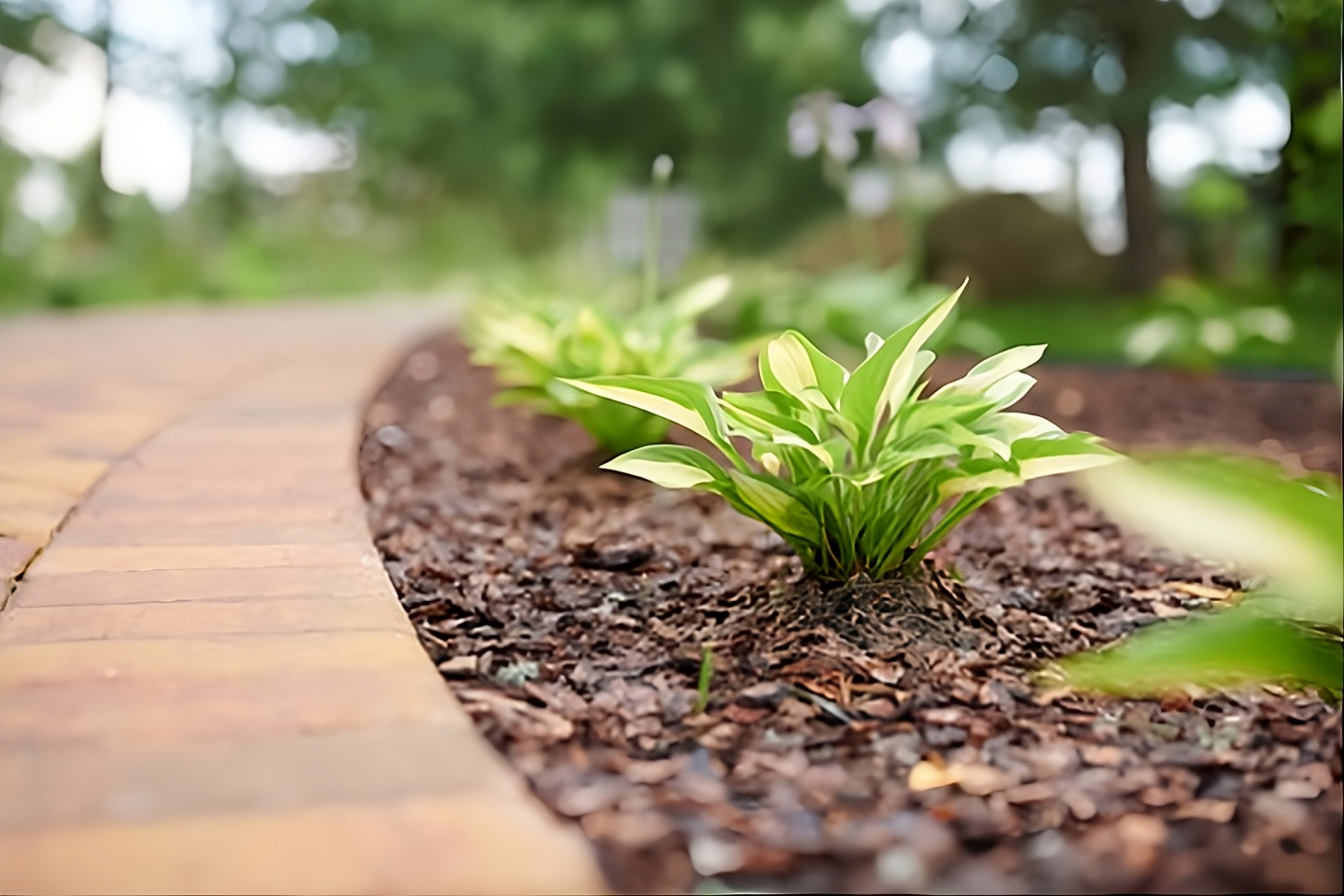
What are bark chippings?
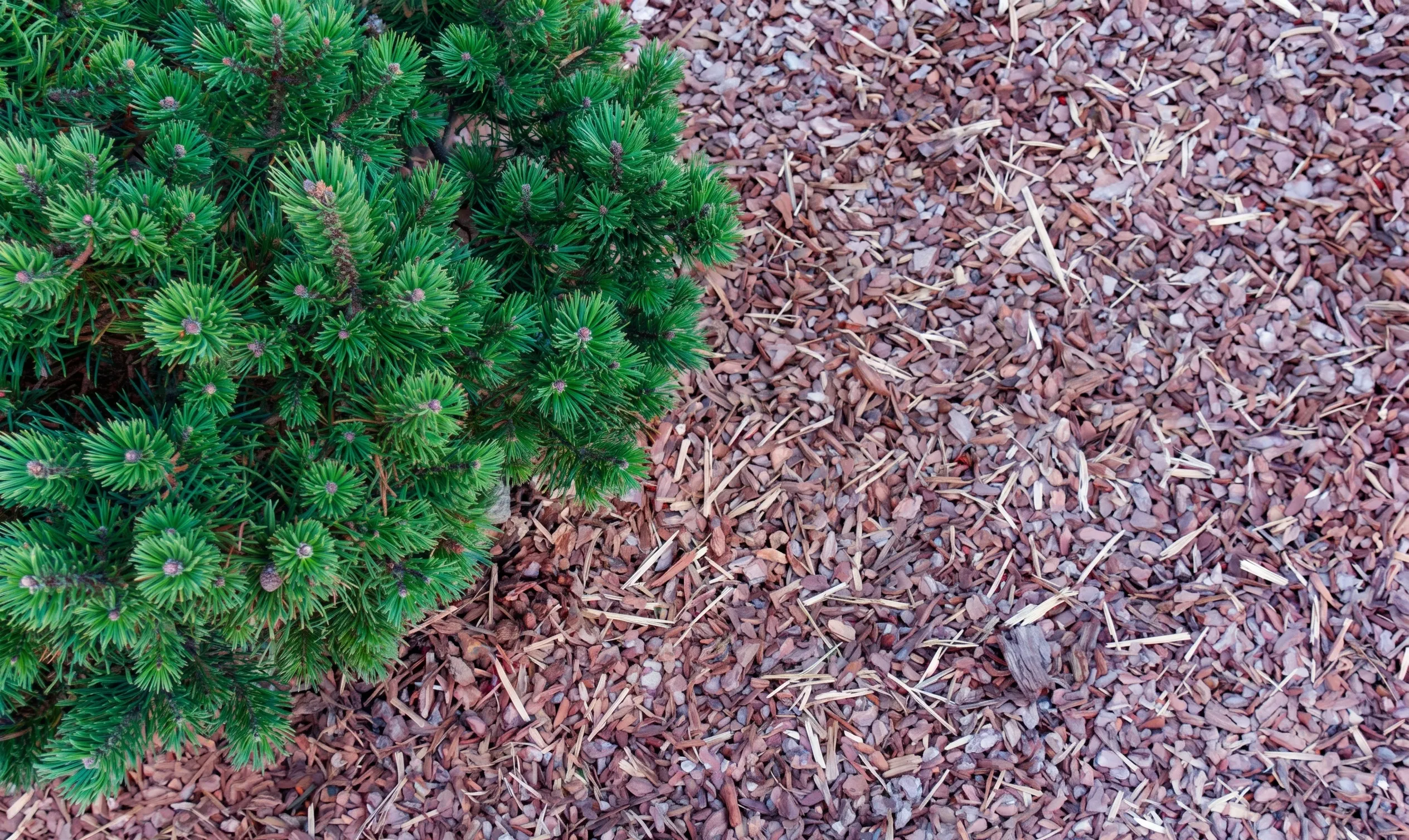
These are pieces of shredded or chipped tree bark commonly used as a mulch or decorative surface in gardens. Available in a range of textures, colours, and sizes, they can be used for everything from flower beds to pathways and play areas.
Many homeowners choose decorative bark chippings to instantly enhance the look of borders and landscaped areas while also protecting the soil underneath.
Benefits of bark chippings for gardens
There are several reasons why this material remains a go-to landscaping choice.
Helps suppress weeds
One of the most common questions gardeners ask is: do bark chippings stop weeds?
While they won’t completely eliminate weeds forever, bark mulch can significantly reduce weed growth by blocking sunlight from reaching the soil. Applying a thick enough layer makes it difficult for weeds to germinate and spread.
For even better weed prevention, lay a weed membrane beneath your garden bark chips before spreading the mulch on top.
Retains moisture
During warmer months, soil can dry out quickly. Garden bark chippings help the soil retain moisture by reducing evaporation, meaning plants stay hydrated for longer and require less frequent watering.
Protects plant roots
Mulch acts as an insulating layer that helps regulate soil temperature. In winter, it protects roots from frost, while in summer it keeps soil cooler during hot weather.
Improves garden appearance
Freshly laid bark can instantly neaten borders, pathways, and planting areas. Its natural appearance complements most garden styles, from modern landscaping to rustic cottage gardens.
Reduces maintenance
Using garden bark chips can cut down on regular garden maintenance by limiting weed growth, reducing soil erosion, and helping borders stay tidy throughout the year.
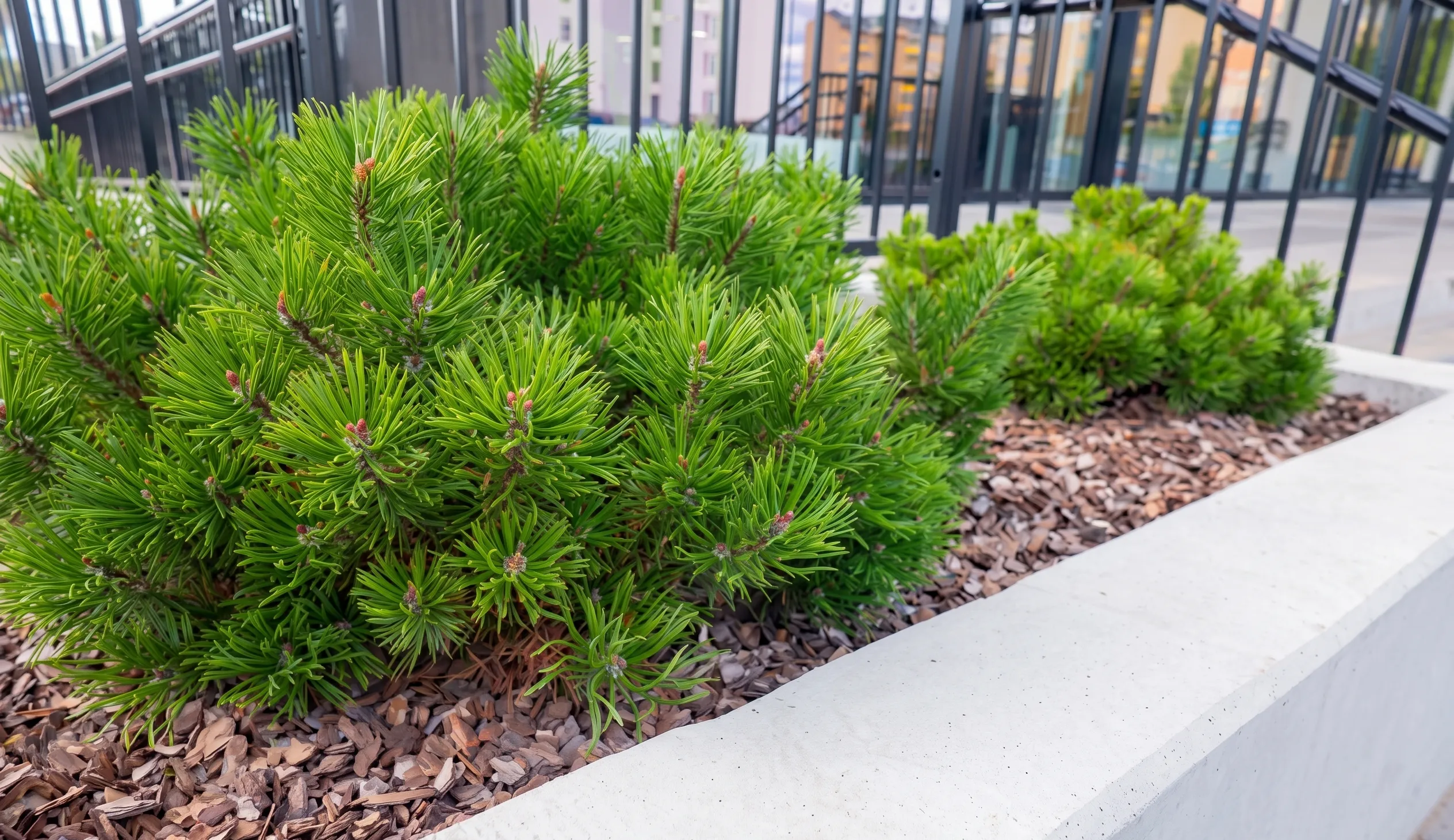
Where can you use bark mulch?
There are many practical and decorative uses for this material around the garden.
Flower beds and borders
Perhaps the most popular use, mulch creates a clean finish around plants while improving soil protection and moisture retention.
Garden pathways
Garden bark chips are often used for informal pathways due to their soft texture and natural appearance. They work particularly well in woodland gardens or family-friendly outdoor spaces.
Around trees and shrubs
Adding mulch around the base of trees and shrubs helps prevent weeds from competing for nutrients and water.
Play areas
Some types of bulk bark chippings are specially designed for children’s play areas, helping to provide a softer surface under swings and climbing frames.
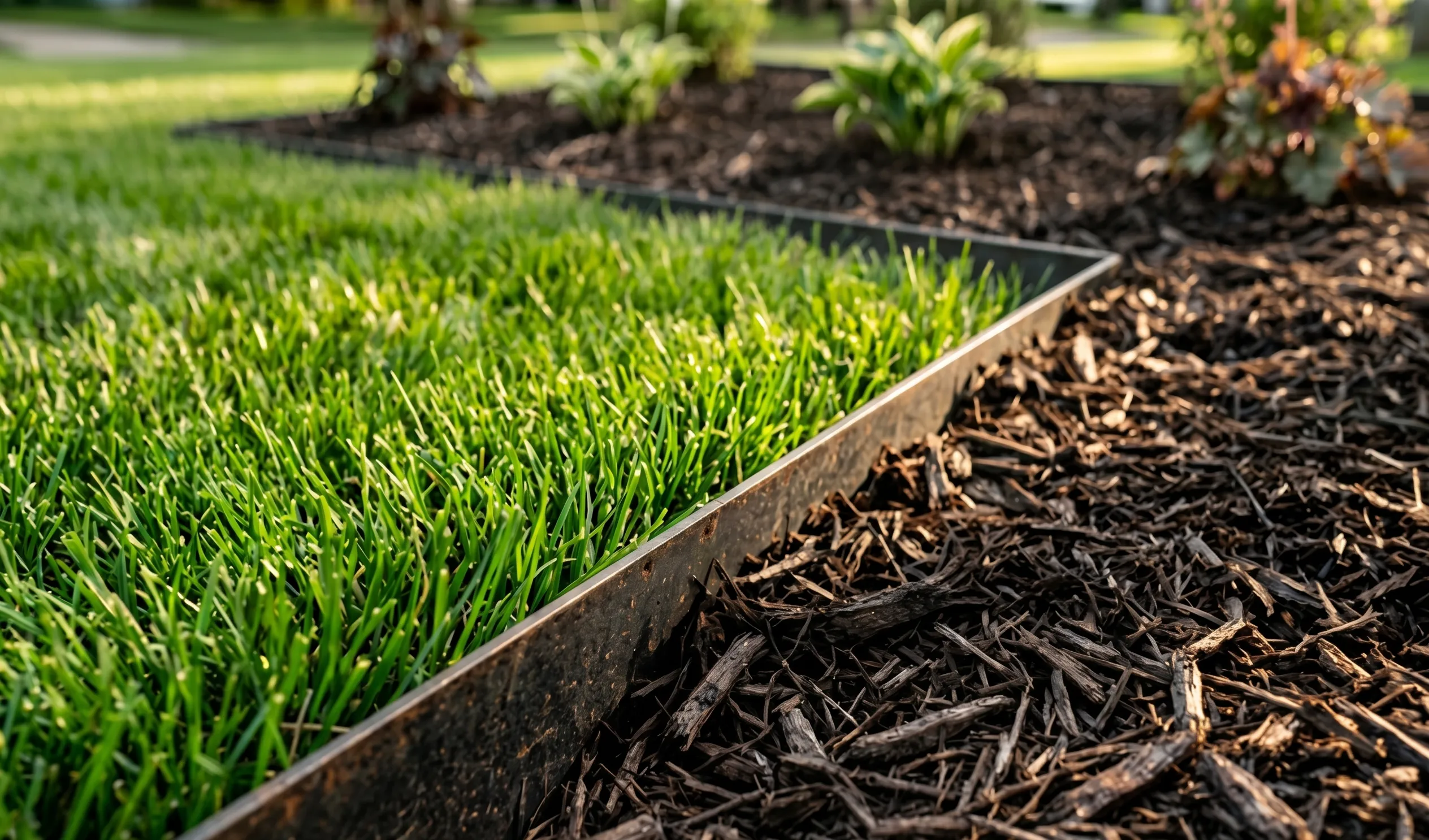
How to lay bark chippings
If you want professional-looking results, it’s important to know how to lay bark chippings correctly.
1. Clear the area
Start by removing weeds, stones, and debris from the area where the mulch will be placed.
2. Prepare the soil
Water the soil lightly if it’s dry and consider adding compost or fertiliser beforehand, as the bark layer will sit on top once applied.
3. Install weed membrane (Optional)
If weed prevention is a priority, lay a weed control membrane across the area before adding your mulch.
4. Spread the bark evenly
Pour and rake the material across the surface to create an even layer. Aim for a depth of around 5–10cm for effective weed suppression and moisture retention.
5. Keep bark away from plant stems
Avoid piling mulch directly against stems or tree trunks, as excess moisture can cause rot over time.
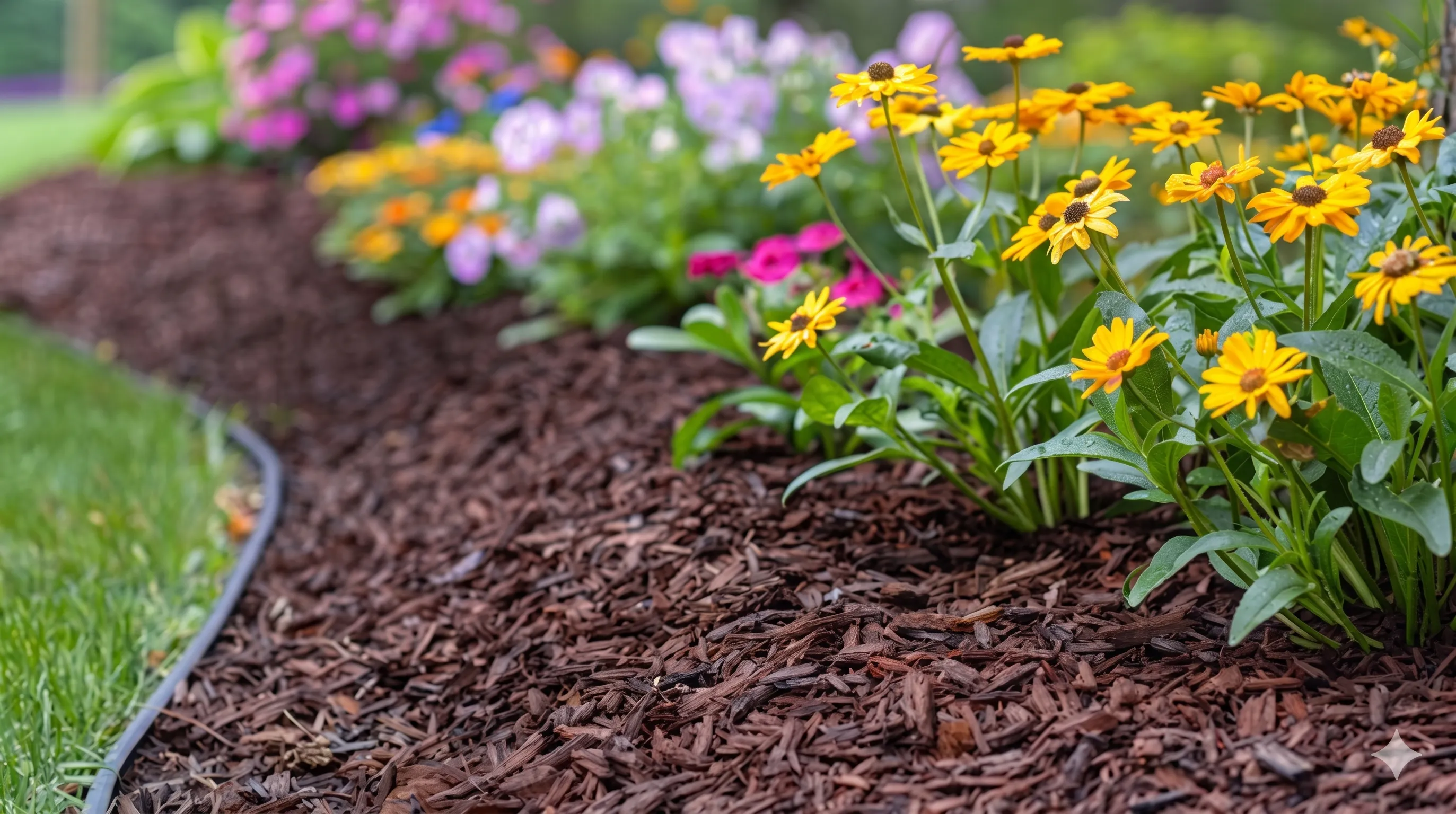
Should you buy bulk bark chippings?
For larger gardens or landscaping projects, purchasing bulk bark chippings is often the most cost-effective option. Bulk quantities are ideal for:
- Large flower beds
- Pathways
- Commercial landscaping
- Children’s play areas
- Multi-area garden renovations
Buying in bulk can also help ensure colour and texture consistency across your garden design.
Choosing the right decorative bark chippings
Not all mulch looks the same. When selecting decorative bark chippings, consider:
- Bark size and texture
- Colour tone
- Longevity
- Intended use
- Drainage requirements
Larger pieces tend to last longer, while finer grades provide a more compact finish.
How often should bark be replaced?
Over time, garden bark chippings naturally break down into the soil. Most mulch will need topping up every 1–3 years depending on weather conditions, foot traffic, and the type used.
Refreshing the surface annually helps maintain both appearance and effectiveness.
Final thoughts
From improving moisture retention to reducing weeds and enhancing visual appeal, bark mulch is a simple but effective way to upgrade your outdoor space. Whether you’re creating pathways, tidying borders, or using bulk bark chippings for a larger landscaping project, it offers both practical and decorative benefits.
By learning how to lay bark chippings correctly and choosing the right material for your garden, you can create a cleaner, lower-maintenance outdoor area that looks great all year round.
If you have any more questions about bark chippings, or you just need additional information about the products we sell at Howarth, please visit your local Howarth branch, or contact us today on our customer services on 01472 907051.
Recent Posts
-
What is roof flashing?
Roof flashing is a thin, weather-resistant material installed at roof junctions and other vulnerable
-
How to fix a leaking roof from the inside
It's usually alarming when you see a leak pouring through your roof, but don't worry! Fortunately, y