
How to remove skirting boards
Whether you're replacing old skirting boards, installing new flooring or redecorating a room, knowing how to remove skirting boards properly can save you time, money and unnecessary repairs. While it may seem like a straightforward job, rushing the process can leave you with damaged plaster, broken timber or uneven walls.
In this guide, we'll explain the best way to remove skirting boards, the tools you'll need and how to avoid common mistakes.
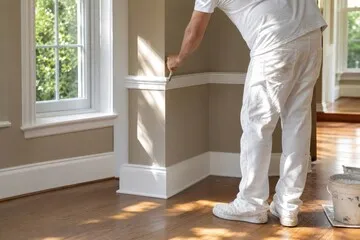
Why remove skirting boards?
There are several reasons why you may need to remove skirting boards, including:
- Replacing damaged or outdated skirting.
- Fitting laminate, engineered wood or hardwood flooring.
- Accessing wiring or pipework hidden behind the skirting.
- Replastering or renovating a room.
- Decorating for a cleaner, more professional finish.
If your skirting boards are still in good condition, taking care during removal means they can often be reused.
Tools you'll need
Before you begin, you’ll need the following tools:
- Utility knife
- Filling knife or decorator's scraper
- Pry bar or crowbar
- Hammer
- Wide wood chisel
- Protective gloves
- Dust sheet
- Pencil (to label boards if reusing them)
A dedicated skirting board removal tool can also make the process easier. These tools are designed to lift the board away from the wall while spreading pressure more evenly, helping to reduce damage to both the skirting and plaster.
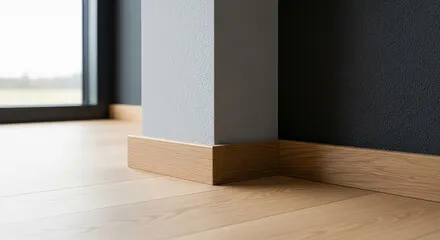
How to remove skirting boards
1. Score along the top edge
Using a sharp utility knife, carefully cut through any paint or decorator's caulk where the skirting meets the wall.
This prevents paint and plaster from peeling away when you remove the board.
2. Find a gap
Insert a filling knife or wide scraper between the wall and the skirting board. Wiggle it gently to create enough space for a pry bar.
Starting at one end or near an existing joint usually makes the job easier.
3. Carefully pry the board away
Place your pry bar behind the skirting and gently lever it away from the wall.
Work slowly along the length of the board rather than trying to pull one section away completely. This spreads the pressure and reduces the chance of snapping the timber.
4. Remove nails or adhesive
Once the board is loose, pull it away carefully.
If it's fixed with nails, use the claw of a hammer or pincers to remove them. If adhesive has been used, you may need to gently work the board free with your chisel before lifting it away.
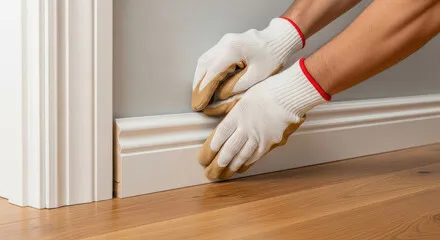
Tips for removing skirting boards without damaging them
When removing skirting boards, a few simple precautions can make all the difference:
- Work gradually along the entire length.
- Place a thin piece of wood behind your pry bar to protect the wall.
- Never force stubborn sections.
- Score paint thoroughly before lifting.
- Remove any remaining nails before storing or reinstalling the boards.
Taking your time will usually result in less filling and decorating afterwards.
Can you remove skirting boards without damaging the wall?
Yes. In most cases, minor filling is unavoidable, but careful removal significantly reduces repairs.
Older properties may have brittle plaster, so extra care is needed. Using a wide scraper alongside your pry bar helps spread the pressure across the wall.
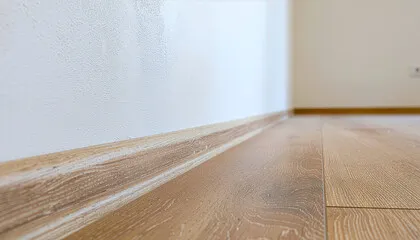
How to cut skirting boards without removing from the wall
Sometimes you don't need to remove the entire board. So if you're wondering how to cut skirting board without removing from wall, the easiest method is to use an oscillating multi-tool fitted with a wood-cutting blade.
This allows you to make neat, controlled cuts while the skirting remains fixed in place. It's commonly used when:
- Installing built-in furniture.
- Creating space for new pipework.
- Trimming around door frames.
- Making repairs to a damaged section.
Always check for hidden pipes or electrical cables before cutting into any wall or skirting board!
Common mistakes to avoid
Avoid these common errors when carrying out skirting board removal:
- Pulling the board away in one movement.
- Forgetting to score painted edges.
- Using excessive force.
- Damaging plaster by prying in one location only.
- Throwing away reusable boards before checking their condition.
Frequently asked questions
What's the best way to remove skirting boards?
The best way to remove skirting boards is by first cutting through any paint or caulk, then gradually easing the board away using a pry bar or specialist skirting board removal tool. Working slowly along the length of the board helps minimise damage.
Can I reuse skirting boards after removing them?
Yes. If they're removed carefully and remain in good condition, skirting boards can often be cleaned, repainted and reinstalled.
What is a skirting board removal tool?
A skirting board removal tool is a specialist lever designed to safely separate skirting boards from walls while reducing damage to plaster and timber. It's particularly useful if you plan to reuse the boards.
Is it difficult to remove skirting boards?
Most DIYers can remove skirting board successfully using basic hand tools. The job requires patience rather than strength, especially if you want to avoid damaging the wall.
Understanding how to remove skirting boards is a useful DIY skill that can make decorating, flooring projects and home renovations much easier. By using the right tools and working carefully, you can remove skirting boards with minimal damage and even reuse them if they're still in good condition!
We also have other blogs you can check out on skirting boards, such as how to paint skirting boards, and how to fit them.
If you have any more questions about how to remove skirting boards, or you just need some additional information about the products we sell at Howarth, please visit your local Howarth branch or contact our customer services on 01472 907051.
Recent Posts
-

Choosing the Right Timber for Garden Fencing
Choosing the right fencing timber is one of the most important decisions you’ll make when planning a
-
How to prepare fencing for bad weather
As landscaping season comes to an end and colder, wetter weather sets in, it’s important to make sur
