
Flat roof coverings compared: felt, EPDM, GRP and liquid roofing
In the UK, the most common flat roof coverings are EPDM rubber roofing, GRP fibreglass, torch-on felt and liquid roofing systems. Each offers its own advantages, making it suitable for different projects, budgets, lifespans and installation requirements.
It can be difficult to know where to start with such a wide range of options available. However, in this guide, we’ll compare the main types of flat roof coverings, explain their key benefits and uses, and help you choose the most suitable solution for your property!
Which flat roof covering should I choose?
|
Consideration |
Felt |
EPDM |
GRP |
Liquid Roofing |
|
Typical applications |
Garages, sheds, extensions, commercial flat roofs |
Extensions, garages, garden rooms, residential and commercial flat roofs |
Extensions, garages, balconies, dormers, walkable roof areas |
Refurbishment projects, balconies, terraces, roofs with complex details |
|
Key advantages |
Cost-effective, widely available, suitable for most flat roofs |
Long lifespan, highly weather-resistant, flexible, low maintenance |
Seamless waterproof finish, durable, impact-resistant, attractive appearance |
Seamless application, ideal for irregular roof shapes, can be applied over existing substrates, minimal disruption |
|
Key considerations |
May have a shorter lifespan than some modern alternatives and can require periodic maintenance |
Higher upfront cost than felt, and may not provide the same rigid finish as GRP |
Typically more expensive than felt and EPDM, with installation dependent on suitable weather conditions |
Installation quality is critical, curing times vary by product |
|
Installation considerations |
Usually installed as torch-on or self-adhesive layers; professional installation recommended |
Supplied in large membrane sheets with fewer joints, helping speed up installation |
Resin and fibreglass matting are applied on-site to create a solid waterproof surface |
Applied as a liquid coating that cures to form a seamless waterproof membrane |
|
Relative cost |
£ |
££ |
£££ |
££-£££ |
|
Products |
View GRP Roofing Products |
What materials can be used for flat roofing?
Roofing Felt
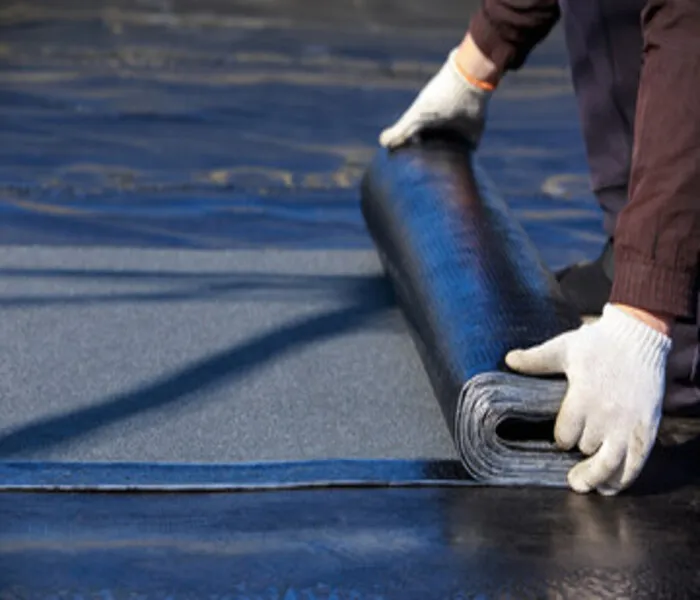
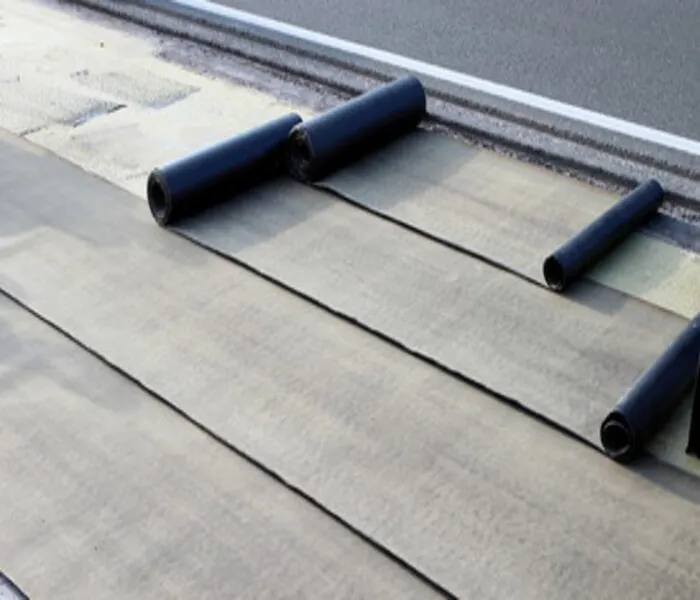
Roofing felt is a bitumen-based waterproof membrane used on flat and low-pitched roofs to prevent water ingress. Modern felt roofing systems are typically reinforced with polyester or fibreglass for improved strength and durability.
Common types include:
- Shed felt - a lightweight felt designed for garden buildings and other non-liveable structures.
- Self-adhesive felt - a cold-applied option that doesn't require heat during installation.
- Torch-on felt - a heavier-duty system where layers of modified bitumen are bonded together using a gas torch, making it one of the most common flat roof felt coverings for garages, extensions and commercial buildings.
Roofing felt is often chosen for garages, extensions, porches, dormers and garden rooms because it offers reliable waterproofing at a relatively affordable price point. Another advantage is that damage can often be repaired without replacing the entire roof.
However, felt roofs contain multiple seams and joints, meaning installation quality is critical. They may also have a shorter lifespan than some modern alternatives such as EPDM or GRP if a lower-specification system is used.
As a guide, basic shed felt may last around 10-15 years, while high-performance multi-layer torch-on systems can typically achieve 15-30 years, depending on the product, installation quality and maintenance.
From an installation perspective, shed felt and some self-adhesive products may be suitable for competent DIYers, whereas torch-on felt is generally best left to professionals. This is because of the use of an open flame which could present a significant fire risk, and specialist knowledge is needed to achieve correct bonding, detailing and weatherproofing.
EPDM Rubber Roofing
What is EPDM roofing?
EPDM roofing is a type of roofing material made from a synthetic rubber called Ethylene Propylene Diene Monomer. It is well known for its durability, flexibility, and resistance to weathering - making it an excellent choice for residential and commercial buildings.
Key features of EPDM rubber roofing
- Durability: EPDM for roofs are well-known for their longevity and can withstand extreme weather conditions.
- Flexibility: The material is highly flexible, allowing it to adapt to varying temperatures and structural movements.
- Waterproofing: flat roof EPDM provides excellent waterproofing, making it ideal for them due to where water drainage might be a concern.
Ultimately, whether you're tackling a DIY project or working on a commercial installation, EPDM flat roofing felt provides a reliable and efficient solution. You can also read more about our selection of EPDM rubber roofing on our blog.
GRP fibreglass roofing
What is GRP Roofing?
GRP stands for Glass Reinforced Plastic (also widely known as fibreglass roofing). It is a composite material made by combining a thermosetting polyester or polyurethane resin with chopped strand glass fibre matting.
Key benefits of GRP roofing consist of durability (lasts 25 to 30 years), walkable (rigid enough to handle light foot traffic), and low maintenance (it resists rot, moss and chemical erosion).
On our website, we have a Cure It range, where you can view of our GRP roof products.
Liquid applied roofing and roof coating systems
Liquid roofing products can be used for everything from minor repairs to complete roof refurbishments, so it's important to understand the differences before choosing a solution for a liquid roof.
Complete liquid-applied roofing systems are designed to form the primary waterproofing layer on a roof. Applied as a liquid and cured into a seamless membrane, they're commonly used for complex roof designs where traditional sheet materials can be difficult to install.
Roof coatings and maintenance products are used to protect and extend the life of an existing roof rather than replace it.
Liquid resins and topcoats used within other roofing systems should not be viewed as a roofing type. For example, the resin used in a GRP fibreglass roof forms part of the overall system and works alongside reinforcing materials to create the finished waterproof surface.
If you're looking for the best product for waterproofing a flat roof, the right choice will depend on whether you're repairing an existing roof, extending its lifespan, or installing a completely new waterproofing system.
What is the best flat roof covering for a shed?
EPDM rubber membrane is considered the best flat roof covering for a shed because of its superior durability, single-piece seamless application, and 30-to-50-year lifespan.
What is the best flat roof covering for a garage?
The best flat roof covering for a garage depends on the roof's size, condition, budget, and expected lifespan. While EPDM rubber roofing is often a popular choice due to its durability and low maintenance requirements, GRP fibreglass, felt roofing, and liquid-applied systems can also be suitable depending on the project.
Unlike a garden shed, a garage roof is typically larger, protects more valuable contents, and is expected to provide reliable performance for many years. This makes factors such as longevity, durability and maintenance requirements particularly important when choosing the right flat roofing system.
Which flat roof covering lasts longest?
Generally, EPDM rubber roofing and GRP fibreglass roofing are considered the longest-lasting flat roof coverings, but the lifespan of any flat roof depends on the specific system used, installation quality, roof design, maintenance, and exposure to weather conditions.
This is because even the most durable roofing system can have its lifespan reduced by several factors, such as poor installation, inadequate drainage and a lack of ongoing maintenance.
What makes a flat roof last?
Choosing the right roof covering is only part of creating a long-lasting flat roof. Equally important are the design, installation quality, and supporting components used throughout the system.
A durable flat roof should have:
- Adequate falls and drainage to allow water to run off effectively.
- Minimal ponding water, which can place additional stress on roofing materials.
- A suitable roof deck or substrate to support the chosen roofing system.
- Correct detailing at edges, upstands, rooflights, vents, outlets, and other penetrations.
- Compatible trims, flashings, adhesives, and accessories designed for the selected roofing system.
- Installation carried out in appropriate weather conditions and in accordance with the manufacturer's instructions.
By ensuring all parts of the roofing system work together, you can maximise performance, reduce maintenance requirements, and help extend the roof's lifespan.
Find the right flat roofing system for your project
Whether you're carrying out a repair, refurbishment, or complete roof replacement, Howarth stocks a wide range of flat roofing products to suit your project. Our range includes felt roofing, EPDM rubber roofing, GRP fibreglass roofing, as well as the trims, adhesives, flashings, fixings, and accessories needed to complete the installation.
You can shop our wide range of flat roofing products on our website and also find your nearest branch for easier click and collection options.
Recent Posts
-
Flat roof coverings compared: felt, EPDM, GRP and liquid roofing
In the UK, the most common flat roof coverings are EPDM rubber roofing, GRP fibreglass, torch-on fel
-
What is roof flashing?
Roof flashing is a thin, weather-resistant material installed at roof junctions and other vulnerable