
What is roof flashing?
Roof flashing is a thin, weather-resistant material installed at roof junctions and other vulnerable areas to help prevent water ingress.
It is commonly fitted around chimneys, skylights, vents and roof valleys, as well as where the roof meets external walls. By creating a watertight seal, flashing helps channel rainwater away from these areas and protects the roof structure from leaks and moisture damage.
Want to find out more? Read on as we explain what roof flashing is, where it’s used, and why it plays such an important role in keeping your roof weatherproof!
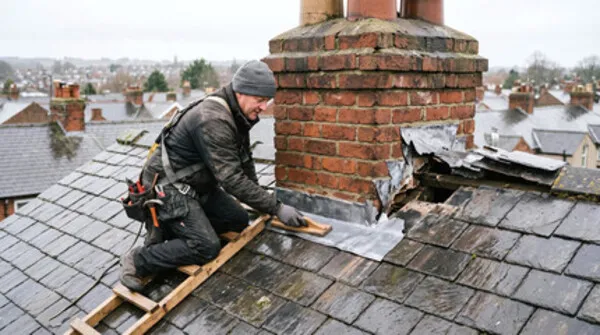
Where is roof flashing used?
Roof flashing is installed anywhere on a roof where there is a change in direction, a junction, or a penetration that could allow water to enter. Common locations where you'll find flashing on a roof include:
- Around chimneys
- At skylights and roof windows
- Around soil pipes and ventilation outlets
- In roof valleys where two roof slopes meet
- Along abutments where a roof meets a wall
- Around dormer windows
- At changes in roof pitch or roof design
In each of these areas, flashing for roof applications helps direct rainwater away from gaps and joints, reducing the risk of leaks and water damage.
What is roof flashing made from?
Several materials can be used for roof flashing, depending on the roof type, budget and performance requirements. The most common option in the UK is roof lead flashing, which is rated for its durability, flexibility and resistance to corrosion.
Other flashing materials include:
- Aluminium
- Zinc
- Copper
- Stainless steel
- Plastic or rubber flashing systems
Lead remains one of the most popular choices of roof flashing to date due to how it can be shaped to fit complex roof details while providing long-lasting weather protection.
Ultimately, when people ask "what is flashing on a roof?", lead flashing is often what they're referring to, as it has been used on UK properties for generations due to its proven reliability and longevity.
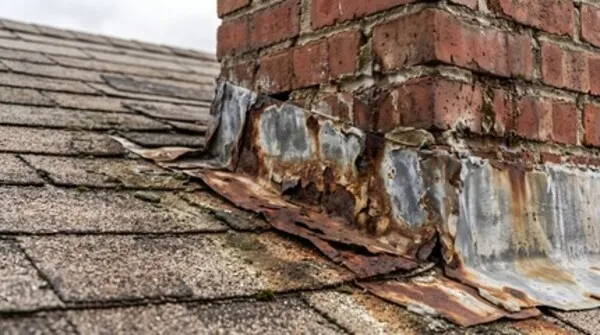
Flashing on a flat roof
While flashing is commonly associated with pitched roofs, flashing on a flat roof is equally important. Flat roofs rely on carefully installed flashing to prevent water from penetrating vulnerable edges and junctions.
Common flat roof flashing applications include:
- Perimeter edges
- Upstands and parapet walls
- Rooflight installations
- Pipe penetrations
- Roof-to-wall junctions
Because water drains more slowly on flat roofs than on pitched roofs, ensuring flashing is correctly fitted is essential for maintaining a weatherproof roof covering.
Why is roof flashing important?
Without properly installed roof flashing, water can find its way beneath roofing materials and into the roof structure.
Over time, this can lead to issues such as:
- Roof leaks
- Damp and mould growth
- Rotting timbers
- Damage to insulation
- Internal decoration repairs
Whether it's a traditional flashing roof installation around a chimney or specialist detailing on a modern roofing system, flashing plays a key role in protecting both the roof and the property below.
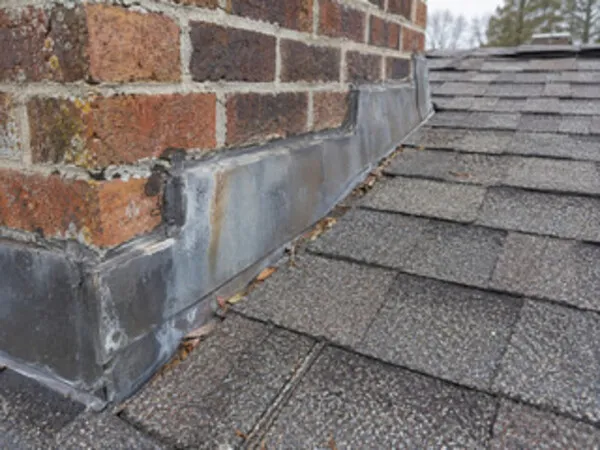
Does roof flashing need replacing?
Like any roofing component, flashing can deteriorate over time. Cracks, lifting, corrosion or poor installation can all affect performance and increase the risk of leaks.
Signs that flashing on a roof may need attention include:
- Visible gaps or splits
- Loose or lifted flashing
- Water staining in loft spaces
- Damp patches on internal walls or ceilings
- Signs of corrosion on metal flashing
Regular roof inspections can help identify issues early and ensure your flashing on the roof continues to provide effective protection against the elements.
Roof flashing is a small but essential component of any roofing system, helping to prevent water ingress at vulnerable junctions, edges and penetrations. By ensuring your roof flashing remains in good condition and replacing damaged sections when needed, you can help extend the lifespan of your roof and maintain its performance for years to come!
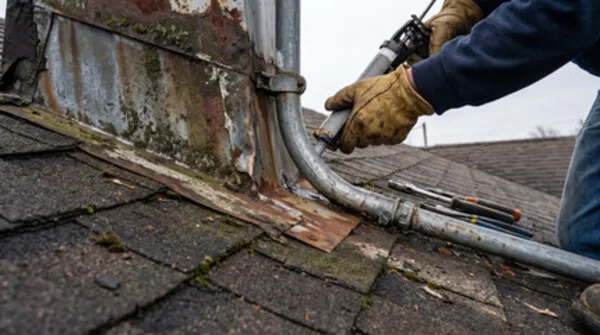
At Howarth, we stock a wide range of roof flashing and other roofing products for your house project. Alongside that, we also have other online products you can browse in our roofing category to add to your project, such as roof tiles, roof ventilation, and roof battens.
If you're unsure on how to check your roof flashing for visible gaps, or just need further information about some of the products we sell at Howarth, you can speak to the team at your local Howarth Timber branch for expert advice!
Recent Posts
-
What is roof flashing?
Roof flashing is a thin, weather-resistant material installed at roof junctions and other vulnerable
-
Behind the build with the Chester Branch
Our Chester branch has been working in collaboration with a local family-owned construction business