
How to Choose Roofing Underlay for a Pitched Roof
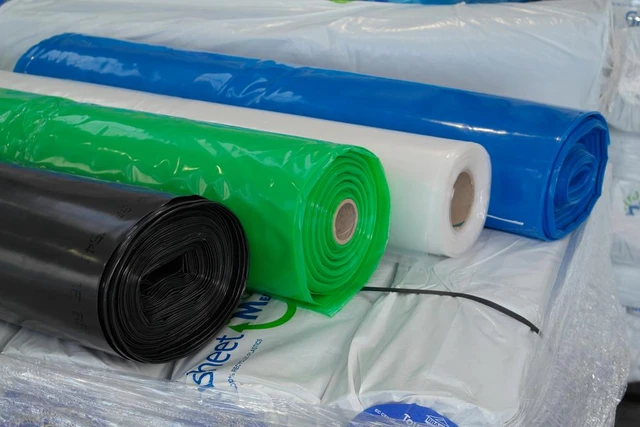
Roofing underlay is a water-resistant or waterproof barrier installed directly onto the roof deck (plywood or OSB) beneath the outer roofing material. It is often made of materials such as shingles, tile or metal.
It’s important to pick the right roof underlay product due to how it can act as an extra defence if wind-driven rain, snow or ice push past the outer roof covering (which would be highly inconvenient given today’s unpredictable weather!)
Therefore, this blog will go through the different processes in how to choose roofing underlay for a pitched roof.
What type of roofing underlay do I need?
The right felt roofing underlay will depend on the specific requirements of your roof. When choosing a roofing membrane, consider:
- Roof construction – The design and build-up of the roof can affect which underlay is suitable.
- Roof covering – Different underlays may be recommended for tiled and slated roofs.
- Breathability and vapour resistance – Some membranes allow moisture vapour to escape, while others require additional ventilation.
- Ventilation requirements – The roof's ventilation should work alongside the chosen underlay to help manage condensation.
- Strength and durability – Consider the level of protection required during installation and throughout the roof's lifespan.
- Exposure and weather conditions – Roofs in more exposed locations may require higher-performance underlays.
- Compatibility with the wider roofing system – The underlay should work effectively with the roof covering, battens, insulation and ventilation
- Relevant standards and certification – Always choose products that meet the appropriate industry standards and performance requirements.
- Manufacturer requirements – Follow the guidance provided by the roofing system and roof covering manufacturer to ensure compliance and performance.
There is no single roofing underlay that is right for every project. The best choice will depend on the roof type, covering material, environmental conditions and the overall roofing system specification.
What is the difference between breathable and non-breathable roofing underlay?
Breathable roofing underlay allows water vapour from inside the building to pass through the membrane and escape, helping to reduce the risk of condensation within the roof structure.
Whereas non-breathable roofing underlay is more resistant to water vapour and does not allow moisture to pass through as easily, so additional roof ventilation is typically required to help control condensation.
What roofing underlay should I use under roof tiles?
The best roofing underlay for use beneath roof tiles will depend on the design of your roof and the requirements of the wider roofing system:
- The roof construction – Different roof designs may require different types of underlay and ventilation arrangements.
- Breathability and moisture management – Some underlays are designed to allow water vapour to pass through, while others require additional ventilation to help control condensation.
- Ventilation requirements – The underlay should work alongside the roof's ventilation strategy and be installed in accordance with manufacturer guidance.
- Exposure to weather – Roofs in more exposed locations may require underlays with enhanced weather resistance and durability
- Compatibility with the roofing system – Ensure the underlay is suitable for use with the roof tiles, battens, insulation and other roofing components.
- Relevant standards and certifications – The selected membrane should meet the performance requirements for the application.
- Manufacturer recommendations – Always follow the guidance provided by both the underlay and roof tile manufacturers.
The most suitable underlay will vary from project to project, and if you're still deciding on the roof covering itself, see our roof tiles category for guidance on choosing the right tiles for your project.
What roofing underlay should I use under slate?
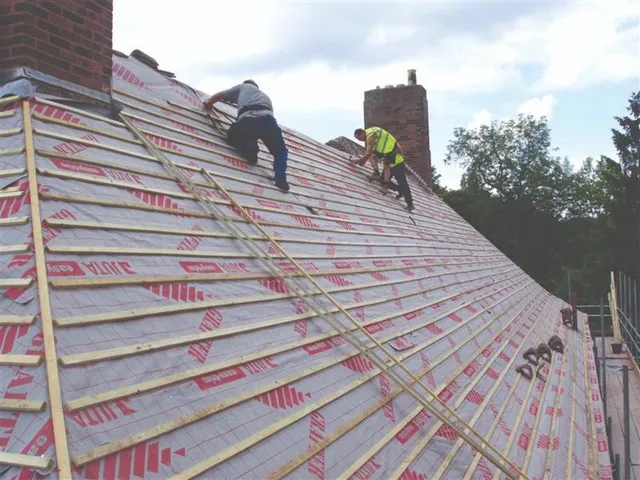
For slate, it’s important to use a Low Resistance breathable membrane, or a High Resistance traditional felt depending on your ventilation setup and building type.
Does weather and exposure affect which roofing underlay I need?
The weather and site exposure directly affects the type, performance rating and durability of the underlayment you need.
Rather than selecting an underlay based on geographic area, the most appropriate product should be chosen according to the roof’s exposure rating, construction details, and the roofing system requirements.
What is a pitched roof?
A pitched roof is a sloping roof with an angle greater than 10 degrees and typically forms an inverted ‘V’ shape where two sides meet at a central ridge.
How do I determine the pitch of a roof?
To calculate roof pitch of pitched roofing, divide the vertical rise of the roof by its horizontal span (the run of the roof). On our website, we have a roofing calculator, to which you can use for your project.
Find the right roofing underlay for your project
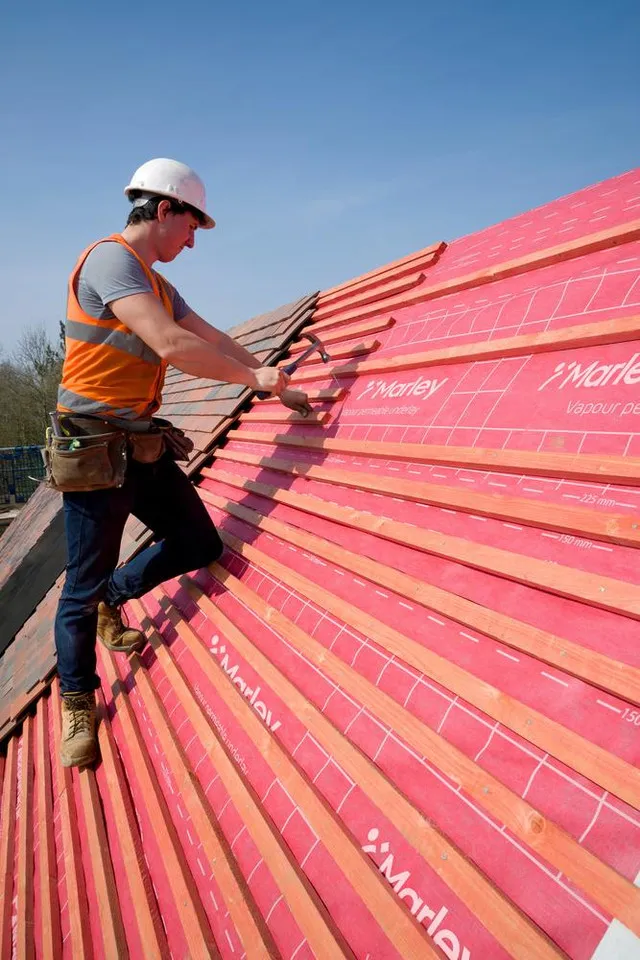
At Howarth, we stock a wide range of roofing underlays and other damp proof membranes for your house project. Alongside that, we have many online products in our roofing category to add to your project, such as roof tiles, roof ventilation, and roof battens.
If you're unsure which roofing underlay or roofing product to go for which is best suited to your project, speak to the team at your local Howarth Timber branch for expert advice!
Recent Posts
-
How to Choose Roofing Underlay for a Pitched Roof
Roofing underlay is a water-resistant or waterproof barrier installed directly onto the roof deck (p
-
From the TTJ Awards to the BMJ Industry Awards: More Success for Howarth
Following on from our recent success at the TTJ Awards, we are incredibly proud to announce that we