
Pros and Cons of Composite Decking
Composite decking is a popular alternative to traditional timber decking, offering a low-maintenance option for creating a stylish outdoor space. But while there are plenty of benefits of composite decking, there are also some potential disadvantages to consider before choosing it for your garden.
In this guide, we'll look at the composite decking pros and cons to help you decide whether it's the right choice for your project!
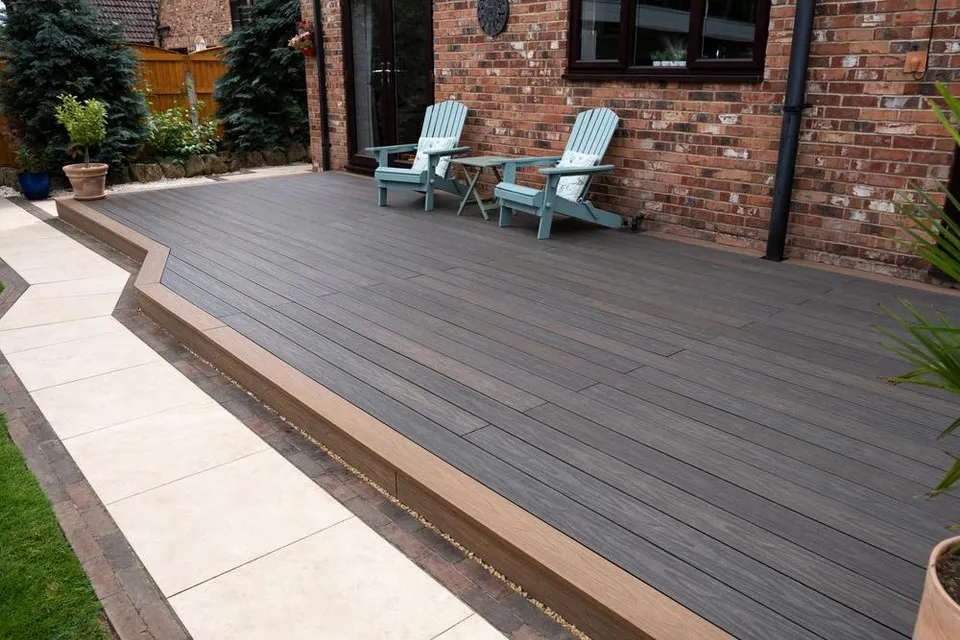
What is composite decking?
Composite decking is made from a combination of materials, typically wood fibres and recycled plastic. The materials are combined to create a durable decking board that can replicate the appearance of natural timber.
Composite decking is available in a range of colours and finishes, making it suitable for everything from contemporary gardens to more traditional outdoor spaces.
What are the benefits of composite decking?
There are several reasons why homeowners choose composite decking over traditional timber.
Low maintenance
One of the biggest benefits of composite decking is that it generally requires less maintenance than timber decking.
Timber decking may need regular staining, painting or sealing to help protect it from the weather. Composite decking doesn't usually require these treatments, meaning you can spend less time maintaining your decking and more time enjoying it.
Regular cleaning is still recommended to remove dirt, leaves and other debris. Always follow the manufacturer's cleaning and care instructions for your specific product.
Durable and long-lasting
Composite decking is designed to withstand regular use and changing outdoor conditions. Unlike timber, it is not susceptible to rot in the same way and is less likely to splinter when properly installed and maintained.
This makes it a practical choice for busy outdoor areas, including gardens used for entertaining, relaxing or dining.
The lifespan of a composite decking board will depend on the product, installation and conditions it is exposed to, so it's worth checking the manufacturer's specifications and warranty before buying.
A range of styles
Composite decking is available in a wide variety of colours, patterns and finishes.
Many products are designed to replicate the appearance of natural timber, while others offer a more contemporary finish. This makes it easier to find a style that complements your garden and existing outdoor furniture.
Unlike natural timber, composite boards also tend to have a more consistent appearance from board to board.
Less likely to splinter
One of the advantages of composite decking is that it is less likely to splinter than traditional timber decking.
This can be particularly useful if you regularly use your decking barefoot or have children using the garden. However, composite decking isn't completely resistant to damage, so boards should still be looked after according to the manufacturer's guidance.
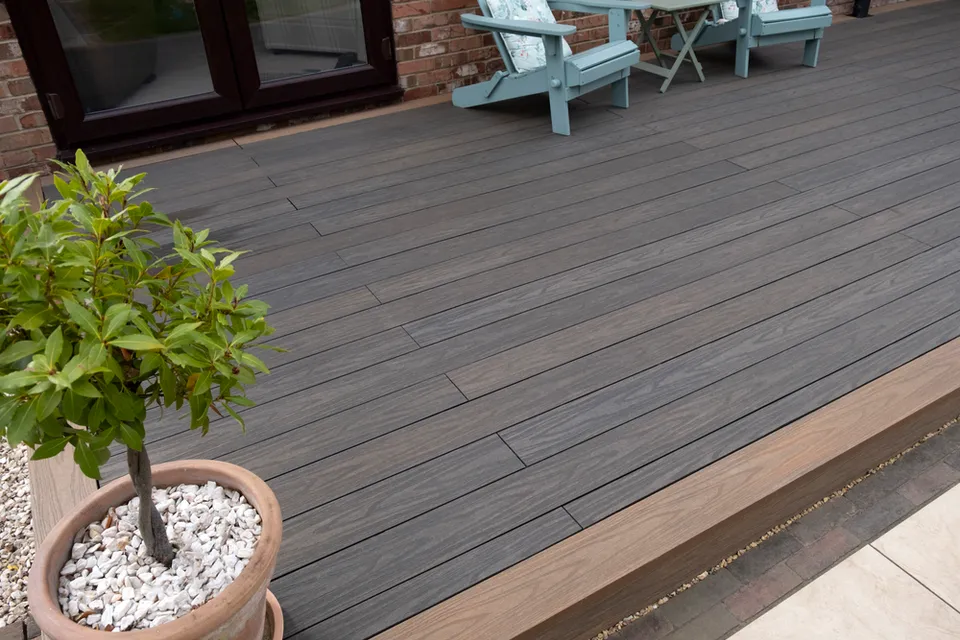
What are the disadvantages of composite decking?
While composite decking has plenty of advantages, there are some factors you should consider before making your decision.
Higher initial cost
One of the main disadvantages of composite decking is that it can have a higher upfront cost than some timber decking options.
However, the initial purchase price isn't the only cost to consider. Composite decking generally requires less ongoing maintenance, which could reduce the amount you spend on treatments such as stains, paints and sealants over time.
It's worth considering the overall cost of your decking throughout its lifespan rather than simply comparing the price of individual boards.
Can become hot in direct sunlight
Composite decking can become hot when exposed to strong sunlight, particularly darker-coloured boards.
If your decking is going to be positioned in an area that receives direct sunlight for much of the day, this is something to consider. Lighter colours may absorb less heat, although the performance will vary between products.
Can fade over time
Although modern composite decking is designed to be resistant to weathering and UV exposure, some colour change can occur over time.
The extent of fading will depend on the product and its exposure to sunlight. If maintaining the colour of your decking is important to you, check the manufacturer's product information before making your choice.
Repairs can be more difficult
If a timber decking board becomes damaged, it can often be sanded, treated or refinished. Composite decking doesn't offer the same flexibility.
Depending on the type of damage, you may need to replace the affected composite decking board. This is why correct installation and following the manufacturer's maintenance guidance are important.
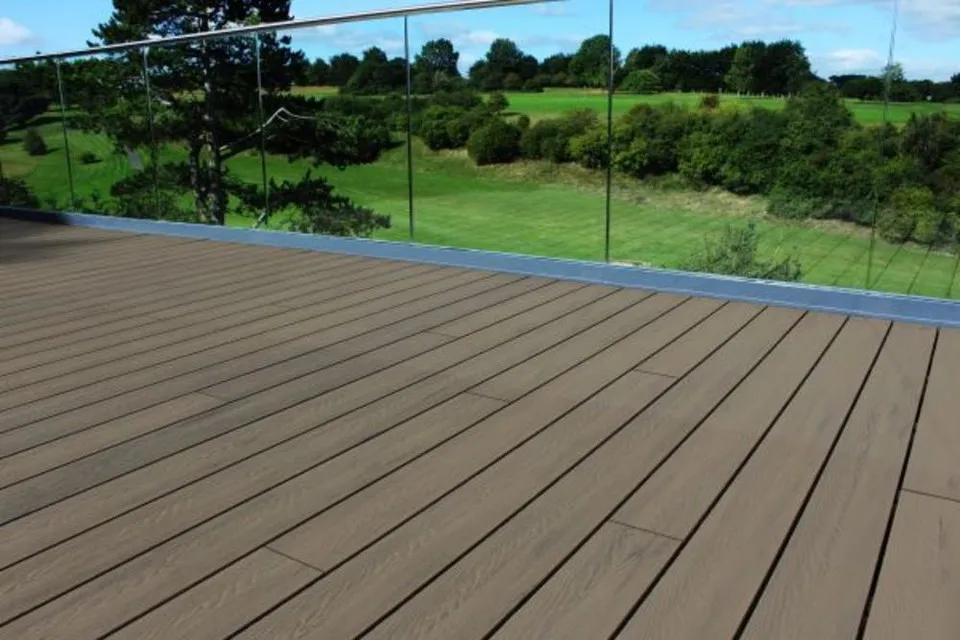
Is composite decking worth it?
Whether composite decking is worth the investment depends on what you want from your outdoor space.
If you're looking for a decking solution that is low maintenance, durable and available in a range of styles, composite decking could be a good choice. The higher initial cost may also be worthwhile if you want to reduce the amount of maintenance required over the years.
On the other hand, timber decking could be more suitable if keeping the initial cost down is your priority or if you prefer the natural character and appearance of real wood.
When choosing between the two, consider your budget, how often you'll use the decking and how much time you're prepared to spend maintaining it.
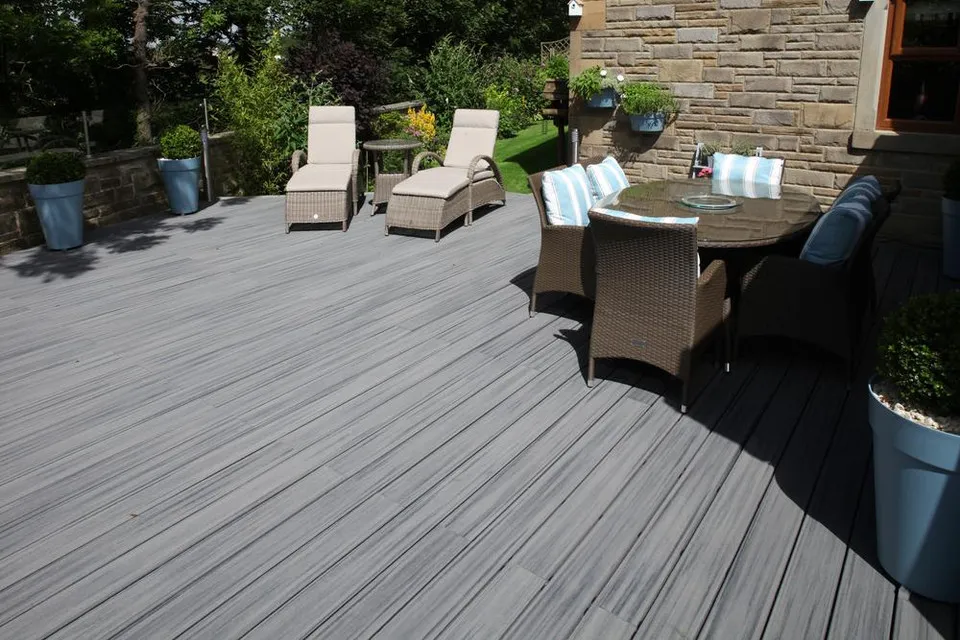
Composite decking: pros and cons at a glance
Pros:
- Low maintenance compared with many timber options
- Durable and designed for outdoor use
- Available in a range of colours and finishes
- Less likely to splinter than timber
Cons:
- Can have a higher initial cost
- Can become hot in direct sunlight
- Some products may fade over time
- Damaged boards can be more difficult to repair
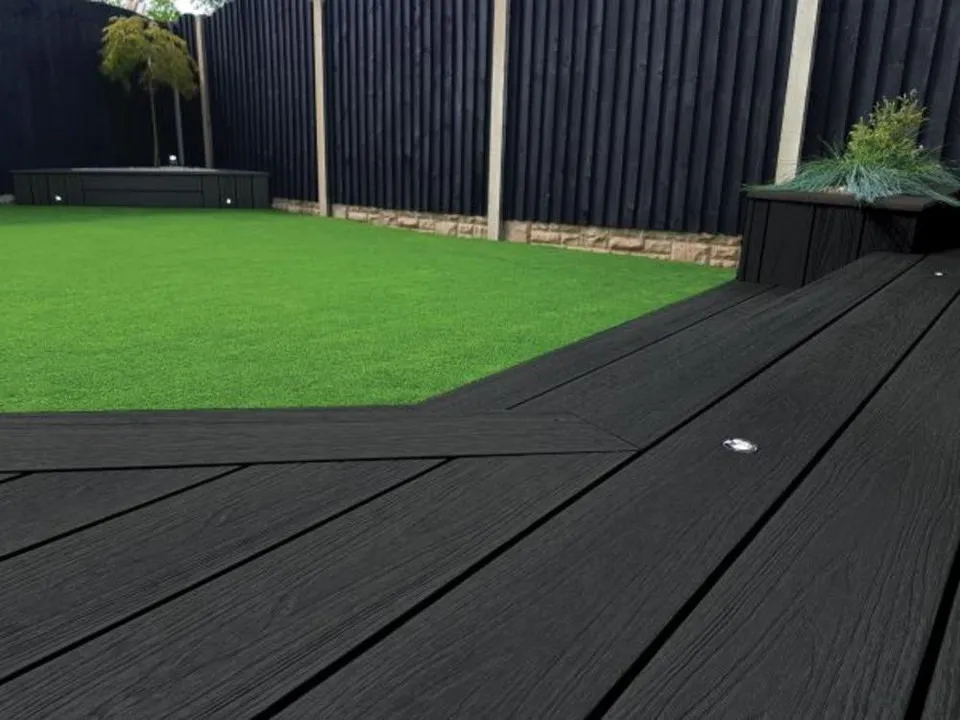
Ultimately, there isn't one decking material that's right for every garden. By weighing up the composite decking pros and cons, you can choose a solution that suits your outdoor space, budget and maintenance requirements!
If you have any more questions about the pros and cons of composite decking, or you just need some additional information about the products we sell at Howarth, please visit your local Howarth branch or contact our customer services on 01472 907051.
Recent Posts
-
What is roof flashing?
Roof flashing is a thin, weather-resistant material installed at roof junctions and other vulnerable
-
How to fix a leaking roof from the inside
It's usually alarming when you see a leak pouring through your roof, but don't worry! Fortunately, y