
Discover Different Types of Bricks
Bricks have been a cornerstone of construction for thousands of years and have offered durability and timeless appeal for centuries. Understanding the different kinds of bricks is crucial for any building project as each type have unique properties and uses.
From clay to concrete, bricks come in various forms and styles. So choosing the right brick can enhance the aesthetic and functionality of a structure. So, this guide will explore the many brick types to help you make an informed decision about which brick to choose!
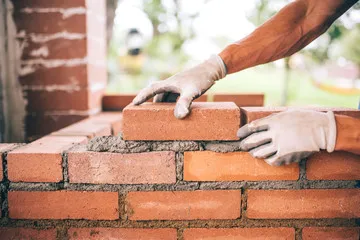
Main types of bricks used in construction
Understanding different brick types is vital for any construction project. Bricks vary by material, strength, and purpose. Each type meets unique structural needs.
Here are the main types:
- Clay bricks: Traditional and widespread
- Concrete bricks: Modern strength
- Fly Ash bricks: Eco-friendly option
- Sand-Lime bricks: Smooth finish
- Engineering bricks: Robust against wear
- Fire bricks: Heat resistance
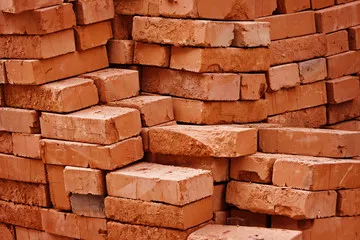
Clay bricks
Clay bricks have stood the test of time. Their warmth in colour and texture adds character to any building. They are made by moulding clay, then drying and firing.
These bricks are known for durability. Resistant to weather and erosion, they ensure long-lasting structures. Visually appealing, they enhance both modern and historic designs.
Clay bricks offer a range of colours. This variety comes from differences in clay used and the firing process. Their unique look has timeless appeal.
Concrete bricks
Concrete bricks bring a modern touch to construction. Made from cement and aggregates, they are known for their strength. They stand up to harsh environments, offering reliable performance.
Their use is extensive in urban development. From high-rises to infrastructure, their role is vital. Concrete bricks are often chosen where uniformity and performance matter.
This brick type can be crafted into various shapes. They can match specific design needs, offering versatility in construction.
Fly ash bricks
Fly ash bricks symbolise eco-friendliness in building. They use waste from power plants, turning it into a useful product. This process reduces pollution and conserves resources. Lightweight yet strong, they provide good insulation. Their usage helps in reducing energy costs and improving environmental efficiency.
Fly ash bricks are typically uniform in size. This uniformity aids in faster construction and less mortar use. They offer a seamless finish.
Sand-lime bricks
Sand-lime bricks are distinct for their appearance. Created from a mix of sand and lime, they offer a smooth, even finish. This blend results in a whitish colour, setting them apart from clay bricks.
These bricks have excellent acoustic properties. They help in soundproofing, useful in busy urban areas. Their uniformity ensures aesthetic appeal in construction projects. Sand-lime bricks are also favoured for facades and decorative walls.
Engineering bricks
Engineering bricks are a powerhouse of strength. Ideal for heavy-duty construction, they resist moisture and chemicals. Their toughness makes them perfect for foundation work.
These bricks excel in load-bearing structures. Their density improves durability in demanding conditions. Used often in civil engineering, they provide critical support.
They are typically found in blues or reds. The firing process results in their distinct colours and enhanced durability.
Fire bricks (Refractory bricks)
Fire bricks resist extreme temperatures. They're crucial in high-heat environments like kilns, furnaces, and fireplaces. These bricks protect structures from heat damage.
High alumina content gives them their resilience. This makes them effective at retaining heat and resisting thermal stress. Fire bricks safeguard against the hazards of high temperatures.
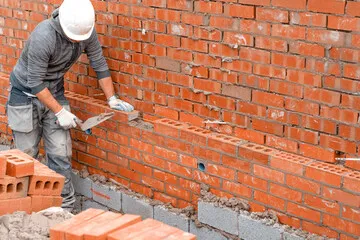
Brick forms and their uses
Bricks come in varied forms, each suited for specific tasks. These forms determine their application in construction. The main forms include solid, perforated, and hollow bricks.
- Solid bricks: Strong and durable
- Perforated bricks: Lightweight with insulation benefits
- Hollow bricks: Effective for thermal efficiency
Solid bricks are essential for load-bearing walls, offering robustness. They provide structural support where strength is necessary.
Perforated bricks have holes that reduce weight and improve insulation. They're used in non-load-bearing walls or structures needing less mass.
Hollow bricks offer thermal efficiency, creating energy savings. Their lightness makes them easy to handle, ideal for upper floors.
Solid bricks
Solid bricks are the backbone of load-bearing walls. They provide the needed strength and stability in building foundations.
This form of brick is dense and heavy, built to withstand pressure. Its durability ensures lasting support in various structural applications.
Perforated bricks
Perforated bricks are known for their unique design. The holes within them reduce overall weight and offer extra insulation.
These bricks are perfect for walls that don't bear a lot of load. They contribute to energy efficiency by minimising heat transfer.
Hollow bricks
Hollow bricks shine in insulation. Their design features voids that trap air, resulting in better thermal efficiency.
Light and easy to manage, hollow bricks reduce construction time. They're often used in non-load-bearing walls, particularly in residential builds.
Brick designs and styles
Brick designs and styles add unique visual appeal to structures. They offer a range of textures, colours, and finishes that transform a building's look. The choice of brick style depends on aesthetic goals and architectural requirements.
Brick styles vary greatly, from modern and sleek to rustic and classic. Options include smooth or textured finishes, and colours span from vibrant reds to subtle creams.
- Running bond: Simple yet classic
- Herringbone: Intricate and eye-catching
- Basket weave: Timeless charm
Modern brick designs often incorporate mixed materials or varied orientations. This adds depth and interest to façades, enhancing contemporary aesthetics.
Brick styles not only enrich a building's appearance but also reflect personal taste. Selecting the right style requires considering both design vision and functional needs.
Different types of bricks for houses
Choosing bricks for houses involves more than just aesthetics. It's vital to consider each type's function and benefits. Various brick types cater to different architectural and climatic needs, ensuring durability and appeal.
- Modular Bricks: Standard size, cost-effective
- Non-Modular Bricks: Versatile, custom projects
- Hollow Bricks: Lightweight, energy-efficient
Where to look for different types of bricks
Finding the right bricks for your project can be daunting. Start by visiting local suppliers who offer a wide range of options. They often provide samples and expert guidance to help you decide.
Online retailers are another great resource. They offer a broad selection of brick designs, sometimes at lower prices. Always check reviews and shipping policies before purchasing.
Consider specialty stores for unique or custom bricks. These stores provide rare brick styles and specialised advice for specific projects.
- Local suppliers: Samples, in-person advice
- Online retailers: Wide selection, competitive prices
- Specialty stores: Unique options, expert insights
Choosing the right brick for your project
Selecting the right brick involves several factors. The climate in your area plays a crucial role. Some bricks withstand moisture better, while others resist extreme temperatures.
Budget constraints often dictate your choices. While clay bricks are traditional, they may cost more than concrete options. Consider whether the aesthetic appeal justifies the additional expense.
Lastly, think about the look you want to achieve. Brick styles vary from rustic to modern, each offering unique visual appeal. Choose a style that complements your building design.
- Climate considerations: Moisture resistance, temperature endurance
- Budget constraints: Cost differences, value for money
- Aesthetic preferences: Rustic vs. modern styles
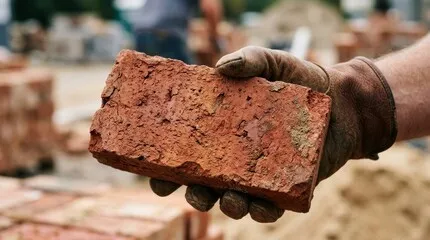
Brick maintenance and sustainability
Proper maintenance extends a brick structure's lifespan. Regular cleaning prevents dirt buildup. Also, repointing mortar joints ensures stability and longevity.
Bricks are environmentally friendly. Made from natural materials, they often derive from local sources. This reduces transport emissions and supports local economies.
Sustainability extends beyond production. Old bricks are recyclable, suitable for new projects or landscaping. This minimises landfill waste and maximises reuse.
- Cleaning: Regular upkeep prevents buildup
- Repointing: Maintains strength and integrity
- Recycling: Reuse in new builds or landscaping
Choosing bricks involves considering climate, budget, and aesthetic needs. Each type offers unique benefits that can be matched to specific project goals.
Embrace the versatility of bricks. From traditional clay to innovative smart bricks, they offer durability and visual appeal that stands the test of time.
If you have any more questions about how to choose bricks, or you just need some additional information about the products we sell at Howarth, please visit your local Howarth branch or contact our customer services on 01472 907051.
Recent Posts
-
Flat roof coverings compared: felt, EPDM, GRP and liquid roofing
In the UK, the most common flat roof coverings are EPDM rubber roofing, GRP fibreglass, torch-on fel
-
What is roof flashing?
Roof flashing is a thin, weather-resistant material installed at roof junctions and other vulnerable