
Internal Wall Insulation Explained
A lot of UK properties, particularly those built before the 1920s, have solid walls rather than cavity walls. And while these buildings often have plenty of character, they can lose a significant amount of heat through external walls.
Therefore, by installing internal wall insulation, it can improve energy efficiency, reduce heating costs, and make your home more comfortable all year round.
In this Howarth Timber article, we'll explain what internal wall insulation is, how it works, the materials available, and the best methods for insulating different types of walls!
What is internal wall insulation?
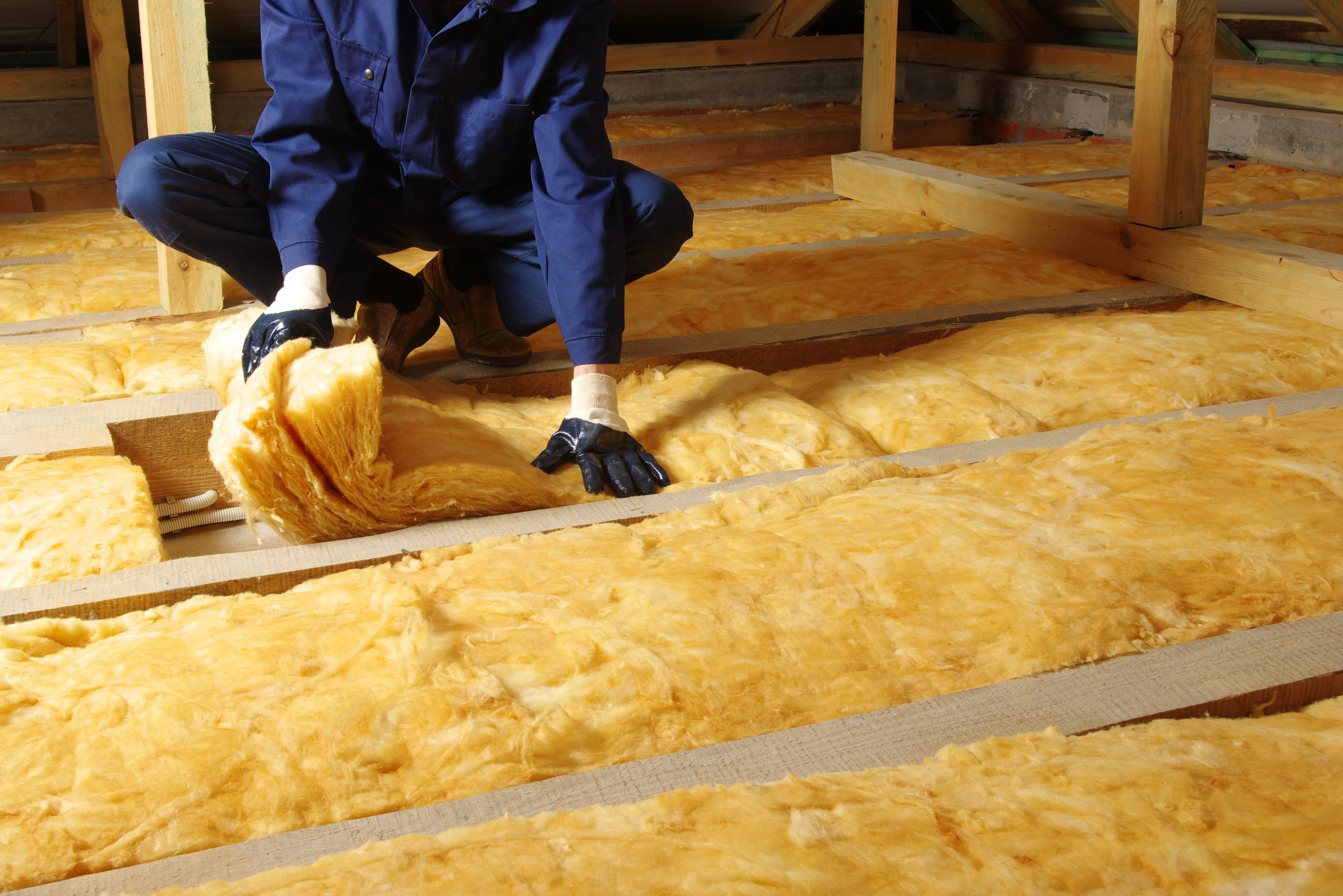
Internal wall insulation involves adding insulating materials to the inside surface of external walls to reduce heat loss.
So instead of insulating the outside of the building, insulation is installed internally - making it a popular choice for properties where external appearance needs to be protected.
Benefits of internal wall insulation include:
- Lower energy bills
- Improved thermal comfort
- Reduced heat loss
- Better sound insulation
- Improved EPC ratings
- Reduced carbon emissions
Why is internal wall insulation so important?
According to energy efficiency studies, uninsulated solid walls can account for around a third of a home's heat loss. By installing internal wall insulation for solid walls, you can significantly reduce this energy waste.
The insulation creates a thermal barrier that slows heat transfer through the wall structure, helping rooms stay warmer during winter and cooler during summer!
Internal solid wall insulation options
When considering internal solid wall insulation, there are two main installation methods:
Insulated plasterboard
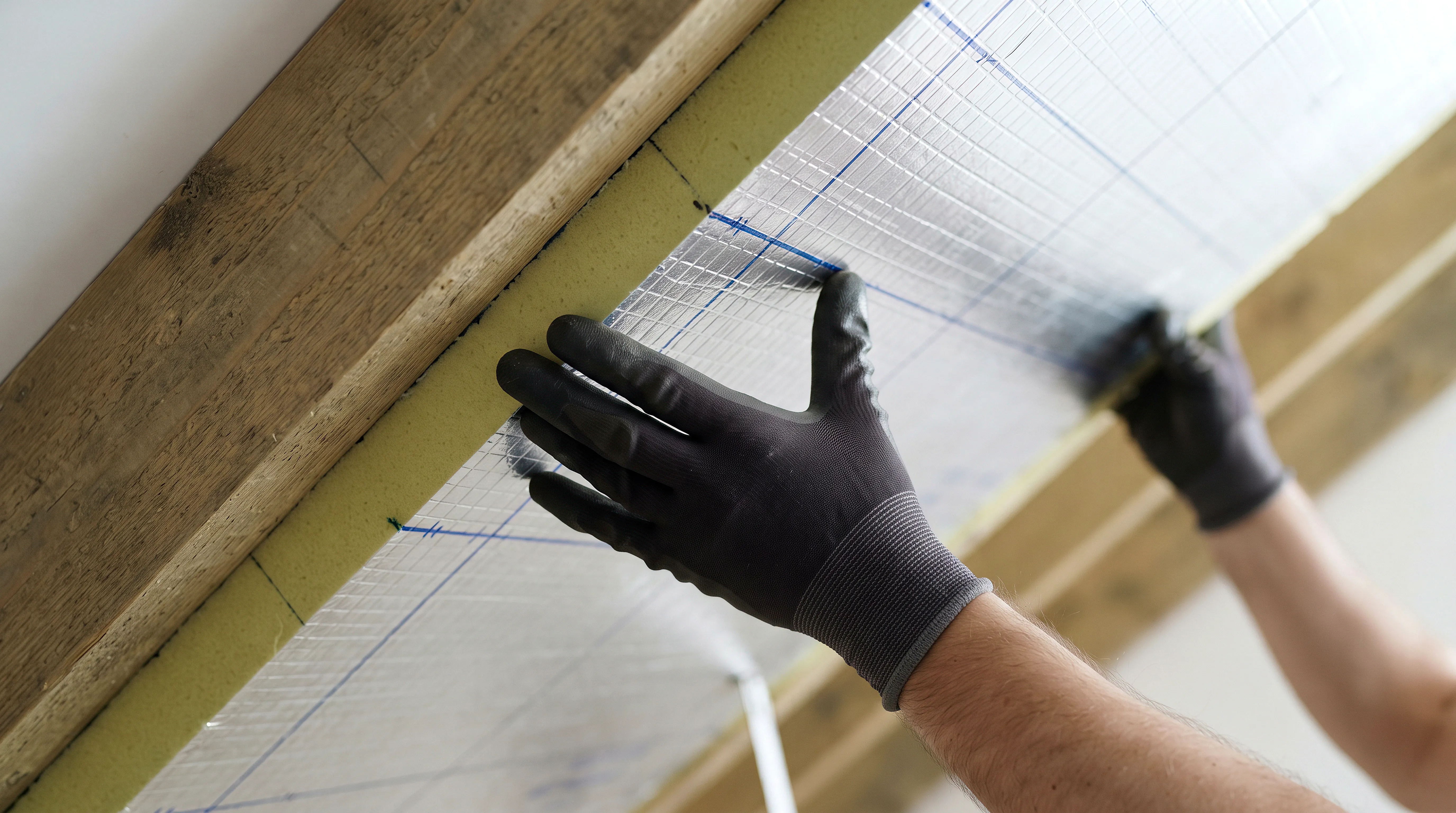
This is one of the most common approaches for insulating internal walls. Insulated plasterboard combines plasterboard with a bonded insulation layer, allowing walls to be insulated and finished in a single installation.
Advantages include:
- Quick installation
- Minimal disruption
- Smooth decorative finish
- Suitable for most solid wall properties
Stud wall systems
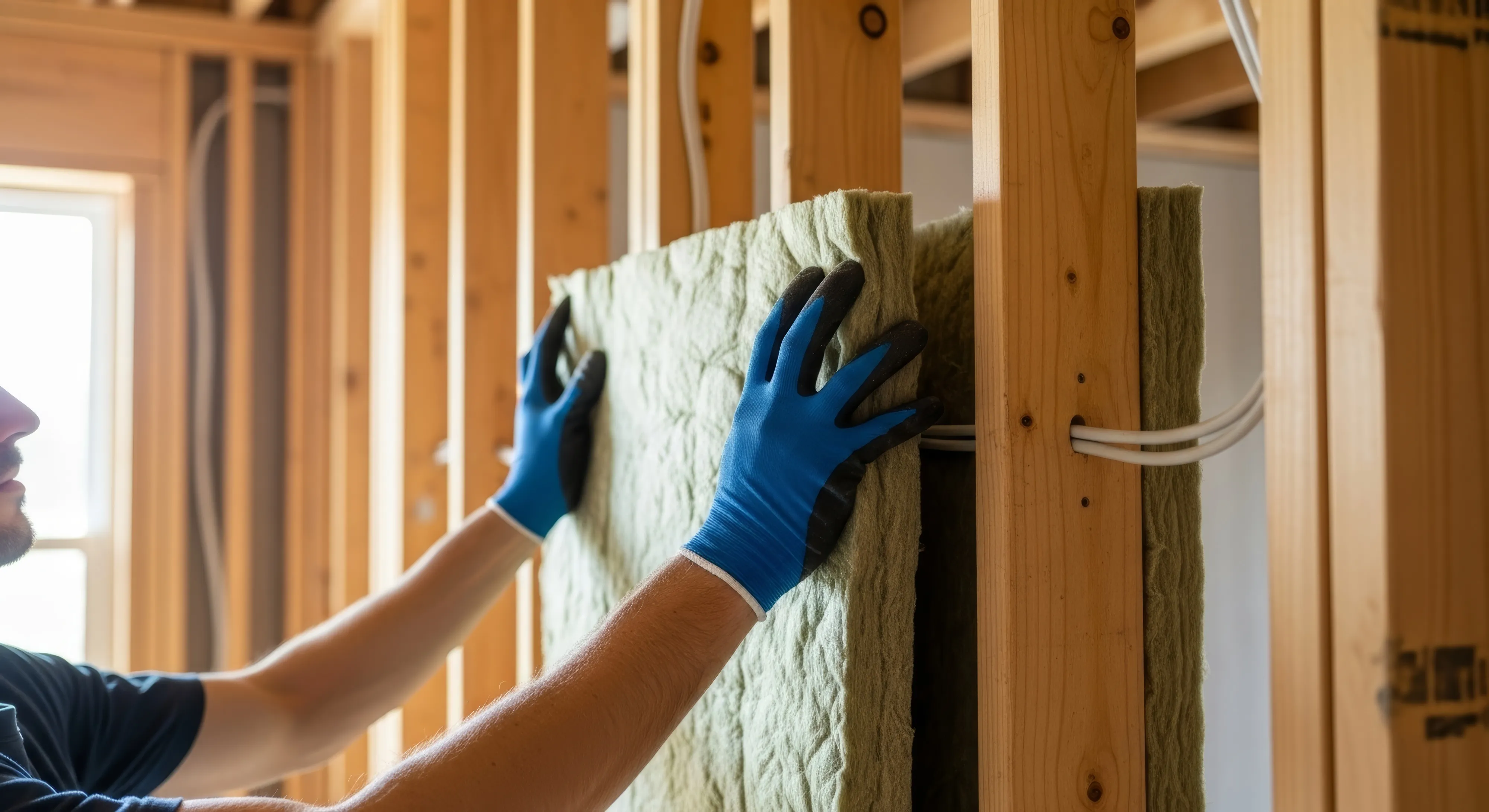
A timber or metal frame is fixed to the wall and filled with insulation before plasterboard is installed over the top.
Advantages include:
- Can achieve higher insulation values
- Ideal for uneven walls
- Allows services such as wiring to be concealed
- Suitable for larger renovation projects
Internal wall insulation boards explained
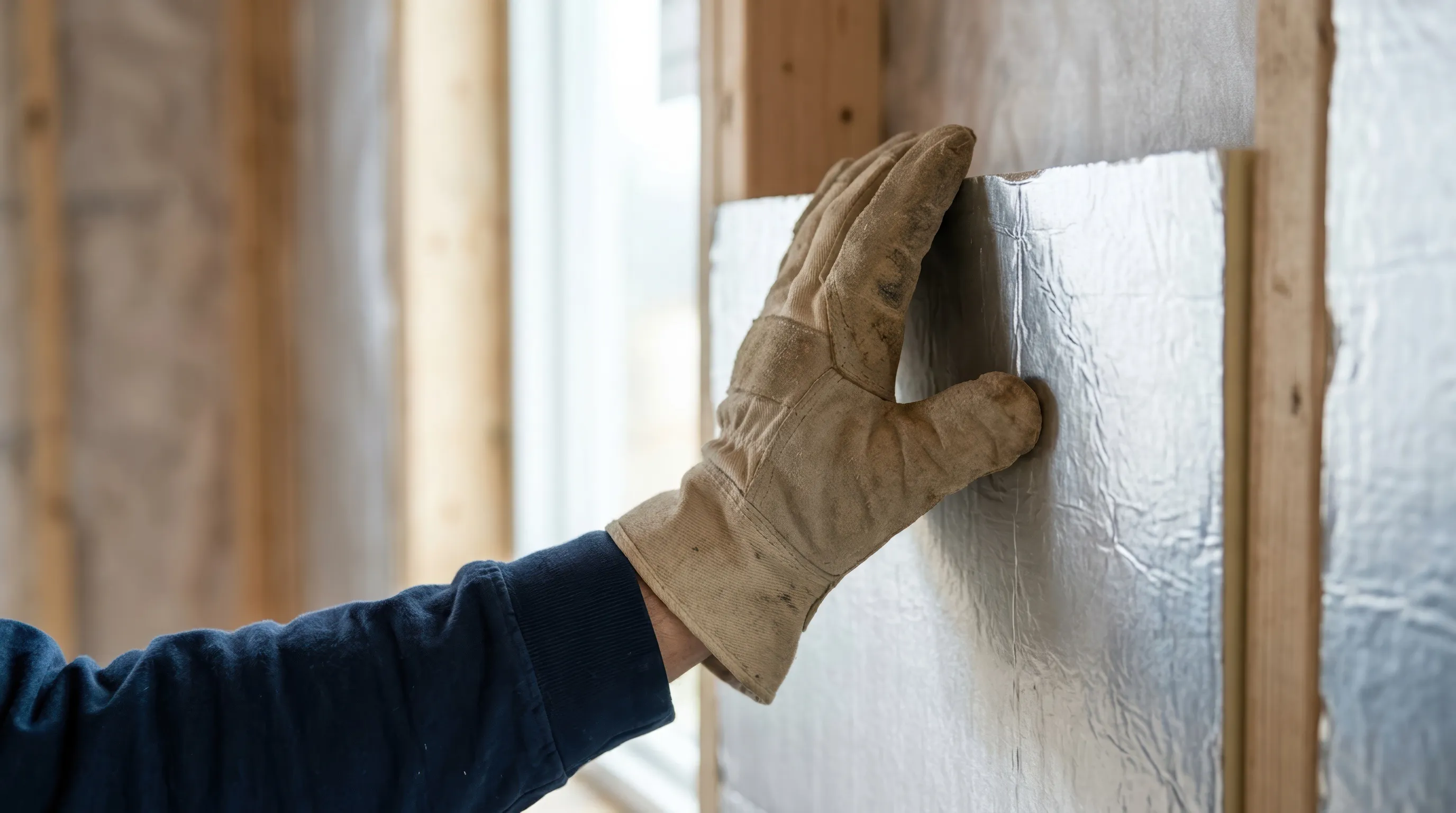
One of the most popular solutions for modern insulation projects is the use of internal wall insulation boards.
These boards are produced from various insulating materials, including:
PIR Insulation Boards
Polyisocyanurate (PIR) boards offer excellent thermal performance while maintaining a slim profile.
Benefits include:
- High insulation value
- Moisture resistance
- Space-saving thickness
- Easy installation
Phenolic boards
Phenolic insulation provides some of the best thermal performance available.
Benefits include:
- Exceptional thermal efficiency
- Reduced wall build-up
- Suitable where space is limited
Mineral wool boards
Mineral wool boards offer both thermal and acoustic insulation.
Benefits include:
- Non-combustible properties
- Excellent sound reduction
- Breathable structure
Many people searching for internal insulation boards for walls choose rigid PIR boards because they deliver strong thermal performance without significantly compensating on room space.
How to insulate internal walls
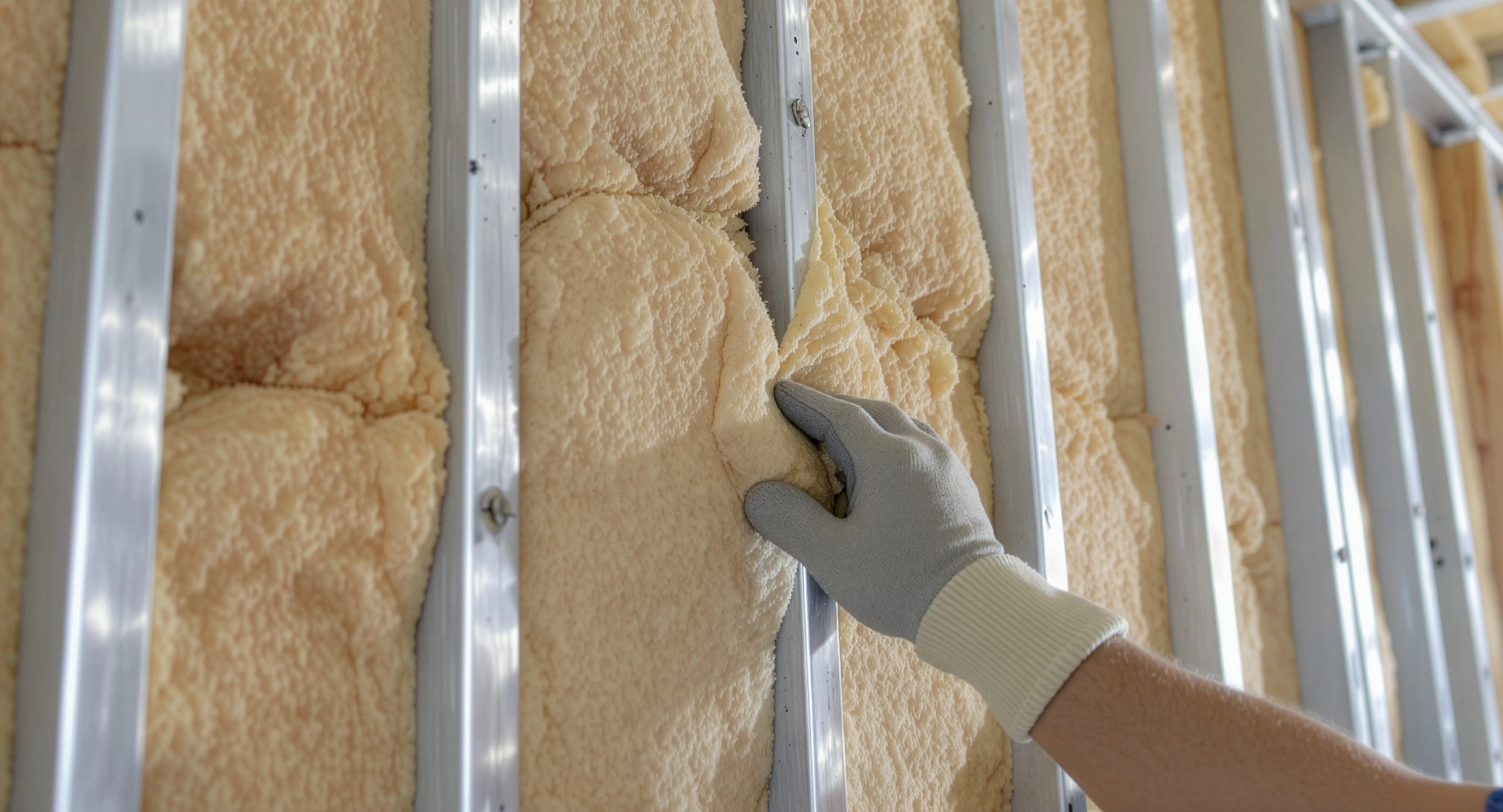
If you're wondering how to insulate internal walls, just follow these simple steps:
1. Assess the existing wall
Check the condition of the wall before installation. Look out for damp issues, cracks, loose plaster, and signs of water ingress.
Any defects should be repaired before insulation is installed.
2. Choose an insulation system
Select the most suitable insulation product based on wall construction, available space, and any budget you have.
3. Install the insulation
Depending on the chosen system, installers may:
- Bond insulated plasterboard directly to the wall
- Fix insulation boards mechanically
- Construct a timber or metal stud frame
4. Seal gaps and junctions
Proper sealing helps prevent thermal bridging and improves overall insulation performance.
5. Finish the surface
The wall can then be plastered, taped and jointed, or decorated as required!
Internal wall insulation for solid walls
Many homeowners specifically need internal wall insulation for solid walls because cavity insulation is not an option.
So, for traditional stone or brick buildings, breathable insulation systems may be recommended to help control moisture movement and reduce condensation risk.
Suitable products can include:
- Wood fibre boards
- Mineral wool insulation
- Breathable insulating plasters
- Insulated plasterboard systems
However, Howarth Timber recommends consulting a qualified installer to help determine the most appropriate solution for your property.
What is the cheapest way to insulate internal walls?
When researching the cheapest way to insulate internal walls, it's incredibly important to balance installation costs against long-term energy savings.
Generally, the most cost-effective options include:
Insulated plasterboard
Often among the most affordable routes for insulating external walls internally due to straightforward installation and reduced labour costs.
Timber stud and mineral wool systems
Can provide a lower-cost material option for renovation projects where wall finishes are already being removed.
Although lower-cost systems can reduce upfront spending, investing in a higher-performing insulation solution may produce greater energy savings over the life of the property (which we at Howarth Timber strongly recommend!)
Can you install internal wall insulation yourself?
Experienced DIYers may be able to install certain internal wall insulation boards, particularly insulated plasterboard systems. However, achieving proper airtightness, moisture control, and thermal stability can be very challenging.
For larger projects or older properties with solid walls, professional installation is often recommended to ensure long-term performance.
Whether you're renovating a Victorian terrace, upgrading an older stone cottage, or looking to improve your home's energy efficiency, internal wall insulation can make a significant difference to comfort and heat retention!
By selecting the right materials and installation method, homeowners can reduce energy consumption, improve living conditions, and enjoy long-term savings on heating costs.
If you have any questions regarding internal wall insulation or are just in need of some additional information about the products we sell at Howarth Timber, please visit your local Howarth Timber branch, or contact our customer services on the number 01472 907051.
You can also explore our range of insulation products here, and can even visit us in branch for more information!
Recent Posts
-
Internal Wall Insulation Explained
A lot of UK properties, particularly those built before the 1920s, have solid walls rather than cavi
-
Cladding: An Installation Guide
Timber cladding is one of the most effective ways to improve the appearance and performance of a bui